
Italian pasta is one of those dishes that seems simple but there’s actually a lot happening. You’ve got the pasta, you’ve got the sauce, and you’ve got fresh basil at the end that somehow makes everything taste better. Get it right and you’ve got food that tastes like you spent hours on it. Get it wrong and you’ve got overcooked noodles and watery sauce.
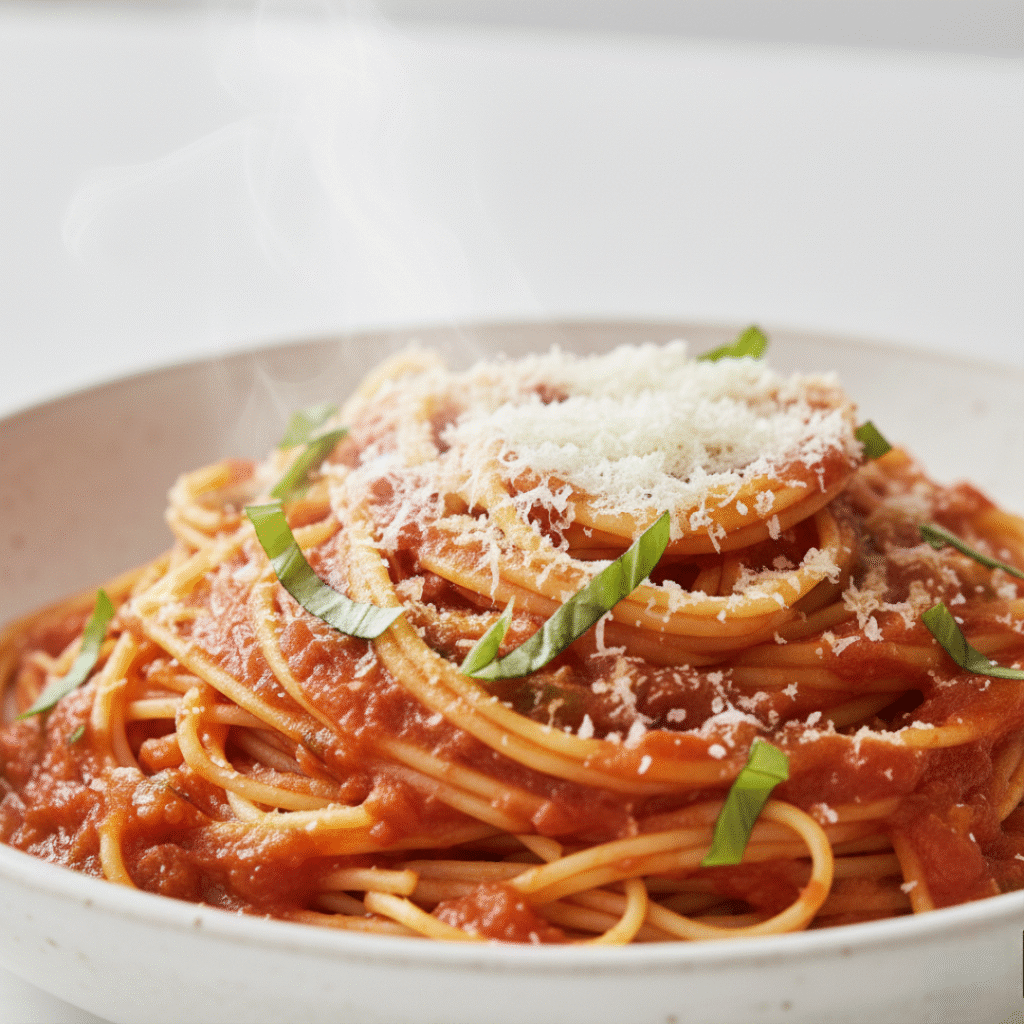
The thing about Italian pasta is it’s not actually complicated. It’s just about understanding a few fundamentals and then building on those. Fresh basil is key. Good sauce is key. Properly cooked pasta is key. Put those together and you’ve got something that tastes authentic and honestly restaurant quality.
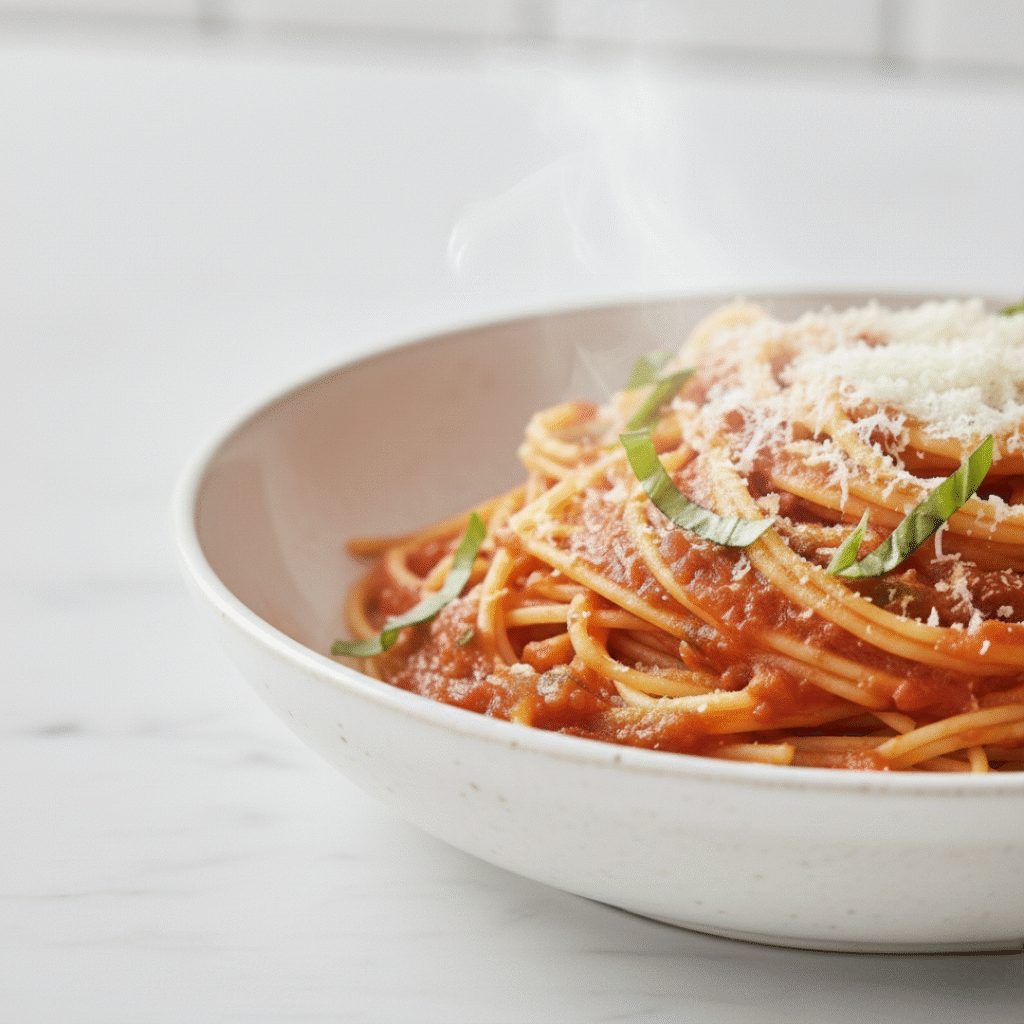
This guide walks through seven different ways to approach making perfect Italian pasta with basil. Some are more traditional. Some are modern variations. But all of them work because they’re built on solid technique and quality ingredients. Once you understand these approaches, you’ll be making pasta that people actually get excited about.
Different Italian Pasta Recipes You Should Know
Before we get into the seven ways, there’s honestly a bunch of different Italian pasta recipes worth trying. Like classic marinara which is just tomato sauce and basil. Then there’s pasta carbonara which is eggs and cheese. Pasta aglio e olio is garlic and oil. Pasta alle vongole is clams. Pesto pasta is basil based. Pasta with pancetta and tomato. Creamy tomato pasta. Seafood pasta. Bolognese which is meat sauce. Arrabiata which is spicy. Each one uses basil differently but they’re all fundamentally Italian.
Understanding the Seven Different Approaches
Making perfect Italian pasta with basil comes down to understanding different techniques and flavor profiles. Each approach has its own logic and when you get them down, you start understanding how Italian cooking actually works.
The Classic Marinara Method is the foundation. Tomato sauce, garlic, basil at the end. Simple but needs proper technique to work. The Fresh Tomato Approach uses fresh tomatoes instead of canned. Different flavor, fresher taste. The Cream-Based Version adds cream to the tomato for richness. The Oil-Based Technique is when you build flavor through infused oil and garlic. The Herb-Forward Method uses basil throughout the cooking, not just at the end. The Minimalist Approach strips everything down to basics. The Layered Flavor Method builds complexity by cooking different ingredients at different times.
Each of these produces different results. Understanding all seven means you can make pasta that matches whatever you’re feeling that day.
Try these Recipes also:
What You Actually Need to Get Started
Let’s talk ingredients because this is where good Italian pasta comes from.
For the pasta itself, get 400 grams of good quality pasta. Use whatever shape you like but thinner pastas work better with lighter sauces and thicker shapes work with heavier sauces. Have salt for your pasta water.
For the sauce base, get 800 grams of canned tomatoes or 1 kilogram of fresh tomatoes if they’re in season. Get 5 cloves of fresh garlic minced. You need 100 milliliters of good olive oil. Don’t use cheap oil. It makes a difference. Have 1 teaspoon of salt and 1/2 teaspoon of black pepper.
The basil part is crucial. Get a big bunch of fresh basil. Like seriously fresh. The fresher the better. If you can only get old basil, honestly it’s not worth it.
Optional additions depending on which method you use: 200 milliliters of heavy cream if you want the creamy version. 50 grams of fresh mozzarella or Parmesan. 1 tablespoon of sugar to balance acidity if needed. 1 teaspoon of red pepper flakes if you want heat.
The Seven Ways Explained
Method 1: Classic Marinara with Fresh Basil
This is the traditional approach. Heat your oil with garlic until fragrant. Add your tomatoes and let them simmer. Season properly. Tear fresh basil and add it right at the end. The basil stays fresh and bright. The sauce is simple but deep. This works best when you don’t overthink it. The tomatoes and garlic and basil do the work.
Method 2: Fresh Tomato Approach
If you’ve got good fresh tomatoes, use them. Blanch them to remove the skin, dice them, and use them instead of canned. Cook them down less. The sauce stays fresher and lighter. Basil at the end again. This is what you make in summer when tomatoes are perfect.
Method 3: Cream-Based Rich Version
Start with tomato sauce. When it’s cooked down a bit, add heavy cream. The cream mellows the tomato and makes everything richer. Basil goes in at the end. This is heavier than marinara but still feels Italian. Works great with wider pasta shapes.
Method 4: Oil-Based Infusion Method
Pour your best olive oil into a pan with sliced garlic. Let it warm slowly so the garlic infuses into the oil. Add tomatoes. The oil carries so much flavor because it’s been infused with garlic. Basil gets torn in at the end. This is probably the most Italian approach because it respects the ingredient quality.
Method 5: Herb-Forward Layered Method
This is when you cook basil throughout instead of just at the end. Add some basil early so it infuses into the sauce. Add more at the end for freshness. The sauce gets more complex basil flavor. It’s like basil is woven through everything instead of being a garnish.
Method 6: Minimalist Pure Approach
Seriously, just tomato, garlic, oil, salt, and basil. Nothing else. This is Italian cooking at its core. Everything has to be perfect because there’s nowhere to hide. No cream, no sugar, no complicated technique. Just quality ingredients handled properly.
Method 7: Layered Complex Flavor Method
This is where you build flavor in stages. Start with oil and garlic. Add tomatoes. Let them cook. Add basil partway through. Cook longer. Add more basil at the end. The sauce gets complex because you’re building layers. This is more time-intensive but the flavor is serious.
Actually Making Perfect Italian Pasta with Basil
Get Your Water Boiling First
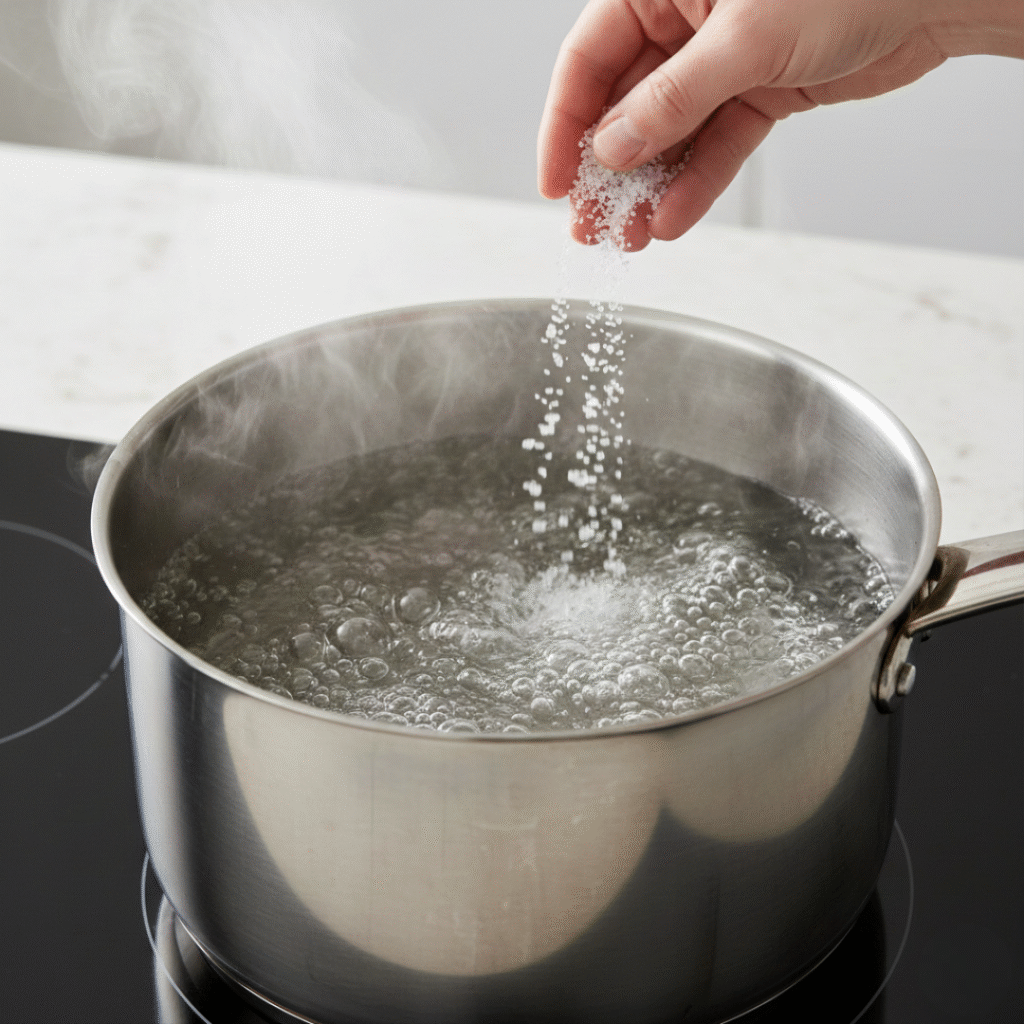
Fill a big pot with water. Add a good amount of salt. Like a handful. It should taste like seawater. Put it on high heat and let it come to a boil. This takes a few minutes so start this first.
Prepare Your Sauce Base
While your water’s heating, get your oil in a pan over medium heat. Add your minced garlic. Let it cook for about 1 minute until it smells amazing. Don’t let it brown. Burned garlic ruins everything.
Add Your Tomatoes
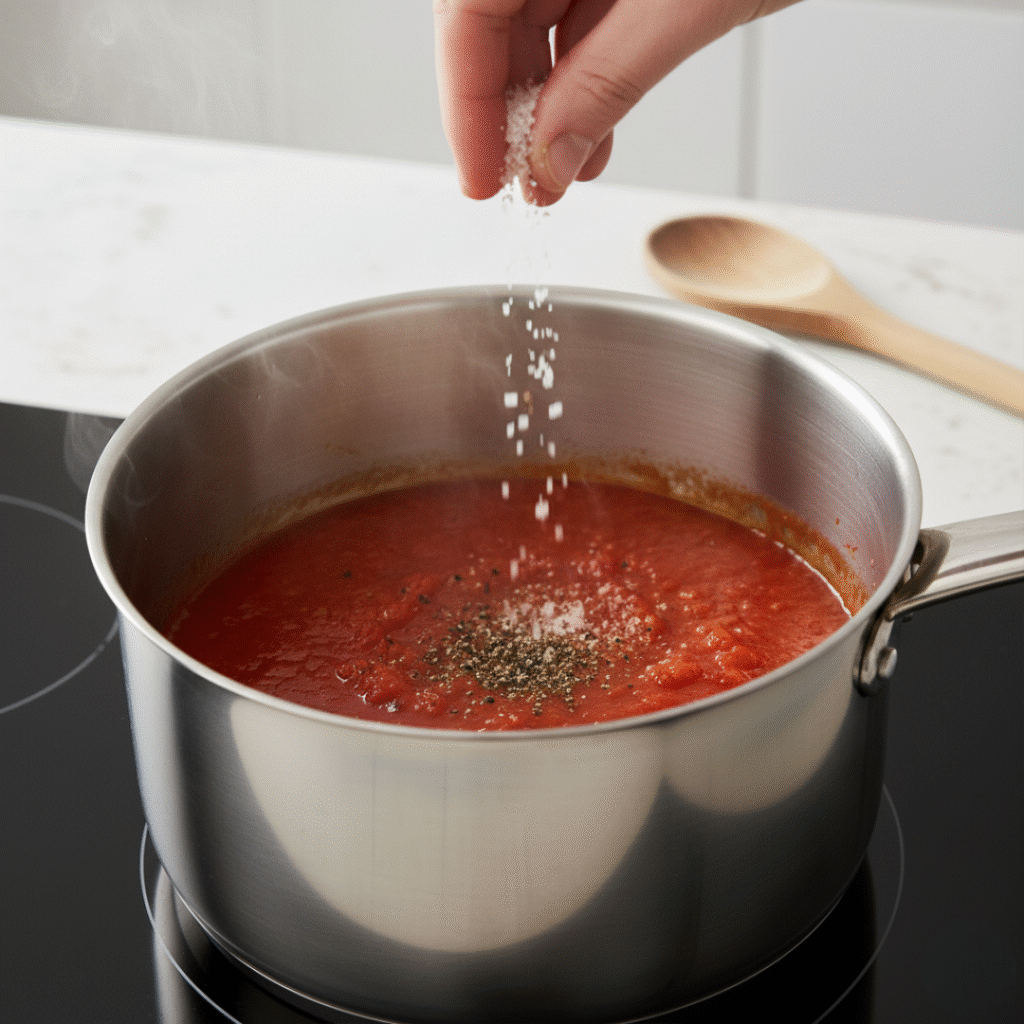
Pour in your tomatoes. If you’re using fresh, make sure they’re properly prepared. If you’re using canned, just dump them in. Add your salt and pepper. Let it simmer for about 15 to 20 minutes. You want the sauce to cook down a bit and thicken. Stir occasionally.
Cook Your Pasta
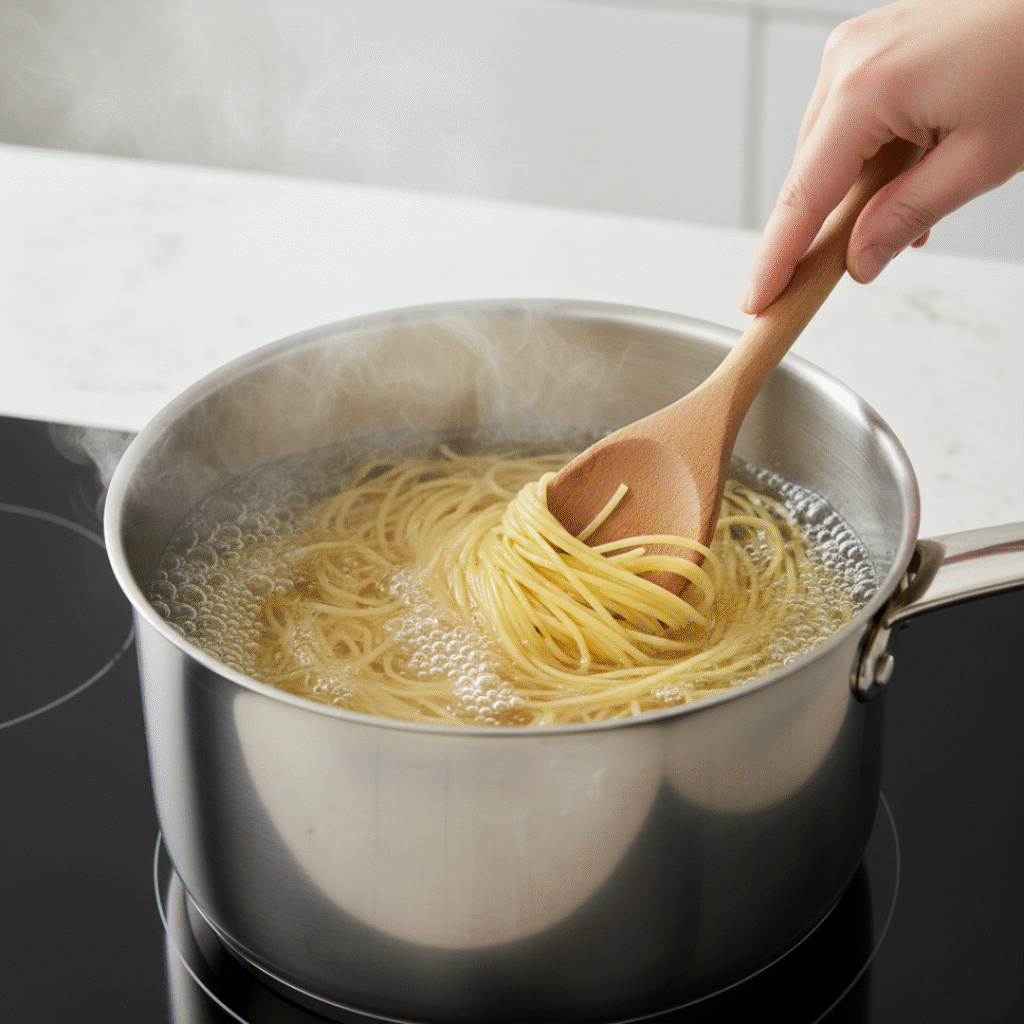
Your water should be boiling by now. Add your pasta. Stir it so it doesn’t stick together. Cook it until it’s al dente. That means soft but still with a little firmness when you bite it. Follow the package directions but taste it before it’s supposed to be done. You’re looking for that perfect point between soft and firm.
Build Your Sauce to Completion
Your sauce should be getting thicker. If you’re making the creamy version, this is when you add cream. Just pour it in and stir. Let it cook for another 2 to 3 minutes so everything comes together.
If you’re doing the herb-forward method, add some fresh basil now. Tear it up and stir it in. Let it cook for a minute or two.
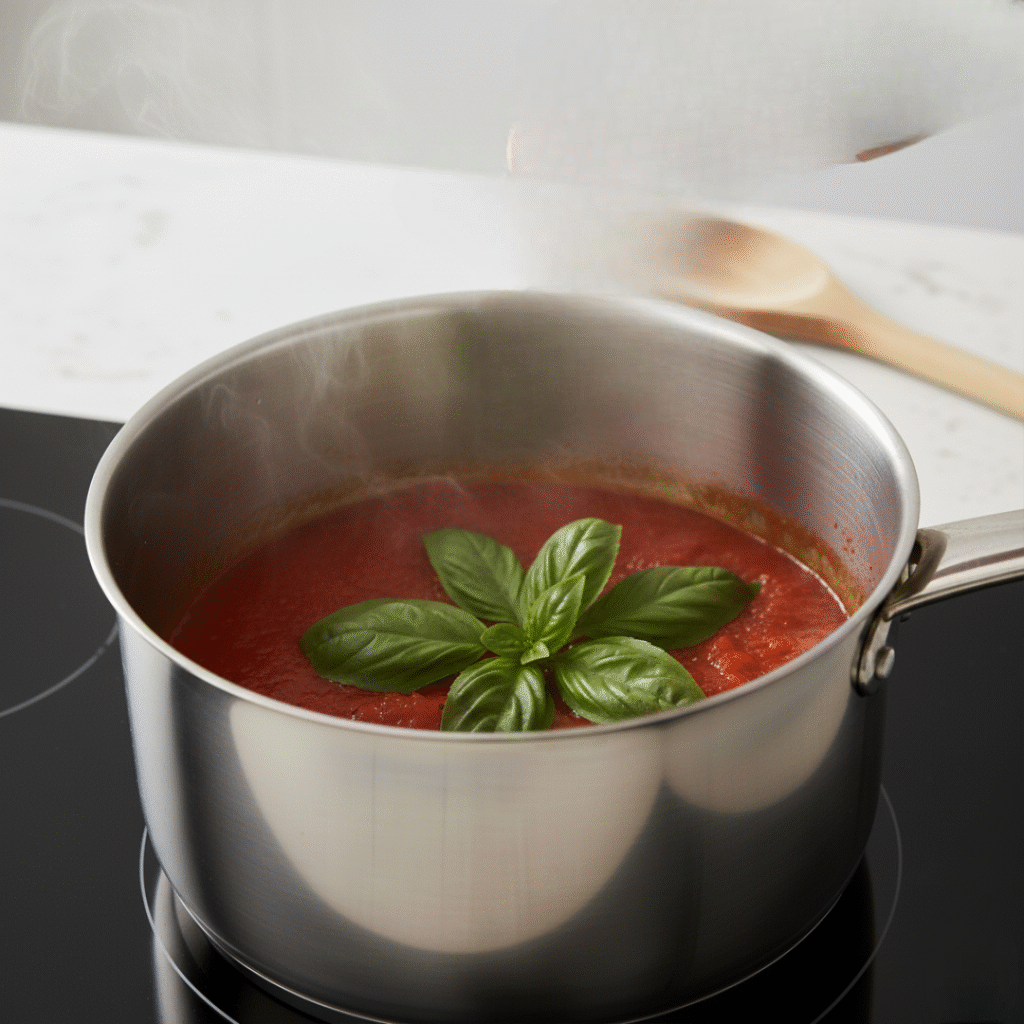
Taste your sauce. Add more salt if it needs it. Add more pepper. Add a tiny bit of sugar if the tomatoes are too acidic. Make it taste how you want it to taste.
Save Your Pasta Water
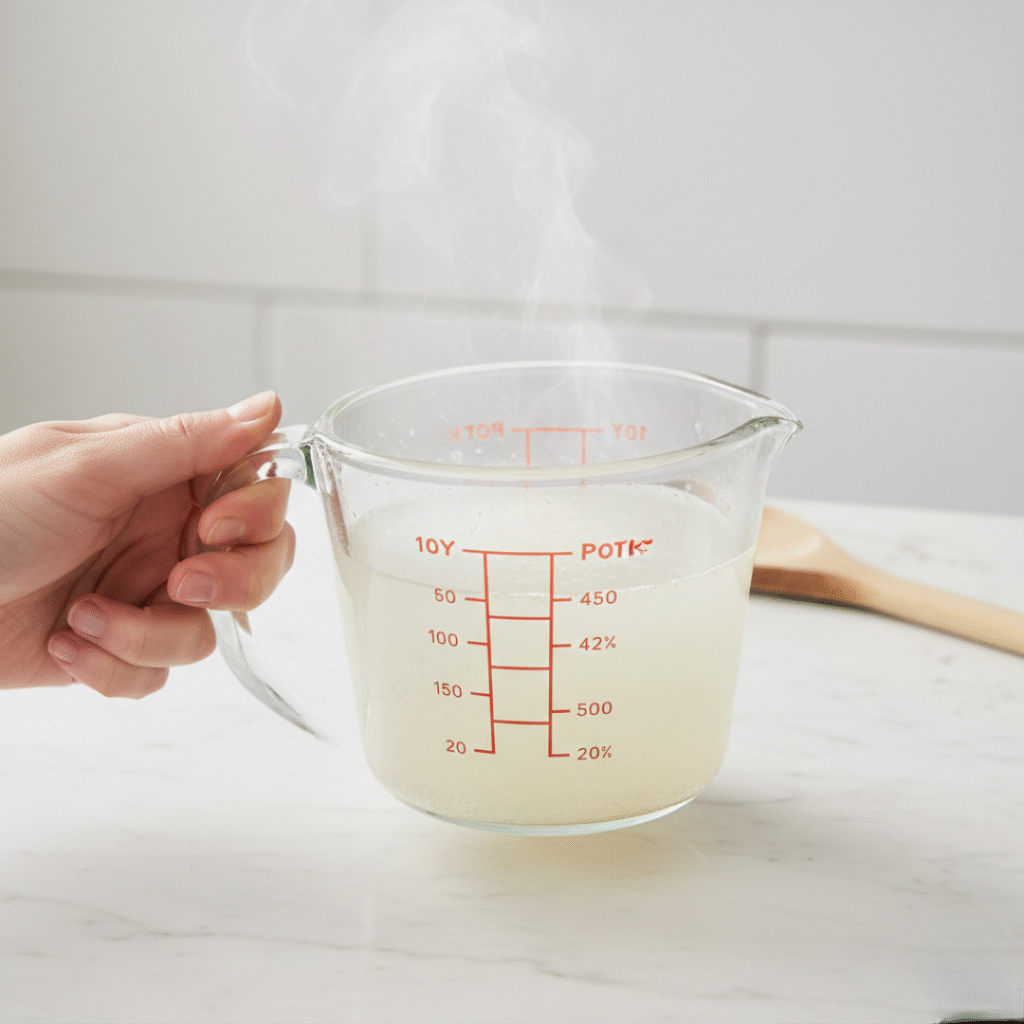
Before you drain your pasta, save about a cup of that starchy water.
This water is actually useful for adjusting your sauce consistency if needed.
Combine Pasta and Sauce
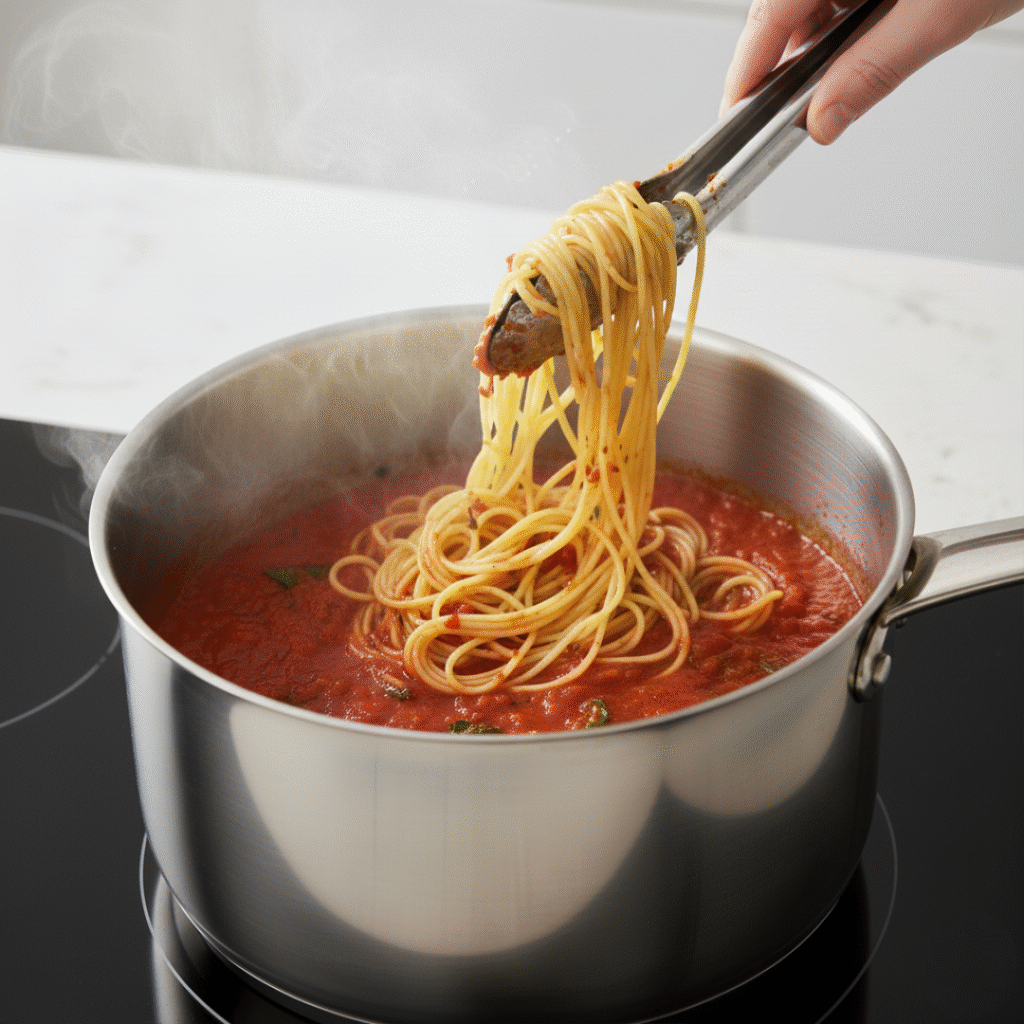
Add your drained pasta to your sauce. Toss it together so every strand gets coated. If your sauce looks too thick, add a splash of that pasta water. If it looks too thin, let it cook for another minute or two.
Finish with Fresh Basil
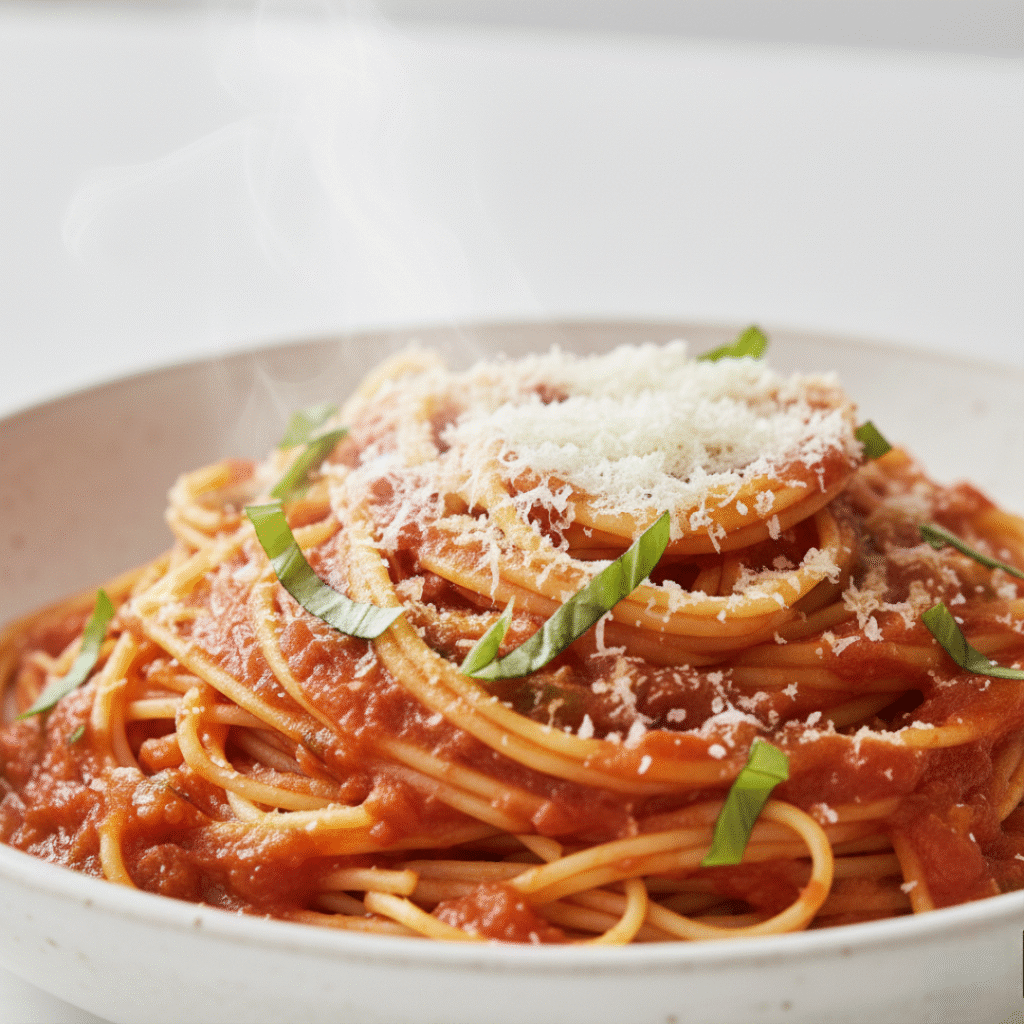
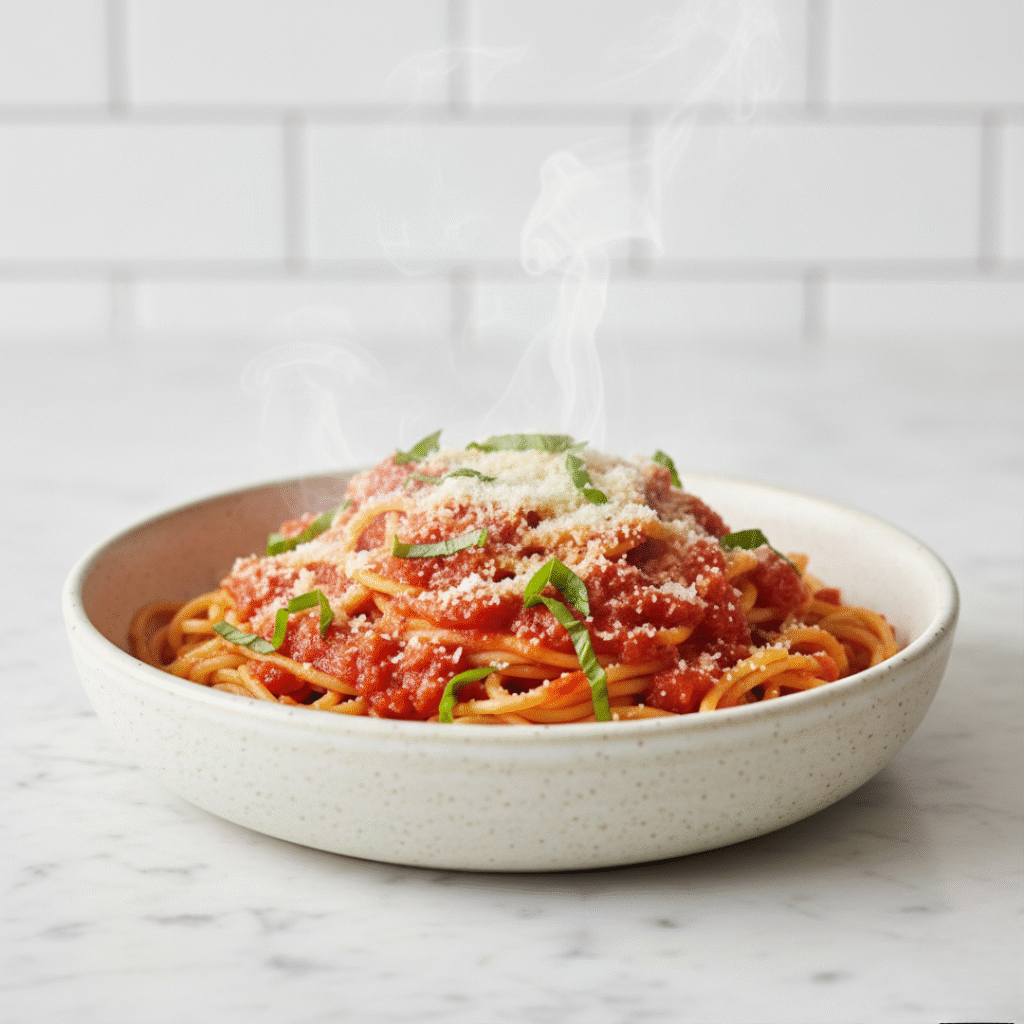
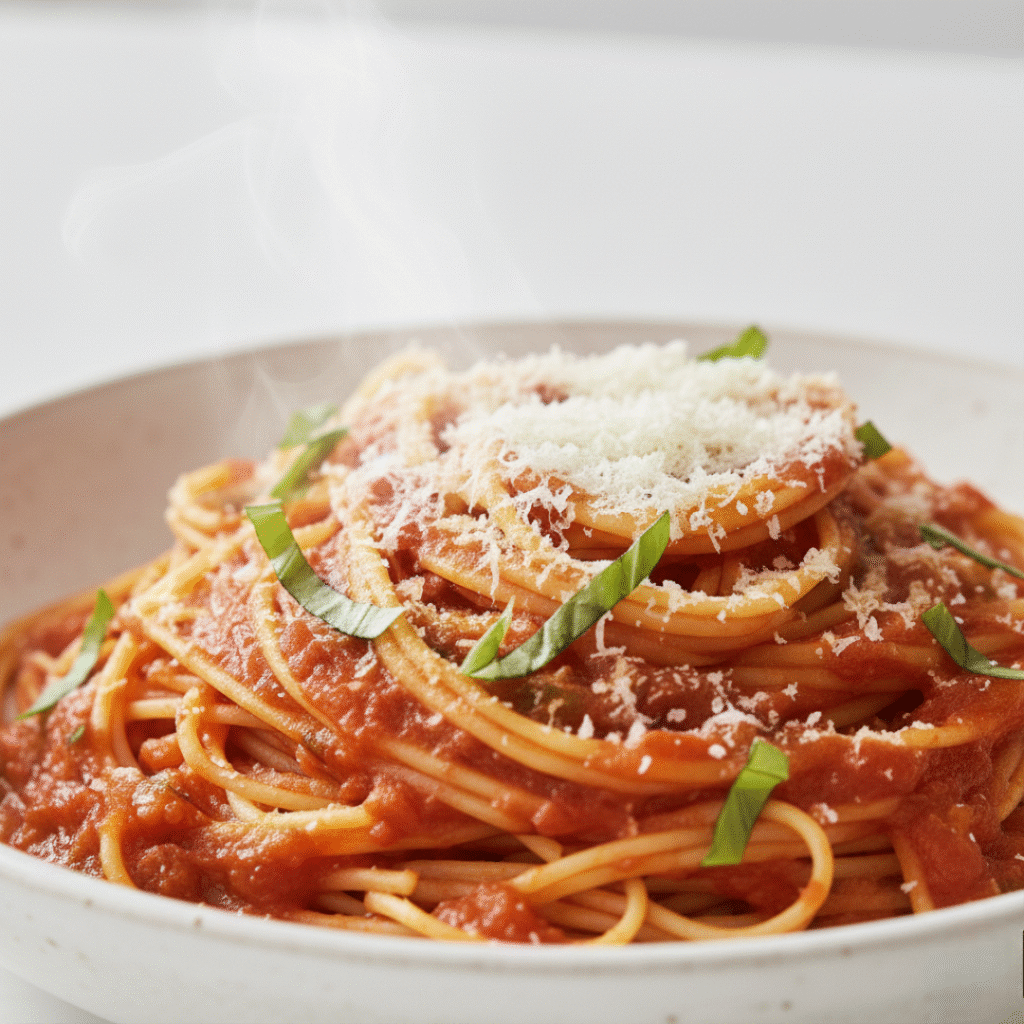
This is the key moment. Tear up fresh basil leaves and add them to the pasta. Don’t chop them—tear them. Chopping bruises the leaves and makes them taste bitter. Just tear and add.
Top with grated Parmesan if you want. Some Italians say you shouldn’t put cheese on tomato pasta, but honestly do what you like.
Serve It
Put it on plates or in bowls right away while everything is hot. Add more fresh basil on top. Serve immediately.
Stuff That Actually Matters
Don’t use old basil. Fresh basil is everything. If you can’t get good basil, honestly don’t make this dish. Wait until you can find good basil.
Tear basil, don’t chop it. Chopping releases oils that make the basil taste bitter. Just tear it with your hands.
Salt your pasta water properly. The pasta gets most of its seasoning from the water it cooks in. If you don’t salt it right, your pasta will be bland no matter what.
Use good olive oil. Cheap olive oil is cheap for a reason. It tastes bad. Spend a few extra dollars on decent oil. It makes a real difference.
7 Ways to Perfect Italian Pasta with Basil Garnish
Equipment
- 1 large pot (for pasta)
- 1 medium saucepan (for sauce)
- 1 cutting board
- 1 sharp knife
- Measuring cups and spoons
- Wooden spoon
- Colander or pasta strainer
- Tongs or pasta fork
- Serving bowls or plates
- Cheese grater (optional)
Ingredients
- 400 g quality pasta any shape you like
- 800 g canned tomatoes or 1kg fresh
- 5 cloves fresh garlic minced
- 100 ml good quality olive oil
- 1 tsp salt plus more for pasta water
- ½ tsp black pepper
- 1 big bunch fresh basil about 30-40 leaves
- Handful of salt for pasta water
- Grated Parmesan cheese optional
- 200 ml heavy cream optional, for creamy version
- 1 tbsp sugar optional, if tomatoes are too acidic
- Red pepper flakes optional, for heat
INSTRUCTIONS
- 1. Fill large pot with water three-quarters full. Add generous handful of salt. Bring to boil over high heat.
- 2. While water heats, pour olive oil into medium saucepan over medium heat. Add minced garlic and cook for 1 minute until fragrant (don't let it brown).
- 3. Add canned or fresh tomatoes to the pan. Add salt and black pepper. Stir well. Let simmer for 15-20 minutes, stirring occasionally. Sauce should thicken and cook down.
- 4. Add pasta to boiling water. Stir so noodles don't stick. Cook until al dente, following package directions but taste to check. Usually 8-12 minutes.
- 5. If making creamy version, add 200ml heavy cream to sauce now and let cook 2-3 minutes. Stir well to combine.
- 6. Taste sauce and adjust seasoning. Add more salt if needed. Add pinch of sugar if too acidic. Add red pepper flakes if you want heat.
- 7. Before draining pasta, save 1 cup of starchy pasta water. Drain pasta and add to sauce.
- 8. Toss pasta and sauce together so every strand gets coated. Add pasta water if sauce seems too thick.
- 9. Tear fresh basil leaves (don't chop) and add to pasta. Toss gently. Add grated Parmesan if desired.
- 10. Serve immediately in bowls while hot. Top with extra fresh basil leaves. Add more Parmesan if you like.
Don’t overcook your pasta. Al dente means soft outside but still with a slight firmness inside. Overcooked pasta is mushy and sad. Let your tomato sauce cook long enough to develop flavor. At least 15 minutes. The longer it cooks, the deeper the flavor gets.
Taste your sauce and adjust it. Don’t just follow the recipe. Your tomatoes might be different from someone else’s tomatoes. Make it taste right to you. Fresh garlic is better than garlic powder. Yeah it’s more work but the flavor difference is real. Don’t add cream to everything. Cream can cover up flavors instead of improving them. Sometimes simple is better.
Heat matters. Medium heat is usually right for sauce. High heat burns things. Low heat doesn’t develop flavor.
Ways to Switch Things Up
You can use different tomato products. San Marzano tomatoes are considered the best. Regular canned tomatoes work. Fresh tomatoes work in season. Tomato paste makes sauce richer and more concentrated.
Different herbs work besides basil. Oregano is Italian too. Thyme works. Even parsley works if that’s what you’ve got.
Add different proteins. Pancetta makes it meaty. Ground beef makes it Bolognese style. Anchovies add umami. Skip protein if you want it vegetarian.
Different shapes of pasta work. Spaghetti is classic. Penne has ridges that catch sauce. Linguine is thinner and more delicate. Farfalle is fancy. Pick whatever you like.
Garlic amounts can change. More garlic for garlic lovers. Less garlic for people who don’t like it as strong. Temperature can vary. Cold sauce on hot pasta. Hot sauce on hot pasta. Both work depending on what you want.
You can add vegetables. Zucchini works. Bell peppers work. Mushrooms work. Just dice them small and cook them in the sauce.
Spice level changes. Red pepper flakes for heat. Regular version for mild. No spice if people don’t like it. Richness varies. Cream for rich. Just oil for light. Butter for added richness. You could make pesto based pasta instead of tomato. Or mix both. Or use aglio e olio instead.
Questions People Ask
Why is my basil turning black?
You’re probably cooking it too long or chopping it instead of tearing it. Tear the basil at the end and don’t cook it. Just add it to hot pasta and it’s good.
Can I use dried basil?
Not really. Dried basil is nothing like fresh basil. If you don’t have fresh, make a different sauce. Dried basil tastes like straw.
How do I keep basil from wilting?
Don’t cook it. Add it at the very end when everything is already hot. The heat from the pasta will wilt it slightly but not turn it into mush.
Can I make this ahead?
You can make the sauce ahead. Keep it in the fridge for a few days. Cook fresh pasta when you’re ready to eat it. Add fresh basil after combining.
Is this gluten free?
Only if you use gluten-free pasta. The sauce is naturally gluten-free.
What if my sauce is too acidic?
Add a tiny pinch of sugar. Like really tiny. Just enough to balance the acidity. You’re not trying to make it sweet.
Should I add cheese?
That’s up to you. Italians debate this. Some say no cheese on tomato pasta. Some say always cheese. Do what you like.
Can I make it spicy?
Yeah add red pepper flakes. Start with 1/4 teaspoon and go from there.
What pasta shape is best?
Thinner pasta like spaghetti or linguine for lighter sauces. Thicker pasta like rigatoni or penne for heavier sauces. Marinara is good on anything.
How long should sauce cook?
At least 15 minutes. Longer is fine. The longer it cooks, the deeper the flavor. Up to 30 minutes is good.
Can I freeze this?
Yeah freeze the sauce. Keep it for up to 3 months. Reheat gently on the stove. Don’t freeze with pasta in it because pasta gets mushy.
What’s the best tomato brand?
San Marzano is considered best. But honestly any good quality canned tomato works. Try a few and see what you like.
Why does restaurant pasta taste different?
Usually better quality ingredients and not overthinking it. Good oil, good tomatoes, good basil, proper technique. That’s it.
Why You Should Make This
Making perfect Italian pasta with basil teaches you fundamentals about cooking. You learn about flavor development. You learn about ingredient quality mattering. You learn about respecting simple food.
This is the kind of dish that feels like a win every time you make it. You end up with something that tastes intentional and good. That’s a feeling worth chasing.
It’s also flexible enough that you can make it different ways. Seven different methods means seven different flavors. Once you understand the foundation, you can make whatever version matches what you’re feeling.
This is Italian cooking at its core. Simple ingredients, proper technique, fresh herbs. That’s all you need.
Leave a Comment