
People stopped making popcorn on the stove sometime in the ’80s when microwave packets showed up. And honestly that was stupid because microwave popcorn is more expensive, tastes worse, and has weird chemicals in the bag lining. But everyone forgot the stove method existed.
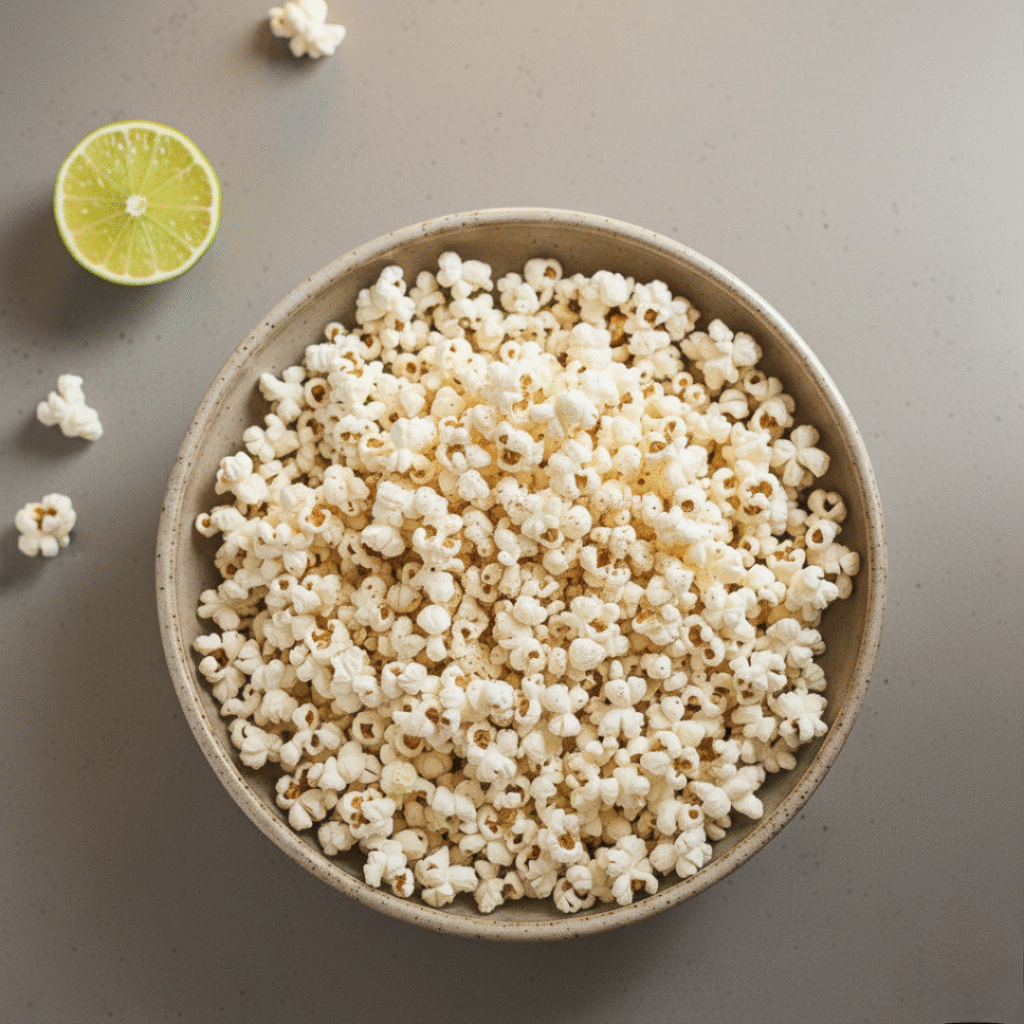
Now it’s coming back because people realized they were paying three dollars for a packet of popcorn that costs about ten cents to make at home. And tastes worse. And has diacetyl in it which is allegedly not great for your lungs.
So how to make popcorn on the stove became relevant again. Which is funny because it’s literally the simplest thing ever. Pot, heat, kernels, oil. That’s it.
The first time someone makes popcorn on the stove they think it’s going to be complicated. It’s not. It’s the opposite of complicated. It’s stupid easy. And it tastes amazing. And costs basically nothing.
Once that happens, people stop buying microwave packets. And they spend like five minutes on a Saturday making popcorn for the whole week. Which saves money and tastes better.
Note: Calorie counts in this guide are based on USDA data for standard popcorn kernels with typical oil amounts. Actual values vary by oil quantity, kernel type, and seasonings used.
What People Don’t Realize About Stovetop Popcorn
The biggest misconception is that it requires special equipment. It doesn’t. People think there’s some trick or special popcorn maker needed. Nope. Just a pot with a lid. Any pot. Any lid. That’s the equipment.
The other misconception is that it tastes worse than microwave or theater popcorn. It doesn’t. It tastes better. Because it’s just kernels and oil and heat. No weird butter flavoring molecules. No diacetyl. Just actual popcorn.
The third misconception is that it takes a long time. It takes five minutes. Seven if someone’s being slow about it. That’s not a commitment.
The fourth misconception is that it’s unhealthy. It can be super healthy actually. Just use a little oil and salt. That’s it. Theater popcorn is 800 calories of butter and salt. Homemade is like 40 calories if made right.
So basically all the reasons people don’t make popcorn on the stove are reasons that don’t actually exist. It’s actually perfect. Cheap, easy, fast, tasty, and healthy. And people still buy microwave packets.
The Ingredients Are Stupid Simple
This is where it gets funny because people think they need specialty ingredients. They don’t.
Popcorn kernels. That’s it. Any brand. The cheapest option is fine. A pound of kernels costs like a dollar and makes like twenty batches. It’s absurd how cheap they are.
Oil. Any oil. Coconut, vegetable, olive, whatever. Something with a decent smoke point is nice but not required. Most people have oil in their kitchen already.
Salt. Regular salt. Or skip it and add other seasonings.
That’s the ingredient list. Three things. And that’s only if adding salt. If using oil, it’s just kernels and oil basically.
Compare this to microwave popcorn which has like fifteen ingredients including diacetyl and artificial butter flavoring and whatever else is in those bags. Stovetop is literally just food.
Understanding The Nutritional Breakdown
Plain popcorn is actually one of the healthier snacks available. A cup of popped popcorn is like thirty or forty calories. That’s nothing. And it has fiber. And it’s a whole grain.
The problem is what people put on it. Movie theater drowns it in butter until it’s basically liquid fat. That’s how theater popcorn gets to be nine hundred calories.
Microwave popcorn is usually pretty heavily flavored with chemicals and has more calories than it should for what it is.
Homemade stovetop popcorn lets someone control everything. So it can be healthy or indulgent depending on what’s added.
Just kernels and minimal oil and salt is genuinely one of the healthiest snacks. Like legitimately good food. Not a diet food, just actually good food.
A batch made with like three tablespoons of oil and some salt is maybe one hundred and fifty calories total for the whole batch. Which feeds two or three people. So like fifty calories per person. That’s nothing.
And it fills people up because of the fiber and because it’s bulky. So people eat less of other stuff.
How To Make Popcorn On The Stove: Actually Doing It
So here’s the thing about making popcorn on the stove. It seems like there’s going to be a bunch of steps and tricks and special knowledge needed. There isn’t. It’s just simple steps that make sense once someone knows them.
Getting Everything Ready
Grab a pot with a lid. Medium to large pot. The pot needs to be big enough that when kernels pop, they’re not overflowing everywhere. A pot that’s like two or three quarts is perfect.
The lid needs to fit pretty snugly. If the lid is loose and doesn’t seal, kernels are going to be bouncing all over the stovetop instead of staying in the pot. So get a lid that actually fits the pot properly.
Have the lid sitting right there next to the stove ready to go. Because once things start happening, it moves fast and there’s no time to hunt for the lid.
Adding Oil To The Bottom
Pour about three tablespoons of oil into the bottom of the pot. This is the amount that usually works best for making popcorn on the stove successfully.
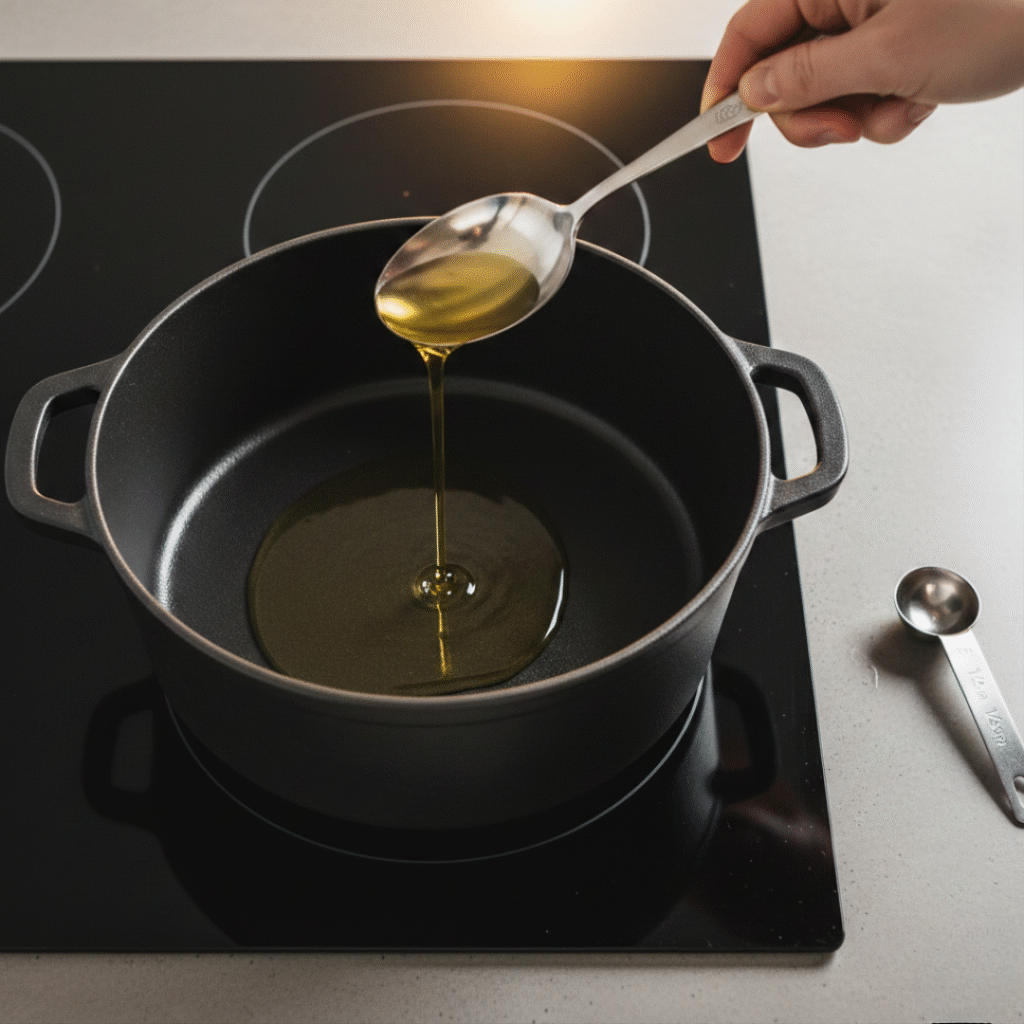
The oil needs to coat the bottom of the pot so the kernels can move around. Without oil, they just sit there and don’t pop. With too much oil, the popcorn gets greasy and kind of gross.
Three tablespoons is the sweet spot. It makes the kernels pop and makes them taste good without being oily.
Different people use different amounts but three tablespoons is a good starting point. After making a few batches, people figure out if they want more or less based on preference.
Adding Popcorn Kernels
Pour in about one third to one half cup of popcorn kernels. This is enough to make a good sized batch that feeds like two or three people.
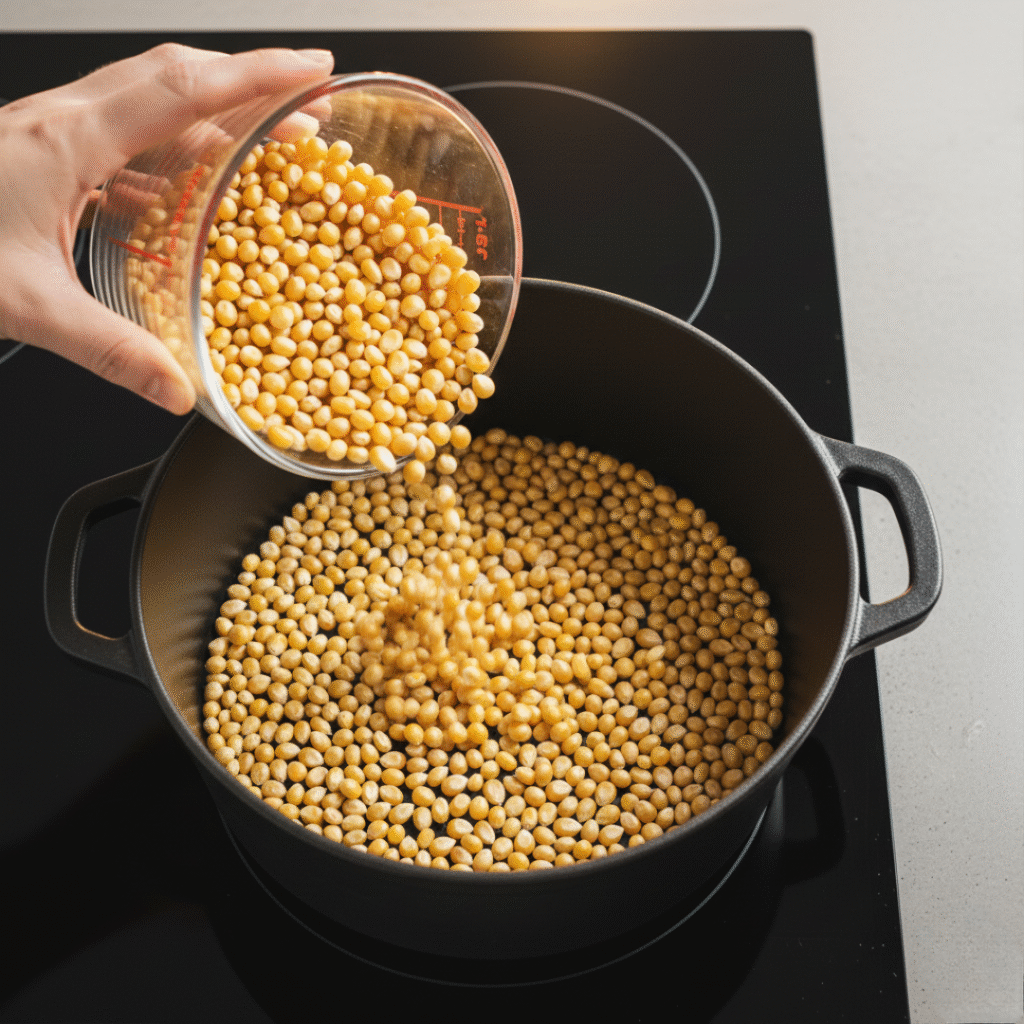
The kernels should be in basically a single layer on the bottom of the pot. If they’re piled up on top of each other, they won’t pop as evenly. Spread them out a little bit so they’re more or less in one layer.
The amount of kernels determines how much popcorn comes out. More kernels equals more popcorn. Less kernels equals less. It’s not rocket science. Try a reasonable amount and adjust after.
Putting The Lid On And Getting Hot
Put the lid on the pot. Make sure it’s actually on there securely because those kernels are going to be bouncing around inside and the lid needs to stay in place.
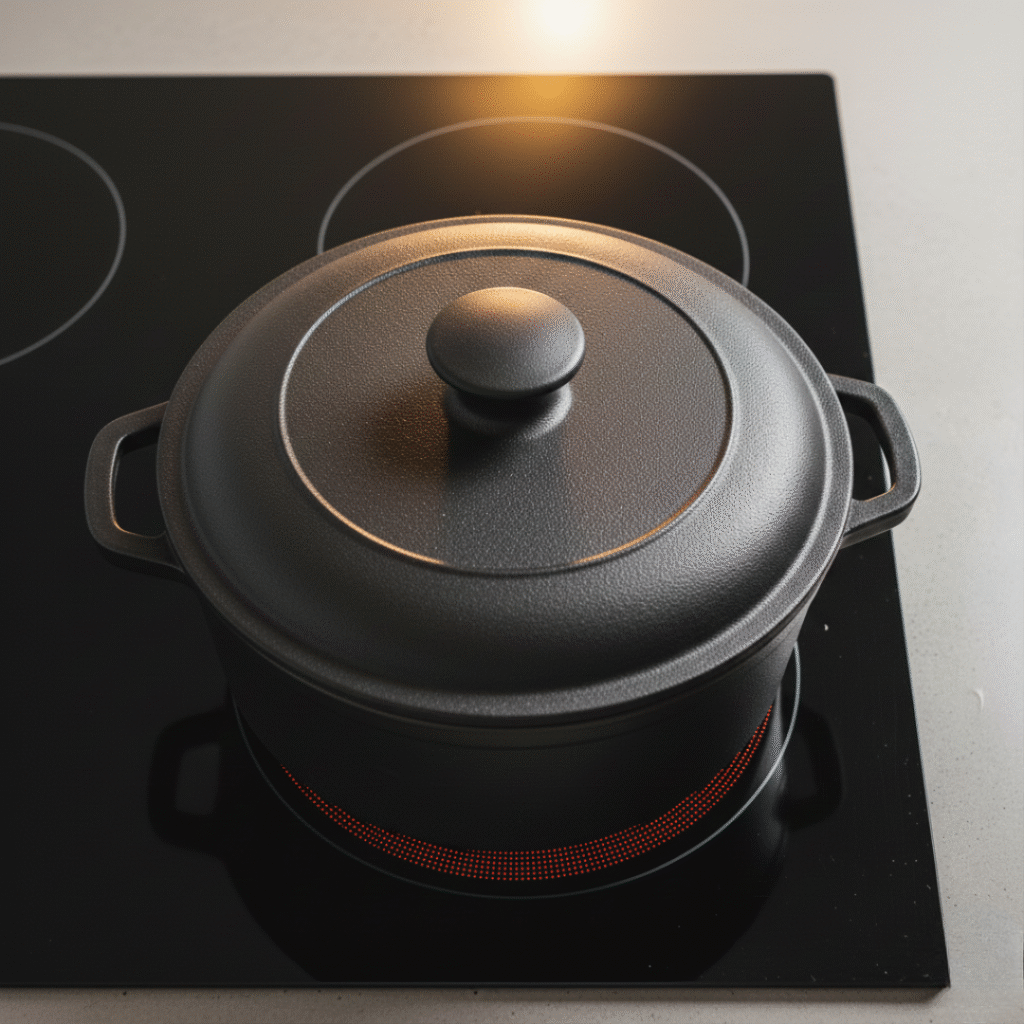
Turn the heat to high or medium-high. The burner needs to be hot enough to actually pop the kernels but not so hot that the oil burns before things get going.
High heat usually works. Medium-high if the stove runs hot and things burn too fast.
The bottom of the pot should be sitting flat on the burner. No wonky wobbling around. That prevents even heating.
Listening For The First Pop
Now the waiting starts. After maybe thirty seconds to a minute, depending on how hot the stove is, the first kernel pops. That sound is the signal that things are happening.
Don’t open the lid and look inside. Just listen. The kernels will start popping and the sound will build.
Once the popping starts getting regular, that’s when the shaking part begins.
Shaking It For Even Popping
Wear an oven mitt because the pot is going to be hot. Once the kernels start popping regularly, gently shake the pot. Move it back and forth on the burner.
The goal is to keep the kernels moving around so they all get the heat and all get popped. Shake it roughly every ten to twenty seconds. Not constantly shaking, just enough to keep things moving.
This is what helps unpopped kernels get down to the hot bottom where they can actually pop.
Knowing When To Stop
The popping starts fast and furious. Then it slows down. This is when someone needs to be paying attention.
When the time between pops stretches out to like two or three seconds instead of constant popping, that’s the signal to stop. Remove it from heat right then.
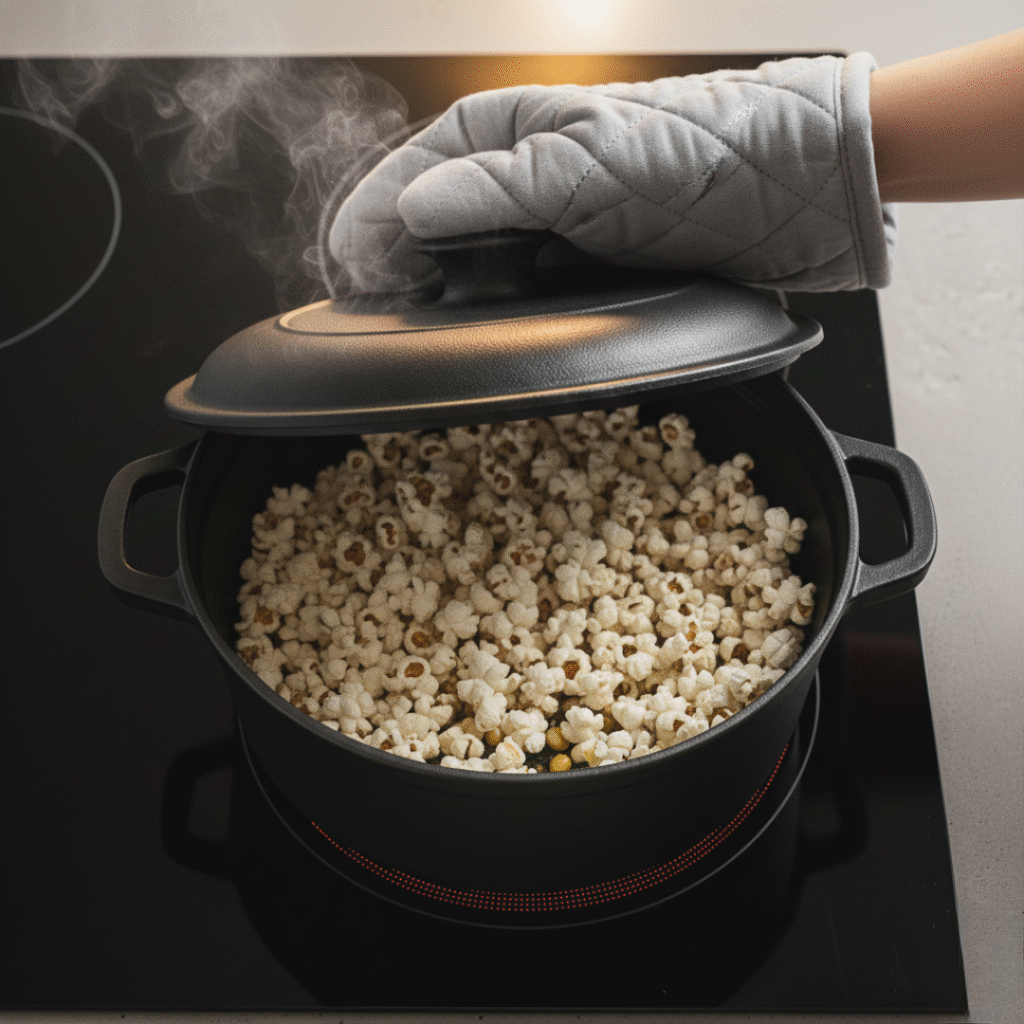
If someone waits longer, the kernels start burning and the whole batch tastes bad. The timing matters. Stop too early and there’s some unpopped kernels. Stop too late and it tastes burnt.
There’s a sweet spot where the popping just starts to slow down. That’s when to take action.
Removing From Heat
Turn off the burner and take the pot off the heat immediately. Leave the lid on for a few seconds so any kernels that are still mid-pop can finish popping.
Then take the lid off and pour the popcorn into a bowl. Be careful because some kernels might still pop for a second or two.
Adding Flavor
This is where it becomes fun. Plain salt is the classic option and it’s good. Melted butter and salt is the movie theater version.
Nutritional yeast and salt tastes cheesy and is healthy. Cinnamon and a little sugar is sweet. Chili powder and lime is spicy and different.
Any combination works because the popcorn itself is basically blank. Whatever someone wants to add is fine.
For how to make popcorn on the stove that’s actually healthy, keep the butter minimal or skip it and use just salt or herbs or spices. That keeps calories low and it still tastes great.
Eating It
Popcorn is best when it’s fresh and warm. Right after making it. So make it and eat it.
If needing to store it, put it in an airtight container. It keeps for a couple days but gets stale. Fresh is way better so making smaller batches more often is the play.
The Secret To Actually Crispy Popcorn
Getting popcorn crispy is what makes or breaks it. Soggy popcorn is sad popcorn.
The first thing is the oil amount. Three tablespoons for one third cup kernels is the baseline. Too little and it’s dry. Too much and it’s oily and gets soggy.
Second is heat. The pot needs to be actually hot. Medium-high or high. If the heat is too low, the kernels don’t pop fast and evenly and they kind of steam instead of pop. Steamed popcorn is not crispy.
Third is not leaving it on heat too long. Once the popping slows, get it off the heat. Leaving it longer burns the kernels and also makes them less crispy because they’re burnt.
Fourth is storing it right. In an airtight container. Humidity ruins crispiness. If popcorn is exposed to air, it gets stale and less crispy.
Fifth is not adding wet toppings too early. If melting butter and adding it right after making popcorn, the residual heat and moisture makes it lose crispiness. Add wet stuff right before eating.
Crispy popcorn is really just about technique and timing and not adding moisture. Get those things right and the popcorn comes out crispy.
Different Ways To Flavor It
Making popcorn on the stove is just the base. The flavoring is where people can get creative.
Super Simple:
- Just salt
- Salt and pepper
- Garlic powder and salt
Sweet Options:
- Cinnamon and sugar mixed together. Sprinkle on warm popcorn.
- Melted honey drizzled on with a little salt
- Maple syrup and black pepper. Weird but good.
Savory Options:
- Nutritional yeast and salt. Tastes like cheese basically.
- Parmesan cheese and Italian herbs
- Ranch seasoning powder
- Chili powder mixed with a little salt
Crazy Options:
- Sriracha drizzled on with honey
- Cumin and lime juice
- Smoked paprika and garlic powder
- Everything bagel seasoning
The best way is to make plain popcorn and then taste it and add seasoning to taste. Different people like different amounts of salt or seasoning. So taste and adjust.
How Much Oil Is Actually Right
The oil amount depends on how many kernels there are. For one third cup kernels, use about three tablespoons oil. For one half cup kernels, use about four or five tablespoons. For one quarter cup kernels, use about two or three tablespoons.
Basically enough oil to coat the bottom of the pot and let the kernels move around without it being excessive. If the kernels are swimming in a pool of oil, that’s too much. If the pot bottom looks barely oiled, probably too little.
It takes a couple batches to dial in the right amount for the specific pot being used. But once someone figures it out, it’s the same every time.
Different Types Of Oil Change The Taste
Coconut oil gives a subtle coconut flavor. Some people love it. Some people think it’s weird. It’s good if making sweet popcorn. Olive oil gives a savory flavor. Extra virgin olive oil is stronger. Regular olive oil is milder. Good for savory popcorn.
Vegetable oil is totally neutral. No taste added. This is good when someone wants to control the flavor with seasonings and not have the oil adding its own taste.
Avocado oil is similar to vegetable oil. Neutral flavor. Works great.
Butter is traditional and tastes good. But butter has a lower smoke point so it can burn easier than oil. Have to watch it carefully and use lower heat.
Ghee is clarified butter. Higher smoke point than regular butter. Tastes good without burning as easily. The oil choice affects flavor so someone should pick based on what taste they’re going for.
Common Mess Ups People Make
Not using enough oil is the biggest one. Kernels need oil to pop. Without it or with barely any, the kernels don’t pop well. They get tough and it’s not good.
Heat too low is next. Kernels pop slowly and unevenly. It takes forever. The whole thing is frustrating. Heat too high and the oil burns before kernels pop. Everything tastes bitter and burnt.
No lid or a lid that’s too loose. Kernels fly everywhere. Mess and wasted popcorn.
Not shaking the pot while it’s cooking. The kernels on the bottom pop while the ones on top just sit there. Uneven batch with tons of unpopped kernels.
Leaving it on heat way too long. Kernels burn. Tastes terrible. The whole batch is ruined. Too much seasoning added. People go crazy with salt or spices and it overpowers everything. Less is more usually.
Adding wet toppings like melted butter right after popping. It gets soggy fast. Add wet stuff right before eating. Using the wrong pot. A thin pot with bad heat distribution burns kernels unevenly and it doesn’t work as well. Use a decent quality pot.
Using old kernels. Kernels that have been sitting around lose moisture and don’t pop well. Fresh kernels pop much better.
Keeping Kernels Fresh And Ready
Store popcorn kernels in an airtight container. Plastic or glass both work. Keep them in a cool, dry place. Pantry or cabinet. Not heat. Not humidity.
Heat and humidity make kernels lose moisture and they won’t pop as well. Don’t refrigerate or freeze kernels because moisture issues happen.
Fresh kernels pop better than old ones. A bag kept properly lasts months and months though. Keep them sealed up and they’re good basically forever.
Storing Finished Popcorn So It Stays Crispy
An airtight container in a cool place keeps it fresh longest. Plastic containers or glass jars both work fine. The enemy of crispiness is humidity. Seal the container tight.
Lasts about two to three days before getting stale. Fresh is definitely better so making smaller batches more often is smarter than making a huge batch and eating it all week.
The refrigerator actually makes it go stale faster because of moisture issues. Don’t store there.
How To Make Popcorn On The Stove But Healthier
Use minimal oil. Just enough to coat the bottom. This reduces fat and calories. Way fewer calories. Skip butter completely. Or use barely any. This cuts the calories way down.
Use salt and herbs and spices instead of heavy sauces. Get flavor without calories. Nutritional yeast, chili powder, garlic powder, paprika. Skip sugar. Sweet popcorn means adding sugar which is unnecessary calories.
Add herbs and spices freely. Flavor without calories. This is the play. Just kernels, minimal oil, and salt or herbs. That’s healthier popcorn. Basically free calories and tastes good.
The Calorie Reality
Plain air-popped popcorn is like thirty to forty calories per cup.
Stovetop popcorn made with three tablespoons of oil and one third cup kernels is about one hundred twenty to one hundred fifty calories total for the whole batch. So like forty to fifty calories per person if it feeds three people.
With butter added it goes up to one hundred fifty to two hundred calories for a batch.
Movie theater popcorn is five hundred to one thousand calories depending on size and how much butter. Absolutely insane.
So homemade stovetop is way lower calorie than theater and doesn’t have weird chemicals in it. And costs like fifty cents instead of fifteen dollars.
Why People Switched Back To Stovetop
It’s way cheaper. Like seventy percent cheaper than microwave packets. Tastes better because it’s just actual food. Not chemicals.
Healthier because there’s no diacetyl or weird additives. Takes the same amount of time as microwave actually. Maybe faster.
Full control over what goes in it. Once someone makes it once, they wonder why they ever bought the expensive versions.
Comparing It To Other Options
Microwave popcorn costs like two to three dollars per packet. Stovetop costs like fifty cents per batch. Stovetop wins on cost massively.
Movie theater popcorn is five hundred to nine hundred calories and costs like fifteen dollars. Stovetop is fifty to one hundred fifty calories and costs fifty cents. Stovetop wins on everything.
Air poppers cost money upfront. Stovetop uses equipment most people already have.
Store-bought pre-popped popcorn is expensive and stale. Stovetop is fresh and cheap.
Stovetop wins basically every comparison.
Why The Technique Actually Matters
The oil needs to be hot enough to pop kernels but not so hot it burns. The kernels need to be shaken so they pop evenly. The timing on when to stop is crucial. Too early and lots of unpopped kernels. Too late and burnt taste.
All of this is basic physics of what happens when heat is applied to something with moisture inside. The technique is just understanding that and executing it.
It’s not complicated but it does matter. So paying attention helps.
Why Making Popcorn On The Stove Works
It’s cheap. Kernels are dirt cheap.
It’s easy. Takes five minutes and basic equipment.
It tastes good. Just kernels and oil and heat. No weird stuff.
It’s healthy. Can be made very healthy with minimal oil.
It’s customizable. Add whatever flavor someone wants.
It works every time if someone pays attention and gets the technique right.
There’s honestly no downside except the tiny bit of effort required. Which is minimal.
Why People Should Start Doing This
Stop wasting money on microwave packets.
Stop eating weird chemicals from bag linings.
Stop paying crazy prices for popcorn.
Start eating fresh popcorn for fifty cents.
Start making it healthier.
Start getting more flavor variety.
Making popcorn on the stove is stupid easy and the benefits are obvious. So people should just start doing it.
Frequently Asked Questions
How long does it take to make popcorn on the stove? About five to seven minutes total. Maybe two minutes of prep. Three to five minutes of cooking depending on heat and batch size.
What if the kernels won’t pop? Could be old kernels that lost moisture. Try fresh kernels. Or heat not hot enough. Try higher heat. Check that the lid is on.
Why are some kernels not popping? It’s normal to have some unpopped kernels. They’re called old maids. It happens. Using hot enough heat and shaking helps reduce them.
Can I make popcorn without oil? Technically yes but it won’t work well. Kernels need oil to pop properly and taste good. No oil means dry, tough, not good popcorn..
What type of pot should I use? A heavy-bottomed pot with a good lid. Stainless steel or cast iron. Any decent pot works though. Thin pots heat unevenly.
Is stovetop popcorn healthier than microwave? Yeah. No diacetyl or weird chemicals in microwave packets. Full control over what goes in. Can use minimal oil.
How do I know when to stop cooking? When the popping slows to like two to three seconds between pops instead of constant. Stop at that point before burning.
Why is my popcorn soggy? Too much oil or too much moisture. Use the right amount of oil. Store in airtight container. Don’t add wet toppings too early.
Is popcorn actually healthy? Plain popcorn is whole grain with fiber. Healthy snack. Problem is heavy toppings. Homemade can be very healthy.
How to make it taste like movie theater? Add melted butter and extra salt. That’s basically what theater does. But more healthily at home with less butter.
Bottom Line: This Is Actually The Best Option
How to make popcorn on the stove is simple. Heat oil, add kernels, cover, heat to medium-high, shake when popping starts, remove when it slows.
Costs about fifty cents per batch. Tastes better than anything else. Healthier than theater. No weird chemicals like microwave.
Takes five to seven minutes from start to finish. Once someone does it once they get why stovetop is the move.
Stop wasting money on expensive popcorn. Start making fresh stovetop popcorn regularly. Save money. Eat better. Taste better. It’s the obvious choice once people realize how easy it is.
Leave a Comment