
Shrimp pasta is one of those dishes that sounds way fancier than it actually is. People hear “shrimp pasta” and think it’s restaurant food. Something you need culinary school to pull off. But real talk? It’s just pasta with some shrimp and a sauce. Takes maybe thirty minutes start to finish. Even on a weeknight when you’re tired and don’t feel like cooking, this is doable.
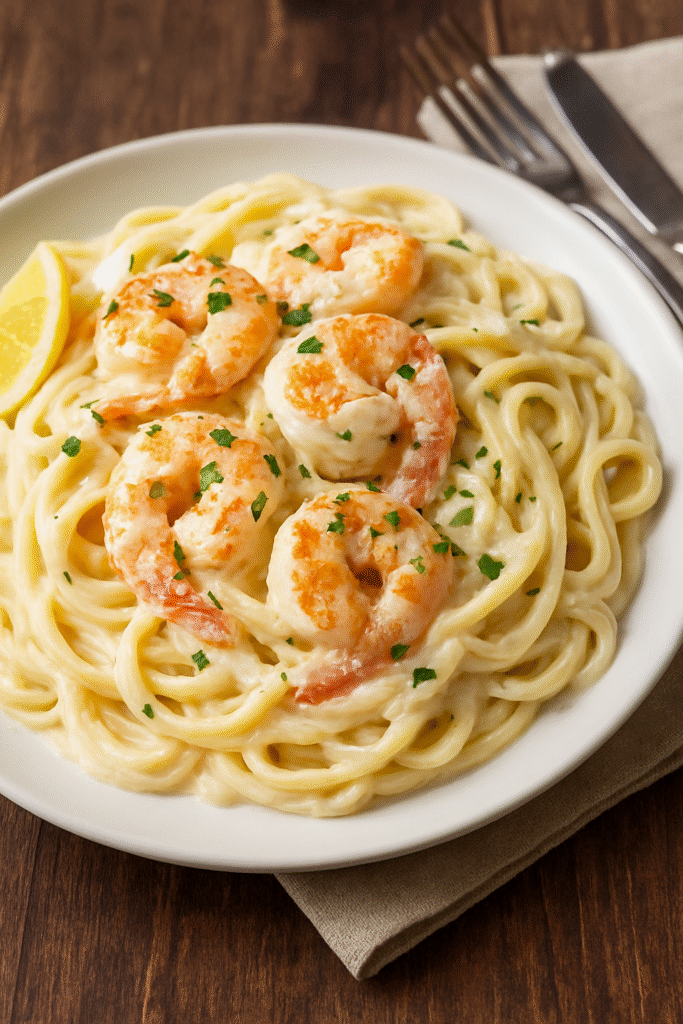
The thing that gets people is shrimp seem intimidating. They’re not. Shrimp cook in literally three minutes. That’s it. Three minutes and they go from raw to perfectly done. The hard part is not overcooking them cause then they turn rubbery and weird. But if you can set a timer for three minutes, you can cook shrimp. It’s that straightforward.
What makes this recipe work is the garlic butter sauce. It’s rich without being heavy. Creamy without drowning everything in cream. The shrimp stay juicy. The pasta gets coated in this garlicky goodness. And the whole thing comes together faster than waiting for delivery. Plus your kitchen smells incredible. Way better than opening a takeout container.
Other Shrimp Pasta Recipes Worth Trying
Once you nail this garlic butter version, there’s a whole world of shrimp pasta variations out there. Each one takes the same basic technique but goes in a different flavor direction.
Spicy Arrabbiata Shrimp Pasta uses tomato sauce loaded with red pepper flakes and garlic. It’s got kick. The tomatoes cut through the richness and keep things lighter. Perfect for when you want something with heat that won’t weigh you down.
Pesto Shrimp Pasta swaps the cream sauce for fresh basil pesto. The bright herby flavor pairs crazy well with shrimp. Add some cherry tomatoes and you’ve got something that tastes like summer even in winter.
Cajun Shrimp Pasta goes heavy on the spices. Paprika, cayenne, garlic powder, oregano. The shrimp get coated in this spice mix before cooking. Creates this slightly blackened crust that’s insanely flavorful. Usually finished with cream to balance the heat.
Lemon Butter Shrimp Pasta keeps it simple. Just butter, lemon, garlic, and chicken broth. No cream. Lighter than the creamy version but still rich from all that butter. The lemon really shines through.
Shrimp Alfredo goes full indulgent. Heavy cream, tons of parmesan, butter. Rich and decadent. Not something you eat every week but damn good when you want comfort food.
Mediterranean Shrimp Pasta brings in olives, capers, sun-dried tomatoes, and feta. Briny and tangy. Different vibe from Italian-style but really good.
The technique for all of these is basically the same as this recipe. Cook the shrimp quick, make your sauce, toss with pasta. Just the flavor profiles change. Once you get comfortable with one version, the others are easy to figure out.
Try these Recipes also:
Why This Recipe Slaps
The key is cooking the shrimp in batches. Don’t crowd the pan. Shrimp need space to sear properly. Throw them all in at once and they’ll steam instead of getting that nice golden color. Two batches takes an extra minute but the results are worth it.
Using pasta water to thin the sauce isn’t just some chef trick. That starchy water helps the sauce cling to the pasta. It emulsifies everything so the butter and cream don’t separate. Plus it’s already salted so you’re adding flavor while adjusting consistency. Win-win.
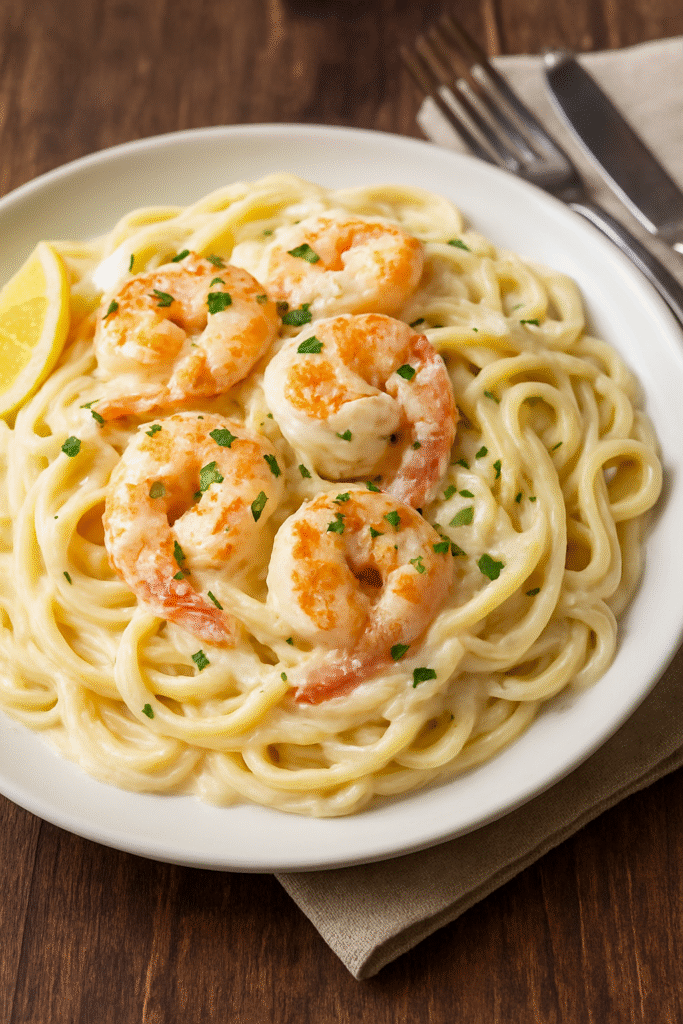
Fresh garlic matters here. A lot. This isn’t the time for garlic powder. You want actual minced garlic that gets fragrant and slightly golden. It’s the backbone of the whole sauce. Skimp on garlic and the dish falls flat.
The lemon at the end is non-negotiable. Shrimp and lemon are best friends. That acid cuts through the richness and makes everything taste brighter. Without it the sauce can taste heavy and one-note.
What You Actually Need
Main Stuff:
- 1 pound large shrimp (peeled and deveined – buy them that way to save time)
- 12 oz pasta (linguine or fettuccine works best)
- 4 tablespoons butter (real butter not margarine)
- 2 tablespoons olive oil
- 6 cloves garlic (minced – yeah that’s a lot, it’s supposed to be)
- 1/2 cup heavy cream
- 1/2 cup pasta cooking water (save this before draining)
- 1/2 cup chicken broth
- 1 lemon (juice and zest)
- 1/4 cup fresh parsley (chopped)
- Red pepper flakes (optional, for heat)
- Salt and black pepper
- Parmesan cheese for serving (freshly grated)
Equipment:
- Large pot for pasta
- Large skillet or pan
- Tongs or pasta fork
- Knife and cutting board
- Grater for cheese and lemon
- Measuring cups
Getting Your Stuff Ready
First thing, get your pasta water going. Fill a big pot with water and crank the heat up. Salt it generously – like seawater level. This is your only chance to season the pasta itself. Undersalted pasta water means bland pasta no matter how good your sauce is.
While the water heats up, prep your shrimp if they’re not already done. Peel them, pull out that vein running down the back. Pat them really dry with paper towels. Wet shrimp won’t sear properly. They’ll just steam and turn gray instead of getting that nice golden color.
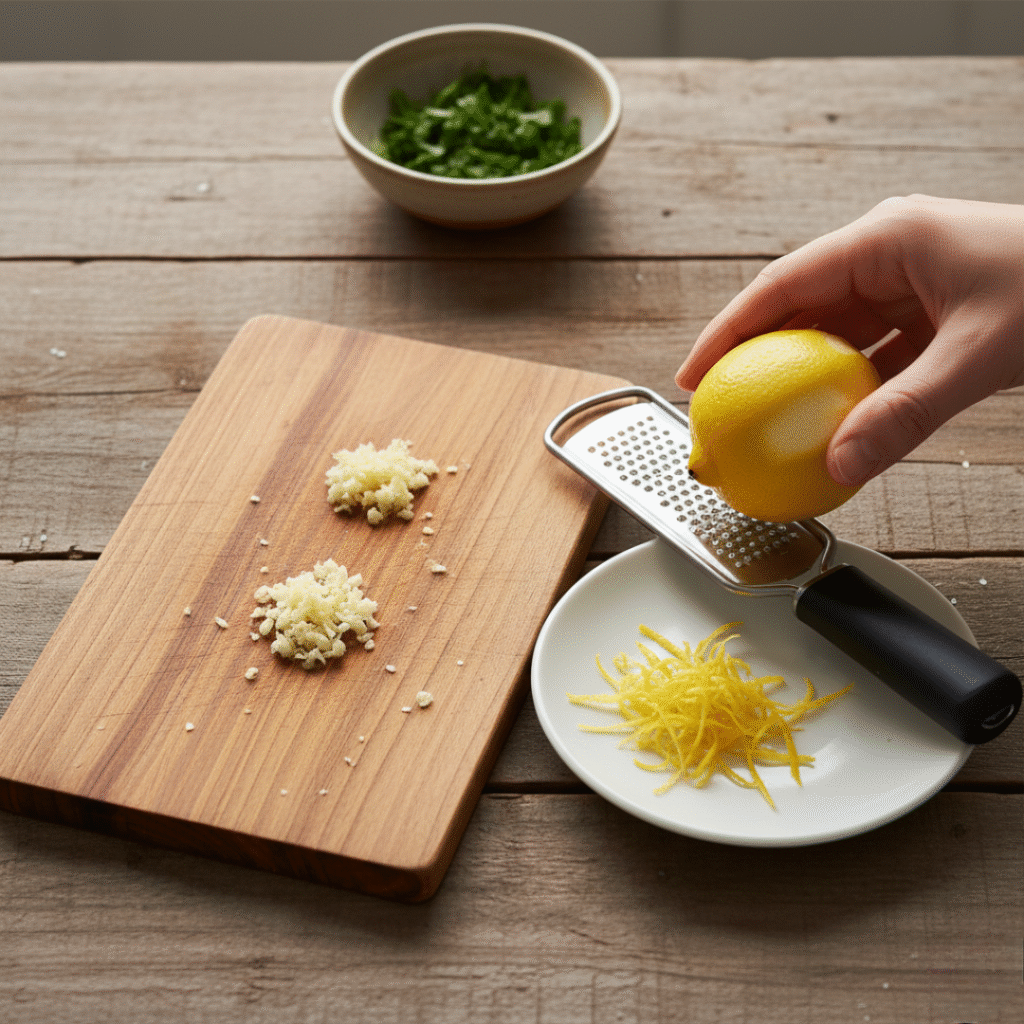
Mince your garlic. Don’t use a press. Just chop it fine with a knife. Pressed garlic burns easier. Hand-minced gives you more control. Zest your lemon before you juice it – way easier to zest a whole lemon than a halved one. Chop your parsley. Get everything ready before you start cooking cause once you do, things move fast.
Cooking The Pasta Right
Once your water’s boiling hard, dump in the pasta. Give it a stir so nothing sticks together.
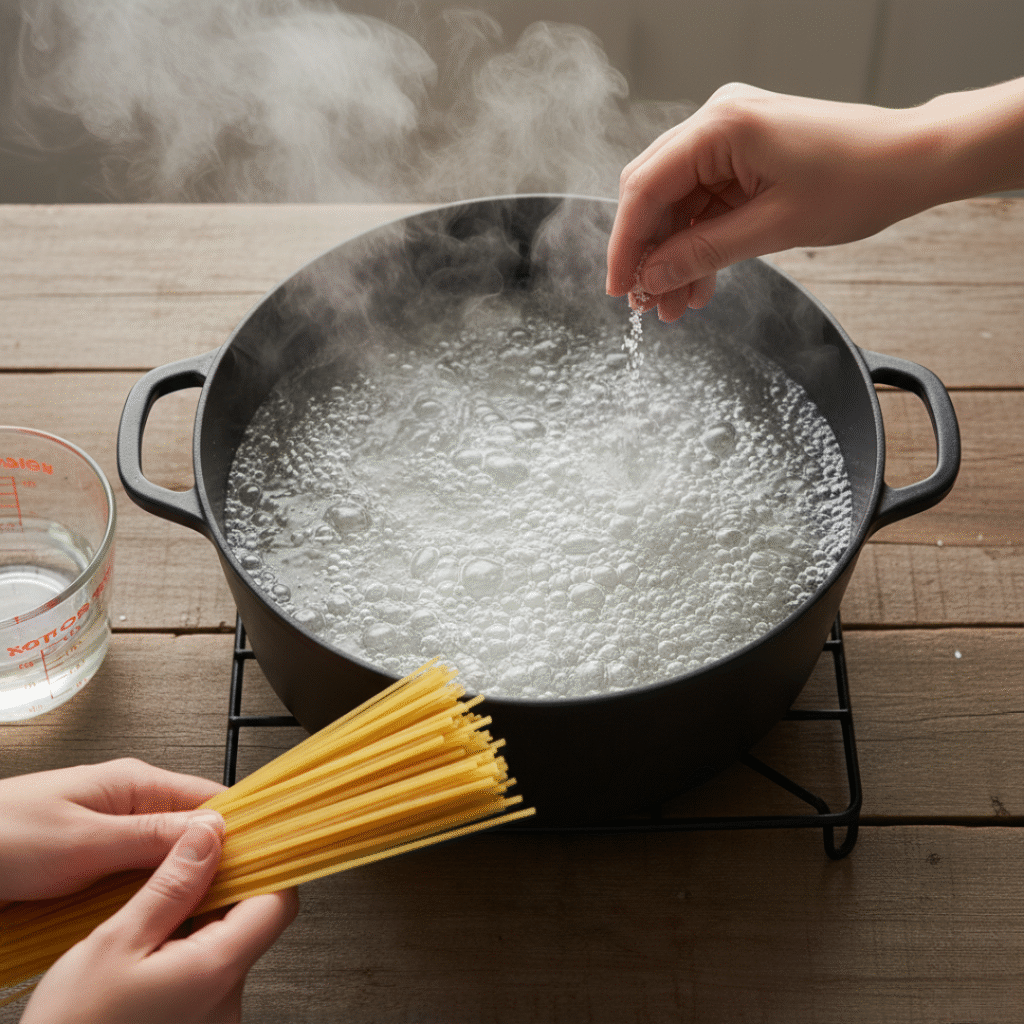
Check the package for cooking time and set a timer for two minutes less than it says. You want the pasta slightly undercooked cause it’ll finish cooking in the sauce.
Here’s the move most people miss – before you drain the pasta, scoop out a cup of that cooking water. Just use a mug or measuring cup. This starchy water is liquid gold for your sauce. Don’t skip this or you’ll be sorry later.
When the timer goes off, drain the pasta but don’t rinse it. Rinsing washes off the starch you need. Just drain and set aside.
Searing The Shrimp
Heat your skillet over medium-high heat. Add one tablespoon of butter and one tablespoon of olive oil. Let it get hot but not smoking. You want to hear a sizzle when the shrimp hit the pan.
Season your shrimp with salt and pepper. Both sides. Don’t be shy with the seasoning.
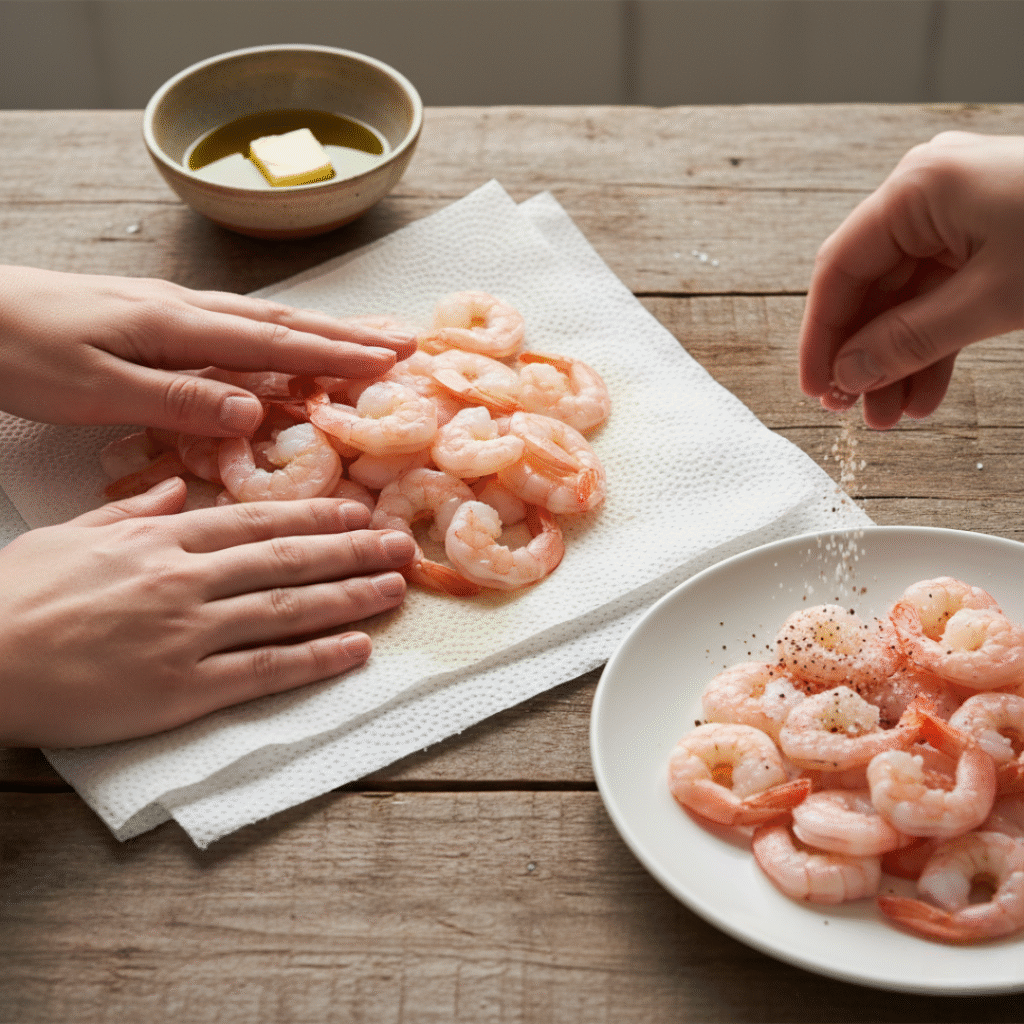
Add half the shrimp to the pan in a single layer. Don’t overlap them. Don’t move them around. Let them sit for about ninety seconds. They’ll turn pink and get golden on the bottom. Flip them and cook another ninety seconds. They should be just cooked through – pink and opaque but still tender.
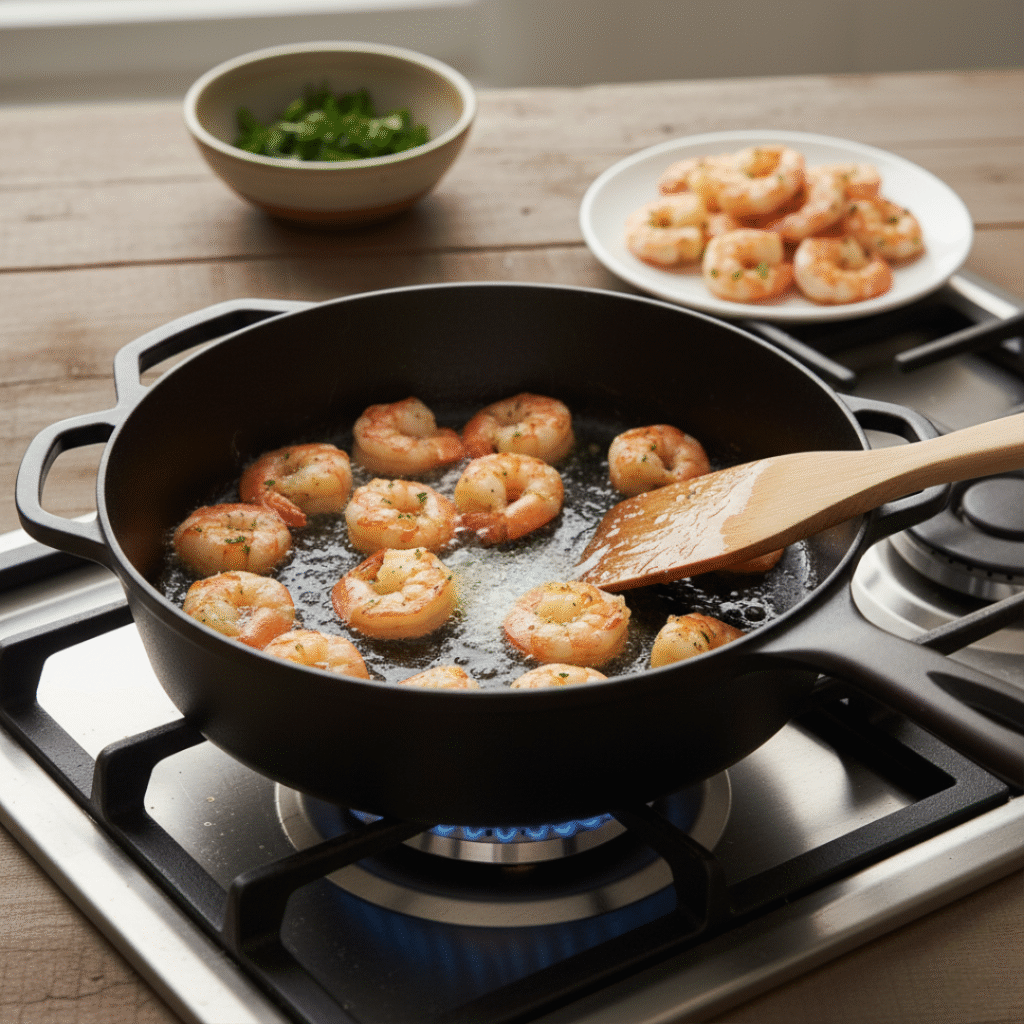
Take those shrimp out and set them on a plate. Add the rest of the butter and oil to the pan. Cook the second batch the same way. Remove them too.
The whole shrimp cooking process takes maybe five or six minutes total. That’s it. They’re done.
Making the Sauce
With your pan still hot, add a splash more olive oil if needed. Toss in all that minced garlic. Stir it around for like thirty seconds. You want it fragrant and just starting to turn golden. Don’t let it brown or it’ll taste bitter.
Pour in the chicken broth. Let it bubble and reduce by half. Takes about two minutes. This concentrates the flavor. Scrape up any browned bits stuck to the pan – that’s flavor.
Pour in the cream. Stir it around. Let it bubble gently for a minute or two. The sauce will thicken slightly. Add a big pinch of red pepper flakes if you want some heat.
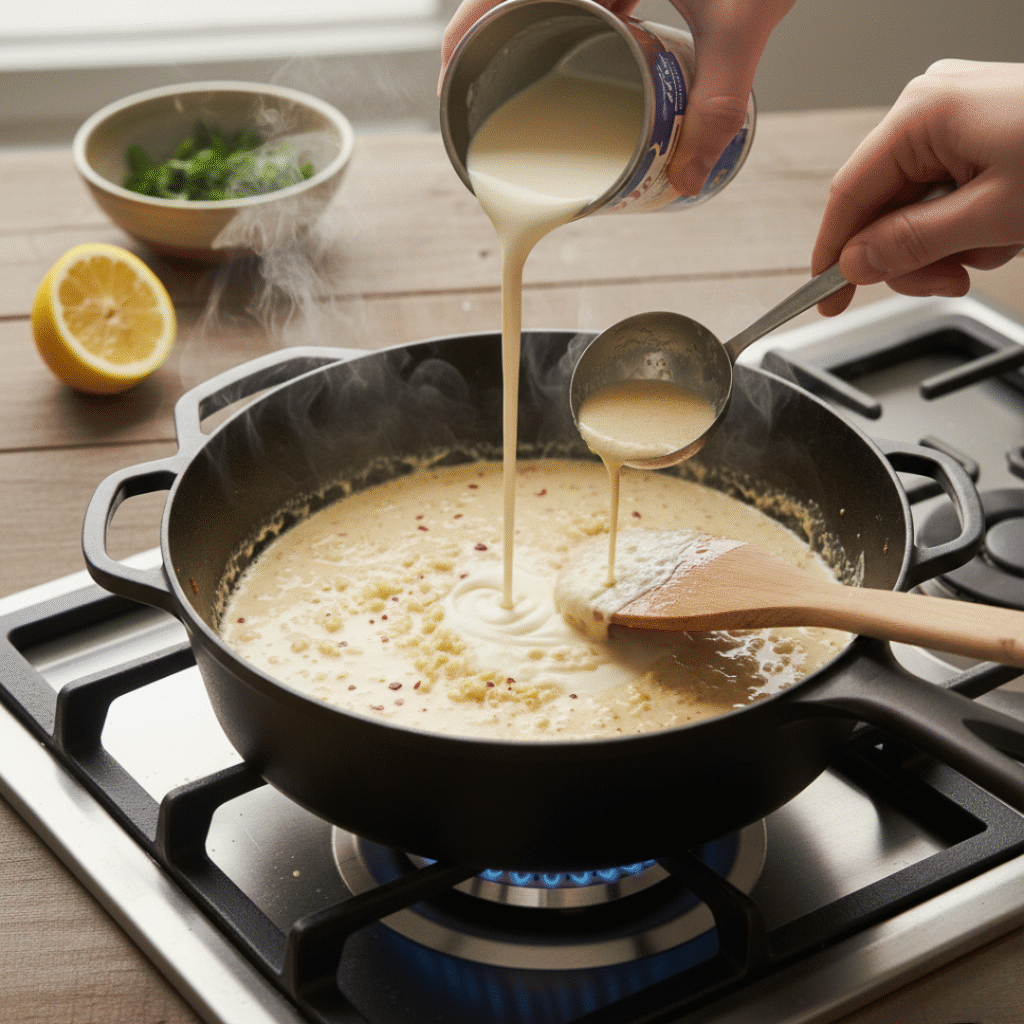
Now add about half a cup of that pasta water you saved. The sauce will thin out and look kinda loose. That’s fine. It’ll thicken up when you add the pasta.
Bringing It All Together
Add your drained pasta to the sauce. Use tongs to toss everything together. The pasta will absorb sauce as you toss it. If it looks too dry, add more pasta water a little at a time. If it’s too soupy, let it cook another minute to reduce.
Add back your cooked shrimp. Squeeze in the lemon juice. Add the lemon zest. Toss everything together for another minute so the shrimp heat back up.
Taste it. Probably needs more salt. Add some. Maybe more pepper. Adjust till it tastes right to you.
Kill the heat. Toss in your chopped parsley. The residual heat will wilt it slightly but it’ll stay bright green.
Plating This Thing
Twirl the pasta into bowls or onto plates. Make sure everyone gets a good amount of shrimp. Grate some fresh parmesan over the top. A lot of it. Don’t be stingy.
Drizzle a tiny bit of good olive oil if you have it. Adds shine and richness. Maybe another crack of black pepper.
Serve it hot. Like immediately. Pasta waits for no one. The longer it sits, the more sauce it absorbs and the drier it gets.
Got some crusty bread? Perfect for soaking up extra sauce. Got a simple salad? Great on the side. But honestly the pasta is enough on its own.
Making It Work For You
Want it more lemony? Add more lemon juice at the end. Want it richer? Add another tablespoon of butter.
Like it spicy? Double the red pepper flakes or add some fresh diced jalapeño with the garlic.
Can’t find large shrimp? Medium shrimp work fine. Just cook them for less time. Like sixty seconds per side instead of ninety.
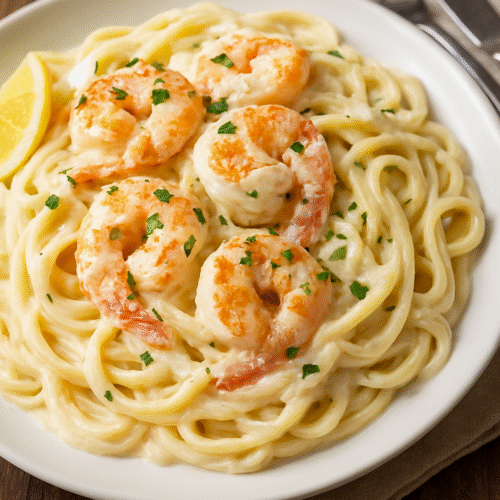
How to Make Shrimp Pasta
Equipment
- Large pot
- Large skillet or sauté pan
- Tongs
- Colander
- Knife and cutting board
- Grater
- Measuring cups and spoons
Ingredients
Protein:
- 1 lb large shrimp peeled and deveined
- Salt and pepper
Pasta:
- 12 oz linguine or fettuccine
- Water for cooking
- Salt for pasta water
Sauce:
- 4 tablespoons butter
- 2 tablespoons olive oil
- 6 cloves garlic minced
- ½ cup heavy cream
- ½ cup chicken broth
- ½ cup pasta water
- 1 lemon juice and zest
- Red pepper flakes optional
Finishing:
- ¼ cup fresh parsley chopped
- Parmesan cheese grated
- Extra olive oil for drizzling
INSTRUCTIONS
How To Make It
- 1. Get a big pot of salted water boiling for pasta. Cook pasta according to package directions minus two minutes. Save a cup of pasta water before draining. Don't rinse the pasta.
- 2. Pat shrimp completely dry with paper towels. Season with salt and pepper on both sides.
- 3. Heat skillet over medium-high. Add 1 tablespoon butter and 1 tablespoon oil. When hot, add half the shrimp in single layer. Cook 90 seconds per side until pink and golden. Remove to plate. Add more butter and oil, cook remaining shrimp. Remove those too.
- 4. Add garlic to the same pan. Cook 30 seconds till fragrant. Add chicken broth and let reduce by half, about 2 minutes. Pour in cream and let simmer 1-2 minutes. Add red pepper flakes if using.
- 5. Add pasta water to thin the sauce. Toss in drained pasta and mix with tongs till coated. Add more pasta water if too dry.
- 6. Add shrimp back in. Squeeze lemon juice over everything. Add lemon zest. Toss together for 1 minute to heat through.
- 7. Turn off heat. Add chopped parsley and toss. Taste and adjust salt and pepper.
- 8. Serve immediately with lots of grated parmesan on top.
Don’t eat dairy? Use olive oil instead of butter and skip the cream. Add more pasta water to make a lighter sauce. Still tastes great, just different.
Want vegetables? Throw in some cherry tomatoes with the garlic. They’ll burst and add sweetness. Spinach works too – add it at the very end and let it wilt. Asparagus, zucchini, whatever. Just don’t overload it or it stops being shrimp pasta and becomes vegetable pasta with some shrimp.
Sun-dried tomatoes are clutch if you have them. Chop a few and add with the garlic. Adds tang and chewiness.
When Things Go Sideways
Shrimp turned rubbery: You overcooked them. Shrimp cook fast. Like really fast. Three minutes total max. Next time pull them earlier. They’ll finish cooking when you add them back to the hot pasta.
Sauce is too thick: Add more pasta water bit by bit. That starchy water loosens everything up and helps it coat the pasta better.
Sauce is too thin: Let it simmer longer to reduce. Or add a bit more cream. Or grate some parmesan into it – the cheese will thicken it up naturally.
Garlic burned: Heat was too high or you didn’t stir it enough. Burned garlic tastes bitter and ruins everything. If it happens, wipe out the pan and start the sauce over. Not worth trying to salvage.
Pasta is clumpy: You didn’t use enough water or didn’t stir it enough while cooking. Or you let it sit too long after draining. Always dress pasta with sauce immediately while it’s still hot.
Too salty: You probably salted the pasta water, seasoned the shrimp, and then added more salt to the sauce. Easy to overdo it. Can’t really fix it but adding more cream or pasta water helps dilute.
Not enough flavor: Needs more garlic, more lemon, or more salt. Don’t be scared to really season this dish. The cream can mute flavors so you need to be generous.
Questions People Keep Asking
Can I use frozen shrimp? Yeah totally. Just thaw them first. Run under cold water for a few minutes or leave in the fridge overnight. Pat them really dry before cooking. Frozen shrimp have more water in them so getting them dry is crucial.
What if I can’t find fresh shrimp? Frozen is fine. Honestly most “fresh” shrimp at grocery stores were previously frozen anyway. Just make sure they’re fully thawed and dried before cooking.
Can I use different pasta? Sure. Linguine and fettuccine are traditional but spaghetti, angel hair, penne, whatever you got works. Long pasta is better for twirling with the sauce but use what you like.
Do I have to use broth? Nope. Broth adds depth but isn’t essential. You can use chicken stock instead or just skip that step. The dish still works without it.
Can I make this ahead? Not really. Pasta is best fresh. Shrimp get rubbery when reheated. This is a make-and-eat-immediately kind of dish. You can prep everything ahead though – peel shrimp, mince garlic, measure stuff out. Then cooking takes ten minutes.
What size shrimp should I buy? Large or extra large. They’re labeled by count like 16-20 or 21-25. Lower number means bigger shrimp. Get whatever looks good and isn’t crazy expensive. Just adjust cooking time for smaller shrimp.
Can I skip the cream? You can but it won’t be creamy anymore obviously. Use more butter and pasta water instead. Or try half-and-half if you want something lighter than cream. Whole milk works in a pinch too.
Is this spicy? Only if you add red pepper flakes. Without them it’s not spicy at all. Add as much or as little heat as you want. Start with a small pinch and add more if needed.
What broth should I use? Any chicken broth you’d use for regular cooking. Store bought works fine. Low sodium is nice so you control the salt level. If you have homemade even better.
Why does restaurant shrimp pasta taste different? They use way more butter and salt than you’d use at home. Also they probably have better shrimp. But this recipe gets you pretty close without being ridiculous with the butter.
Frequently Asked Questions
Can I add other seafood? Yeah throw in some scallops or mussels. Cook scallops like the shrimp – quick sear on both sides. Add mussels to the sauce and let them steam open. Just don’t overload it or cooking times get complicated.
How do I know when shrimp are done? They turn pink and opaque. They’ll curl into a C shape. If they curl into an O, they’re overcooked. Pull them when they’re just pink with no gray spots.
Can I make this without garlic? You could but why would you want to? Garlic is the star here. Without it you just have buttery shrimp pasta which is fine but not the same thing. If you hate garlic, maybe pick a different recipe.
Do I need to devein shrimp? The vein is actually the digestive tract. Not dangerous but kinda gross. Most shrimp come already deveined. If yours aren’t, use a small knife to cut along the back and pull it out. Takes an extra minute but worth it.
Can kids eat this? Sure. Skip the red pepper flakes to keep it mild. Most kids like buttery garlicky pasta. The shrimp might be hit or miss depending on the kid.
Is this healthy? It’s got protein from the shrimp. The cream and butter make it rich but you’re splitting it between four people so it’s not that bad. Could use less cream or skip it entirely for a lighter version. Still pretty reasonable for a weeknight dinner.
How do I store leftovers? Put in an airtight container in the fridge. Eat within two days. Reheat gently in a pan with a splash of cream or milk. Microwave works too but add liquid so it doesn’t dry out.
Can I double the recipe? You can but you’ll need a bigger pan or cook in batches. Crowding the pan makes shrimp steam instead of sear. Everything else doubles fine.
What should I serve with this? Honestly it’s pretty complete on its own. Maybe some garlic bread if you want. Simple green salad with vinaigrette. Glass of water if you’re feeling fancy. But the pasta itself is the star.
Why is my sauce separating? The butter and cream aren’t emulsifying. Usually means you need more pasta water or the pan is too hot. Add pasta water and stir vigorously. The starch will help bring it together.
Bottom Line
Shrimp pasta isn’t complicated. It looks fancy and tastes like something from a restaurant but it’s honestly just organized home cooking. Get everything prepped. Cook things in the right order. Don’t overcook the shrimp. That’s really all there is to it.
The flavors are simple – garlic, butter, lemon, cream. Nothing weird or hard to find. But when they come together with properly cooked shrimp and perfectly sauced pasta, it’s legit restaurant quality. The kind of meal that makes you wonder why you ever bother with takeout.
Make this on a weeknight when you want something good but don’t have hours to spend in the kitchen. Make it for someone you’re trying to impress. Make it when you just want to eat something delicious. Works for all of those situations.
The best part? Once you nail this recipe, you can riff on it. Different herbs. Different vegetables. Different pasta shapes. The technique stays the same. You’ll end up making it all the time cause it’s easy, fast, and consistently good.
So grab some shrimp and pasta. Heat up a pan. Make yourself some damn good shrimp pasta. Your weeknight dinner game will never be the same.
Leave a Comment