
Ask anyone about South Indian breakfast and they’ll mention idli, uttapam, vada, or poha. But dosa? That’s the real star. Whether you’re a biryani lover or a paratha person, nobody says no to a perfectly crispy dosa.
There’s something magical about watching a dosa cook. The batter spreading thin. That golden-brown color. The smell filling your kitchen. And the best part – dunking that crispy bite into spicy chutney or tangy sambar.
Dosa isn’t just food. It’s an experience. The crunch. The heat. The cooling effect of coconut chutney. All of it together creates something unforgettable.
Most people think making good dosa at home is complicated. The fermentation scares them. Getting that thin, crispy texture seems impossible. But here’s the truth – once you understand the basics, it becomes second nature. The batter does most of the work for you.
This guide walks you through everything. From soaking the rice to flipping your first perfect dosa. Plus, we’re making three classic dipping sauces that take dosa from good to incredible.
Ready? Let’s start cooking.
What Makes a Perfect Dosa?
Before jumping into the recipe, let’s talk about what we’re aiming for.
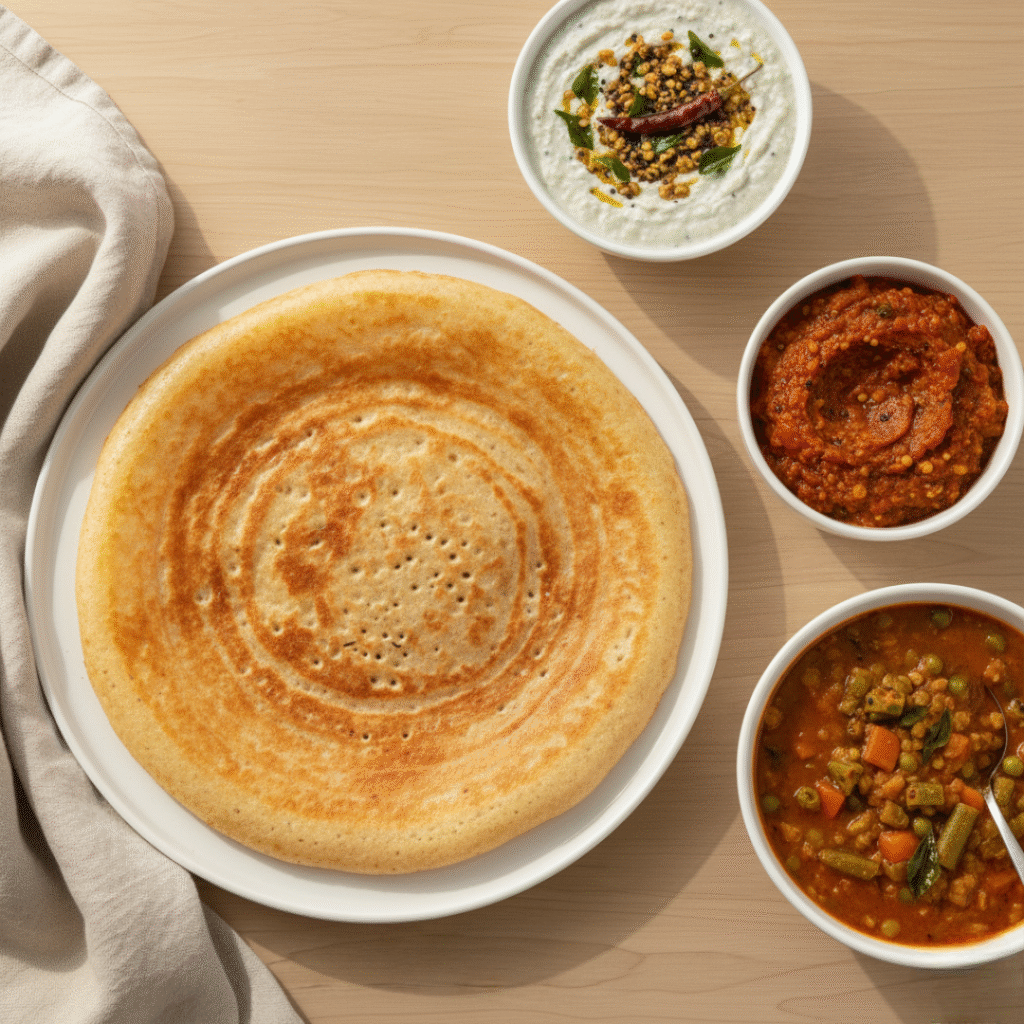
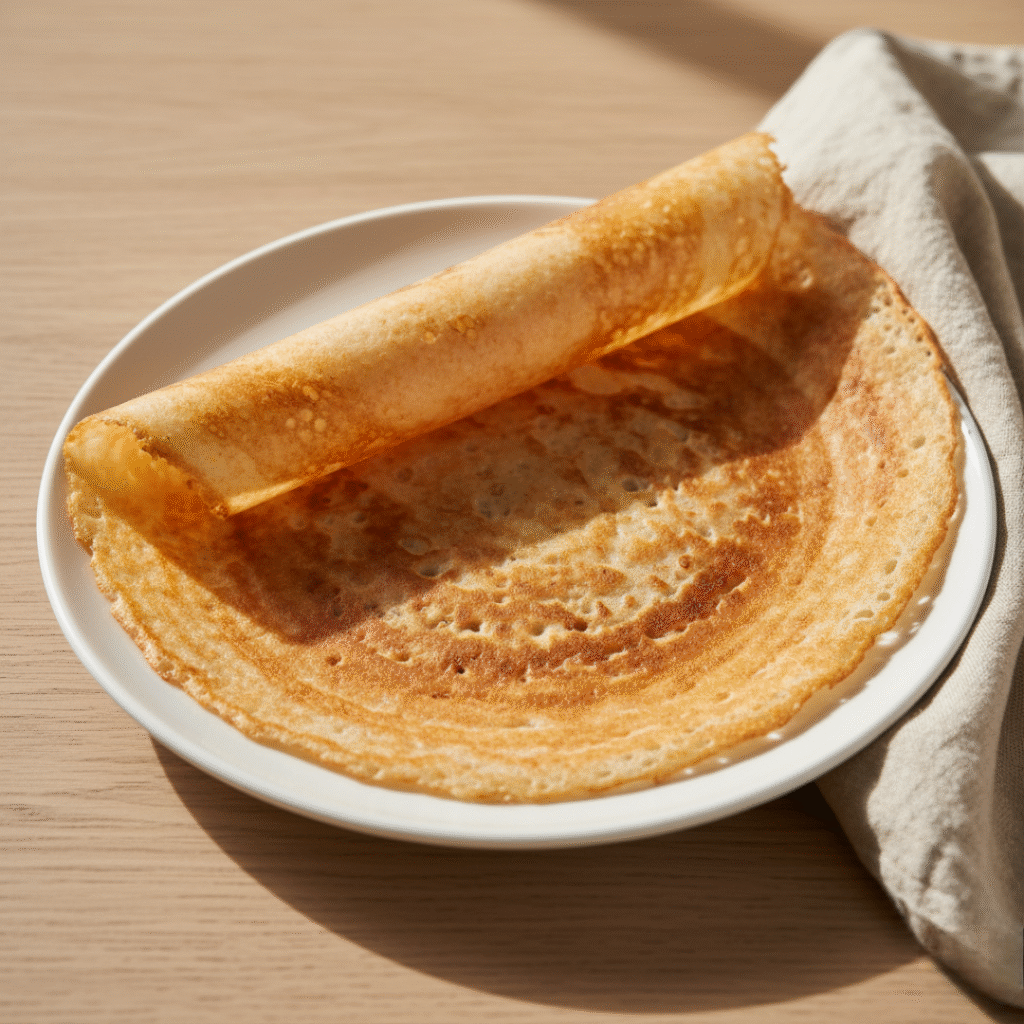
A perfect dosa should be paper-thin in the middle but slightly thicker at the edges. The surface needs those beautiful golden spots – not uniformly brown, but spotted. When you bite in, it should crack and crunch. Not bend. Not tear softly. Crack.
The inside stays slightly softer than the outside. This contrast is everything. Crispy exterior, tender interior.
And the taste? Slightly sour from fermentation. A hint of earthiness from the rice and lentils. Nutty undertones. Nothing overpowering. The dosa is a canvas. The chutneys and sambar bring the bold flavors.
Understanding Dosa Batter
The batter is where everything begins. Get this right and you’re halfway to dosa perfection.
Traditional dosa batter uses two main ingredients – rice and urad dal (split black gram). The ratio matters. Too much rice makes dense dosas. Too much dal makes them too soft.
The classic ratio is 4:1. Four parts rice to one part dal. Some people use 3:1 for softer dosas. Others go 5:1 for extra crispiness. We’re sticking with 4:1 because it gives that perfect balance.
Fermentation is where the magic happens. The batter sits overnight, and natural bacteria start working. They create air bubbles. These bubbles are what make dosas crispy and give them that characteristic tangy flavor.
In cold weather, fermentation takes longer. In hot weather, it happens faster. The sweet spot is 8-12 hours at room temperature. You’ll know it’s ready when the batter doubles in size and smells pleasantly sour.
The Main Recipe: Classic Dosa
Ingredients
For the Batter:
- 2 cups parboiled rice (idli rice works best)
- 1/2 cup urad dal (split black gram)
- 1/4 teaspoon fenugreek seeds
- Water for soaking and grinding
- Salt to taste
- Oil or ghee for cooking
Making the Batter
Start by washing the rice thoroughly.
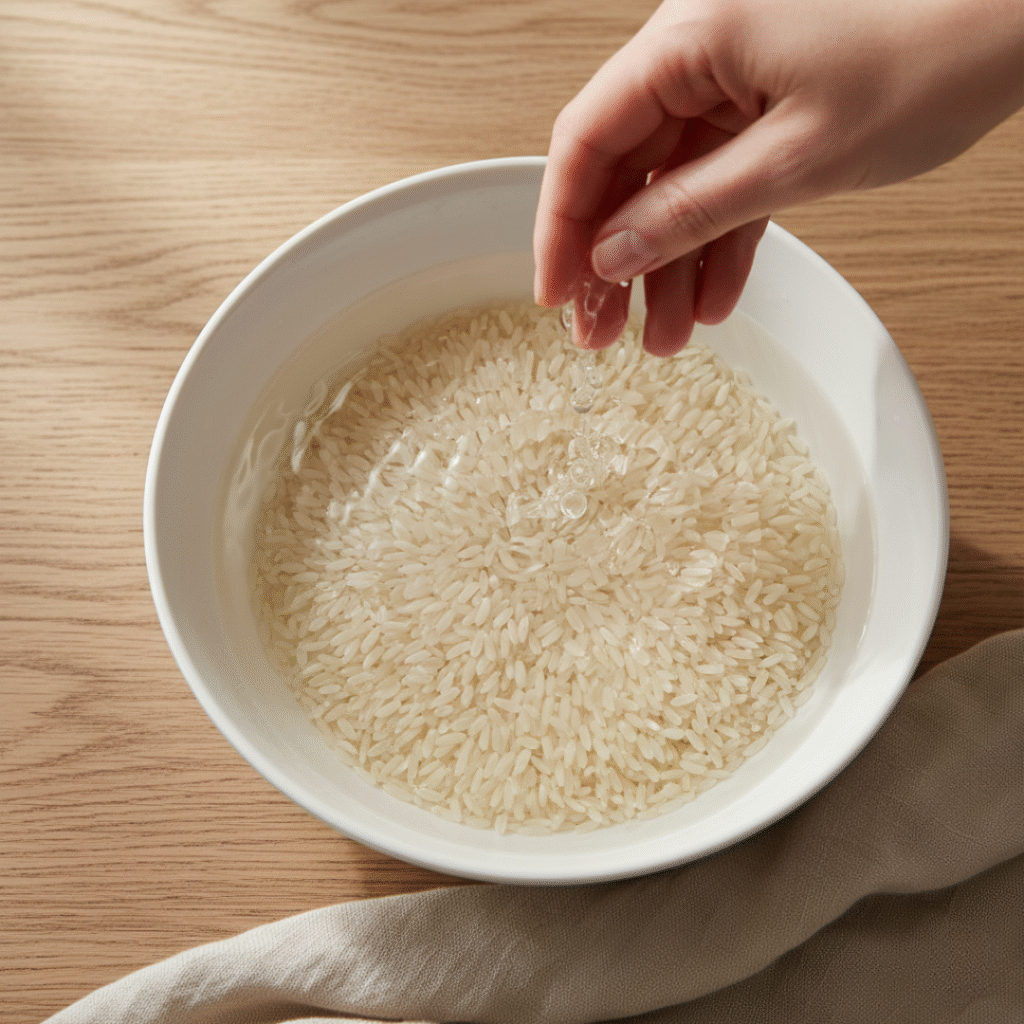
Rinse it 3-4 times until the water runs clear. Put it in a large bowl. Cover with water – about 2 inches above the rice level. Let it soak.
In another bowl, wash the urad dal the same way. Add fenugreek seeds to the dal.
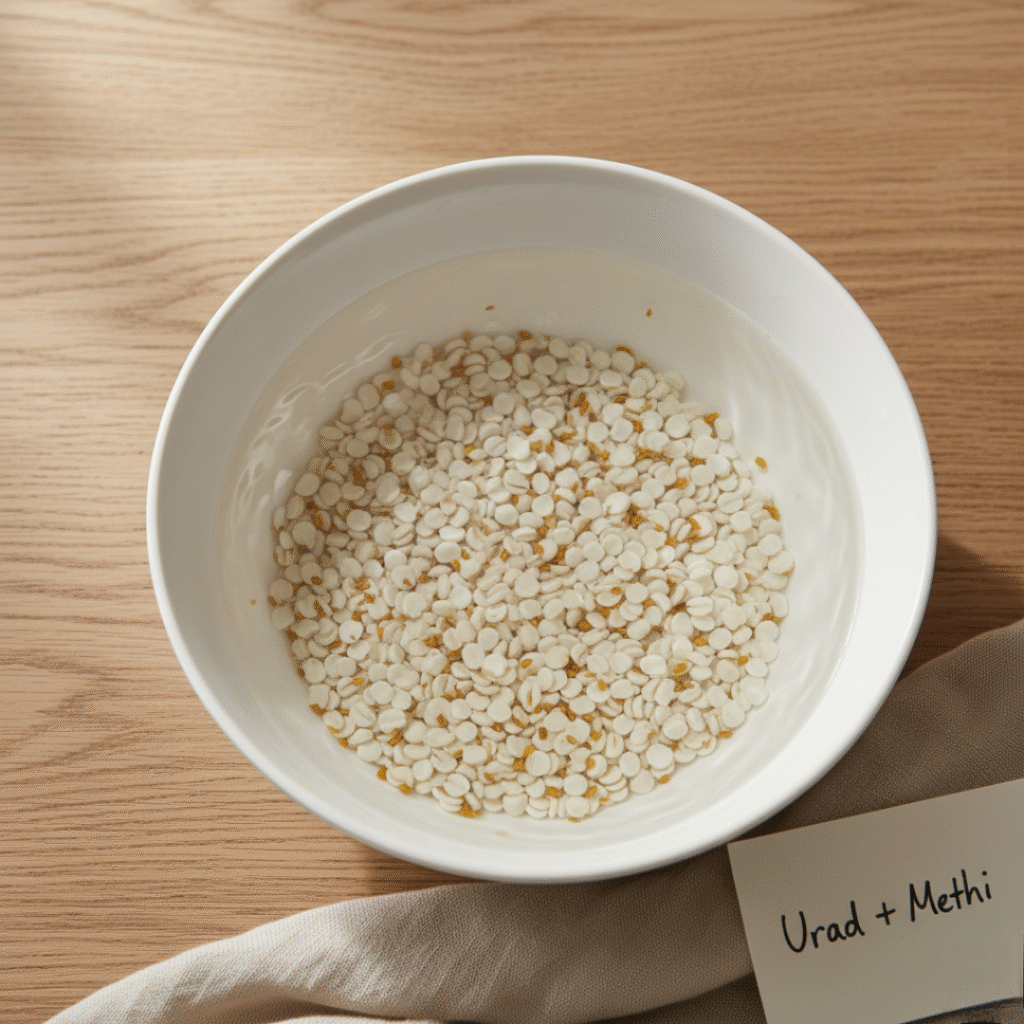
Cover with water. Let both soak for at least 5-6 hours. Overnight works too.
After soaking, drain the water from both. Start with the dal. Add it to your grinder or wet grinder with about 1/2 cup fresh water. Grind it smooth. Really smooth. This should take 8-10 minutes. The batter should feel fluffy and light when you touch it. Add water little by little if needed.
Transfer the dal batter to a large container.
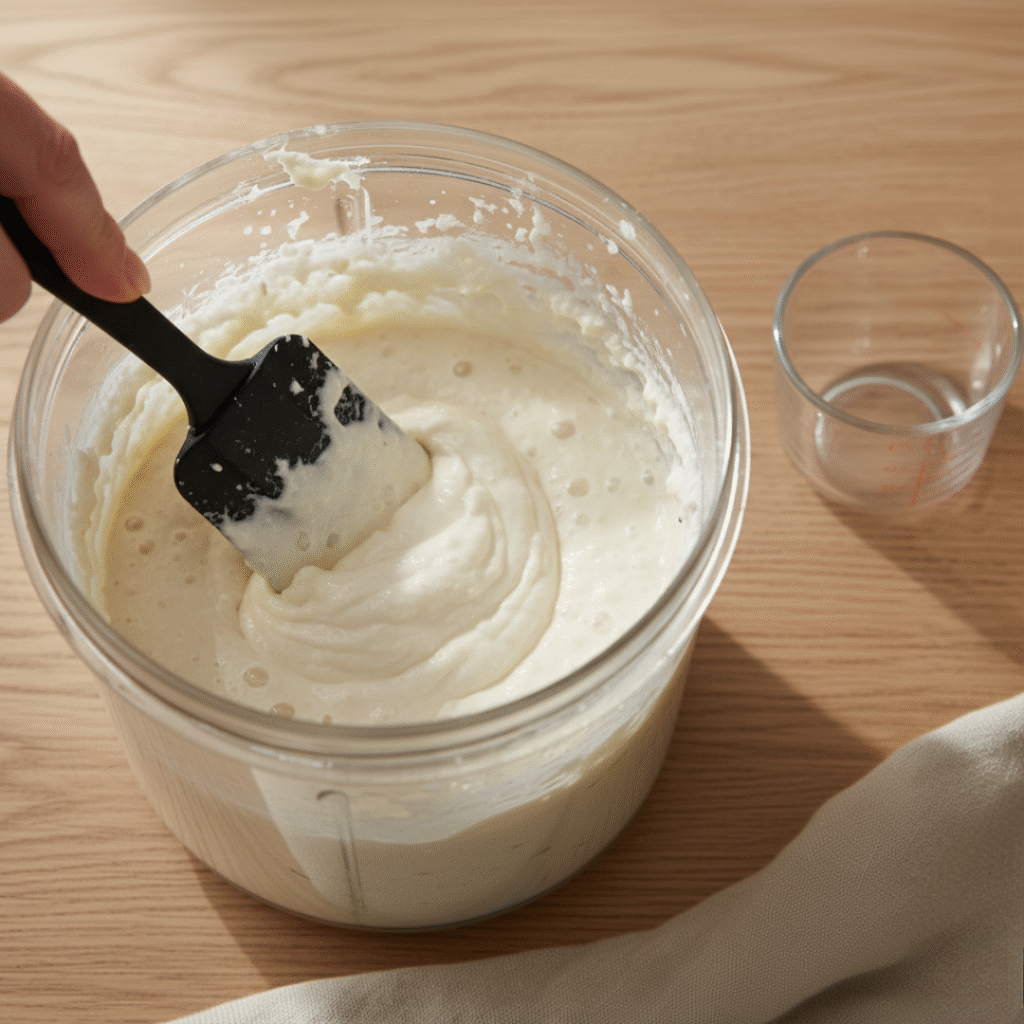
Now grind the rice. This doesn’t need to be as smooth. A slightly grainy texture is fine. Add about 3/4 cup water while grinding. The consistency should be like pancake batter – flowing but not watery.
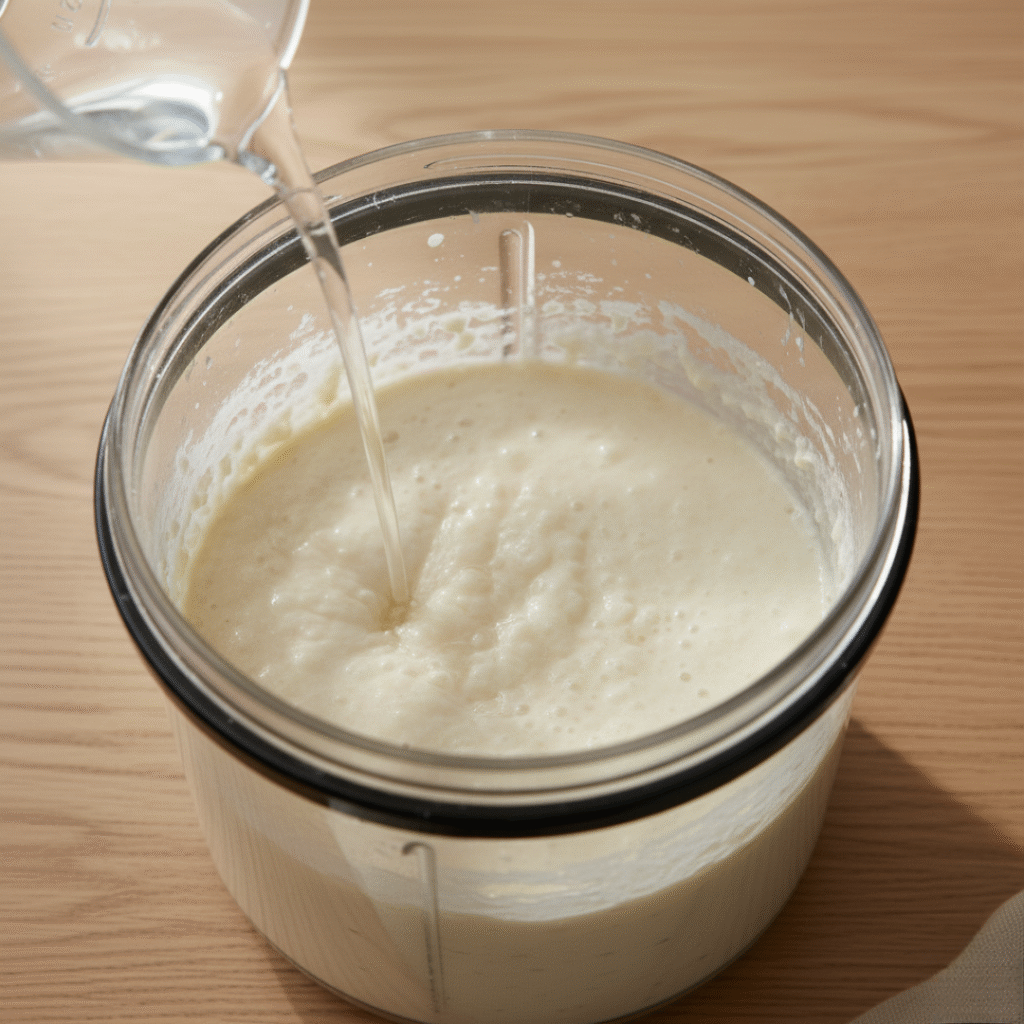
Mix both batters together in your container. Add salt. Mix well with your hand.
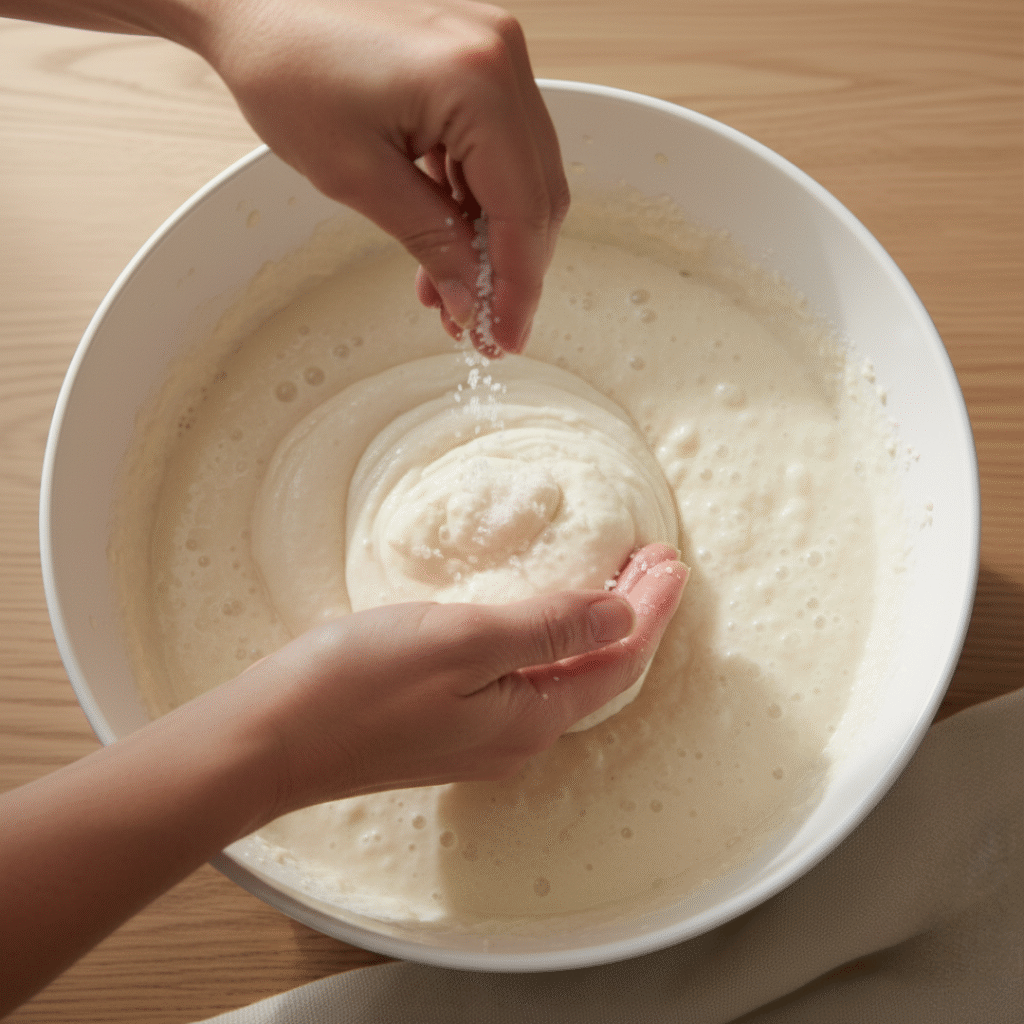
This helps with fermentation. Cover loosely with a lid. Don’t seal it completely – the gases need to escape.
Place the container somewhere warm. Not hot. Just warm. A turned-off oven with the light on works great. Or near a warm spot in your kitchen.
Wait for 8-12 hours. Check the batter. It should have risen. Lots of tiny bubbles on the surface. Smells tangy but not unpleasant. That’s your sign. The batter is ready.
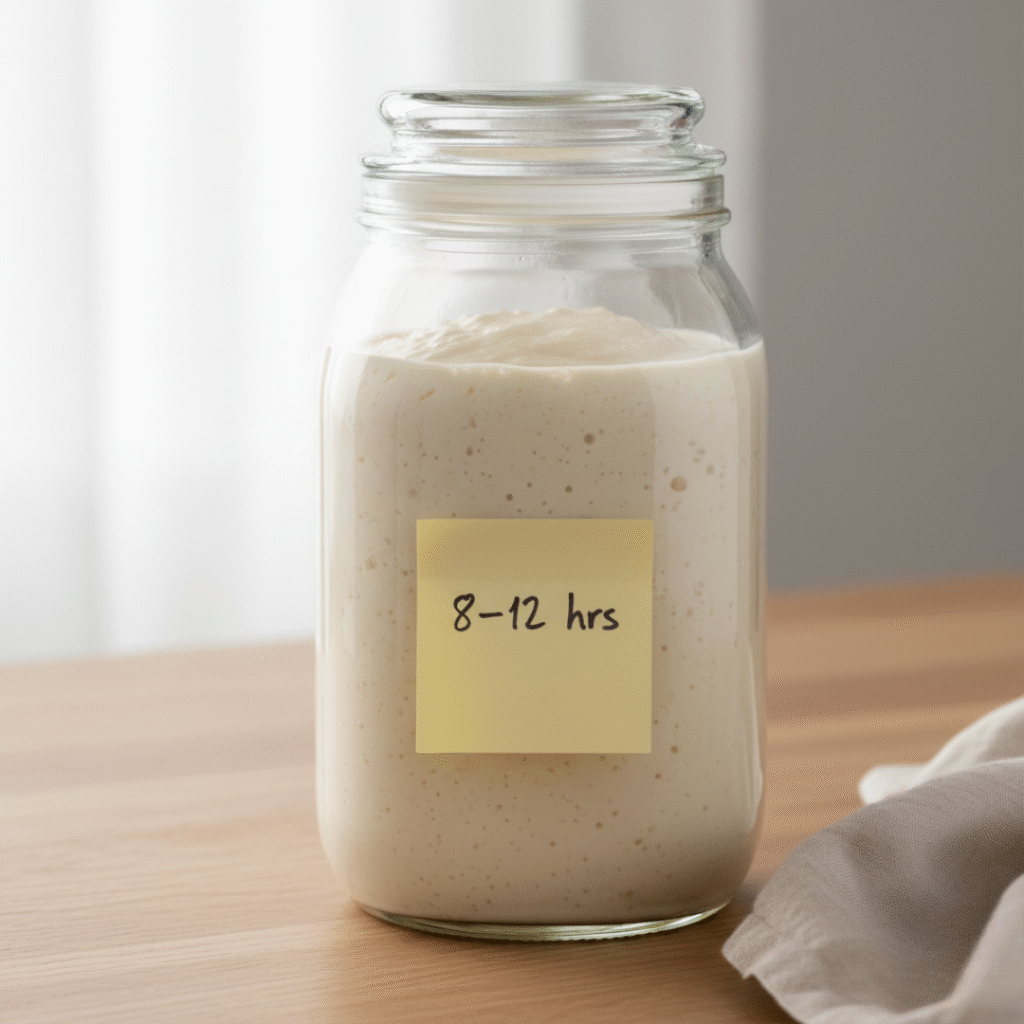
Give it a gentle stir before using. Don’t overmix. You want to keep those air bubbles.
Cooking the Dosa
Heat your griddle or non-stick pan on medium-high heat. It needs to be really hot. Test by sprinkling a few drops of water. They should sizzle and evaporate immediately.
Lower the heat to medium. Pour a ladle of batter in the center. Immediately start spreading it in circular motions from the center outward. Use the back of the ladle. Keep the pressure light. Work quickly.
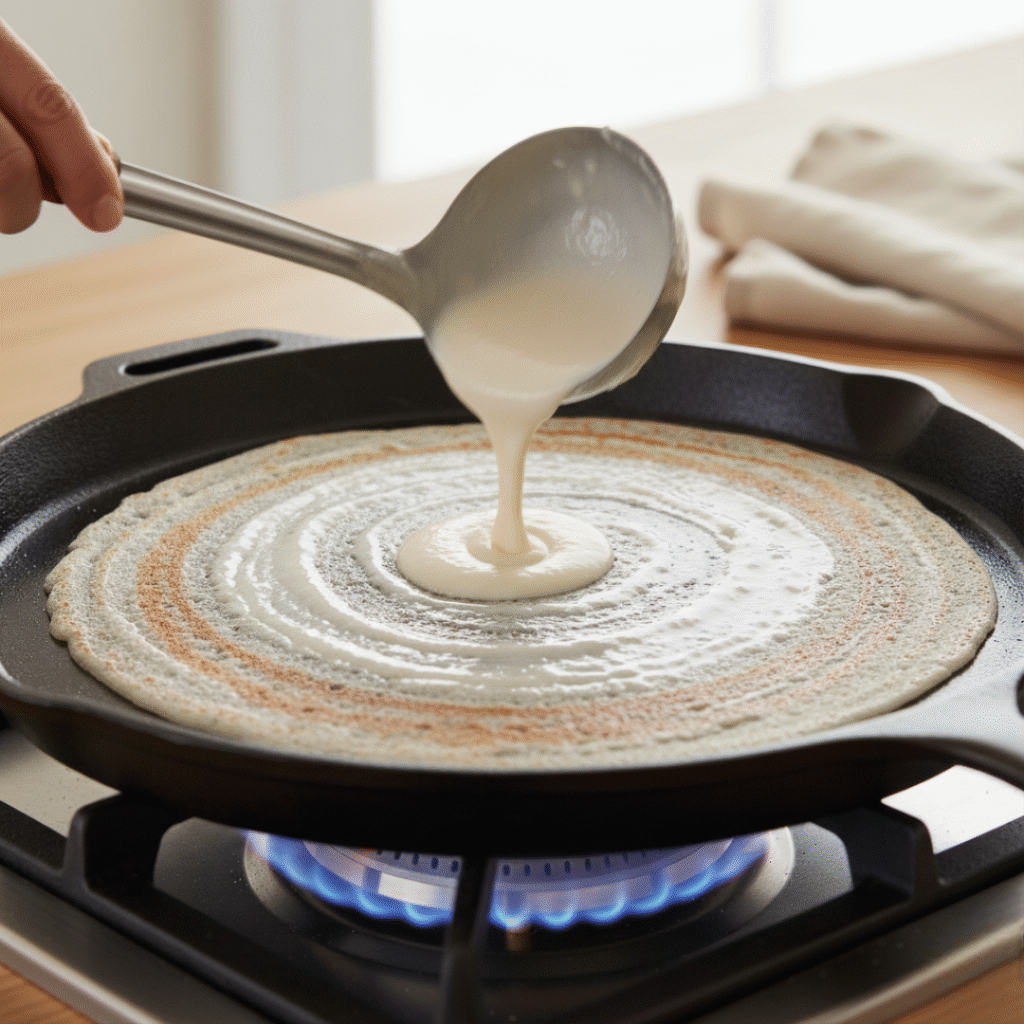
Don’t worry if the first few break. This happens. Your hand needs to learn the motion. The griddle needs to reach the right temperature.
Drizzle a little oil or ghee around the edges. Add a few drops on top too. Let it cook for about 2 minutes. The edges will start lifting up. The surface develops those golden spots.
Check the bottom. Slide a spatula underneath. If it comes off easily, it’s ready to flip. If it sticks, give it 30 more seconds. Flip it over. Cook the other side for just 1 minute. This side cooks faster.
Slide it onto a plate. The first one is done.
Repeat this process. The griddle gets better with each dosa. Your spreading technique improves. By the fifth one, you’ll be making them like a pro.
Three Essential Dipping Sauces
Dosa needs its companions. These three sauces are non-negotiable. Each brings something different to the table.
Coconut Chutney
This is the classic. Cooling, creamy, with a hint of spice.
Ingredients:
- 1 cup fresh coconut (grated)
- 2 green chilies
- 1-inch piece ginger
- 1/4 cup roasted chana dal (or peanuts)
- Salt to taste
- Water as needed
For Tempering:
- 1 tablespoon oil
- 1 teaspoon mustard seeds
- 1 teaspoon urad dal
- Few curry leaves
- 1 dried red chili
Blend coconut, green chilies, ginger, and roasted chana dal with just enough water to make a smooth paste. Add salt. Transfer to a bowl.
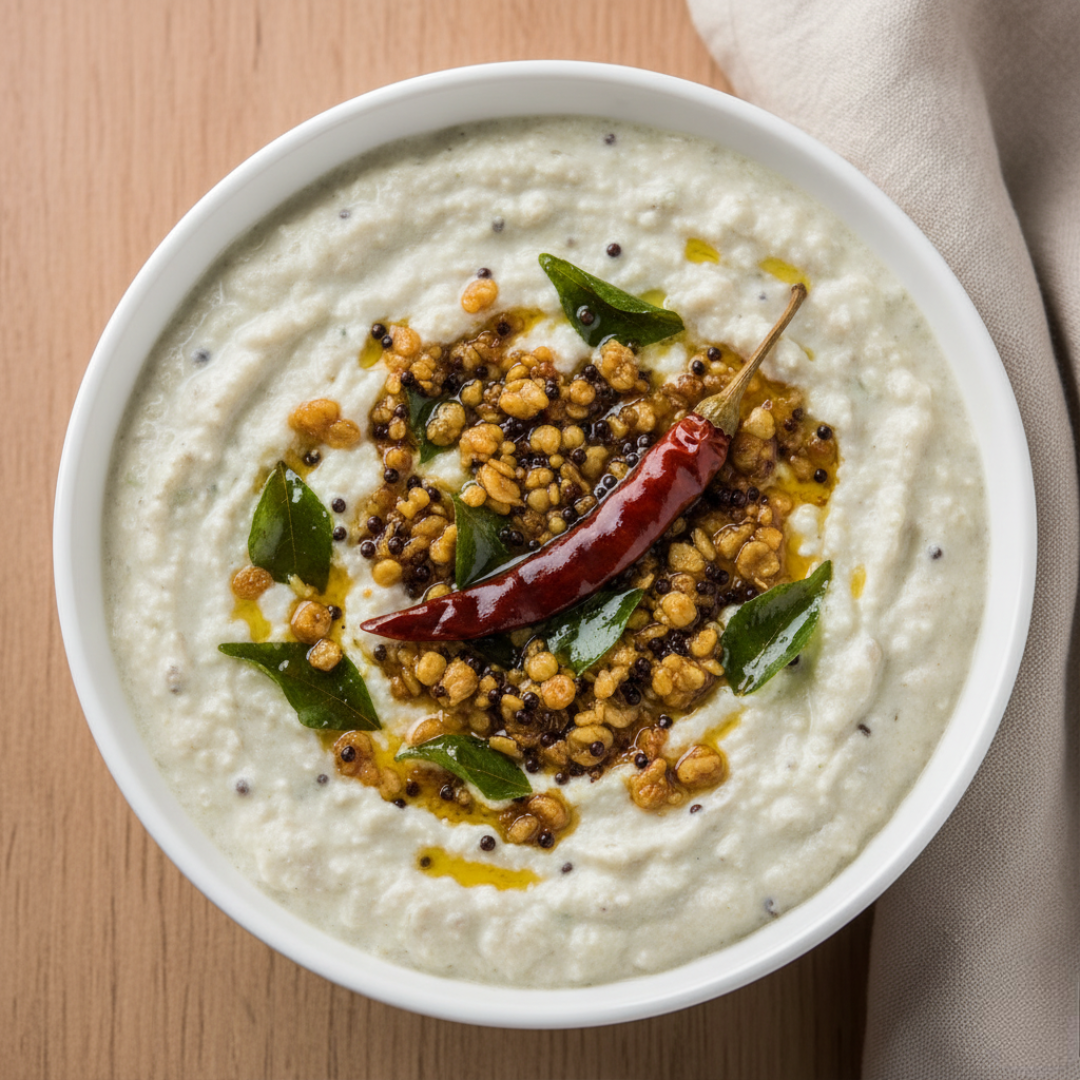
Heat oil in a small pan. Add mustard seeds. When they splutter, add urad dal. Let it turn golden. Add curry leaves and dried chili. Pour this tempering over the chutney. Mix and serve.
The coconut chutney should be thick but spreadable. Not runny. The tempering adds that final layer of flavor that makes it special.
Tomato Chutney
This one brings sweetness and tang. A different flavor profile entirely.
Ingredients:
- 4 medium tomatoes (chopped)
- 2 tablespoons oil
- 1 teaspoon mustard seeds
- 1 teaspoon urad dal
- 2 dried red chilies
- 4-5 garlic cloves
- 1/4 teaspoon asafoetida
- Salt to taste
- 1 teaspoon jaggery (optional)
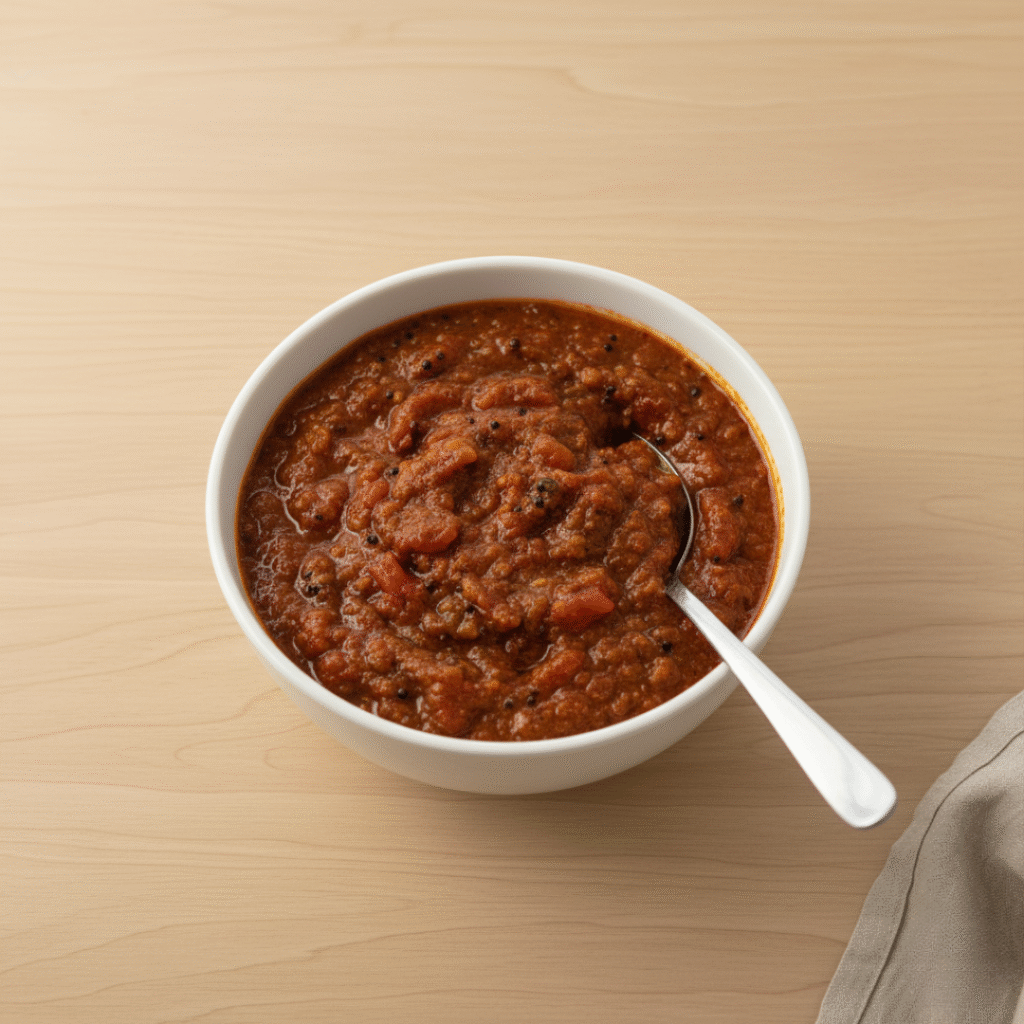
Heat oil in a pan. Add mustard seeds. Let them pop. Add urad dal, dried chilies, and garlic. Fry until garlic turns golden. Add chopped tomatoes and salt. Cook until tomatoes turn mushy. About 8-10 minutes. Add asafoetida. Let it cool slightly.
Blend to a coarse paste. Don’t make it too smooth. Some texture is good. Add jaggery if using. Mix well. The slight sweetness balances the tang perfectly.
Sambar
The soul of South Indian breakfast. Lentils, vegetables, and spices in perfect harmony.
Ingredients:
- 1/2 cup toor dal (pigeon peas)
- 2 cups mixed vegetables (carrots, beans, drumstick, brinjal)
- 1 tomato (chopped)
- 1 onion (chopped)
- 2 tablespoons sambar powder
- 1/4 teaspoon turmeric
- Tamarind paste (lemon-sized ball)
- Salt to taste
For Tempering:
- 2 tablespoons oil
- 1 teaspoon mustard seeds
- Few curry leaves
- 2 dried red chilies
- Pinch of asafoetida
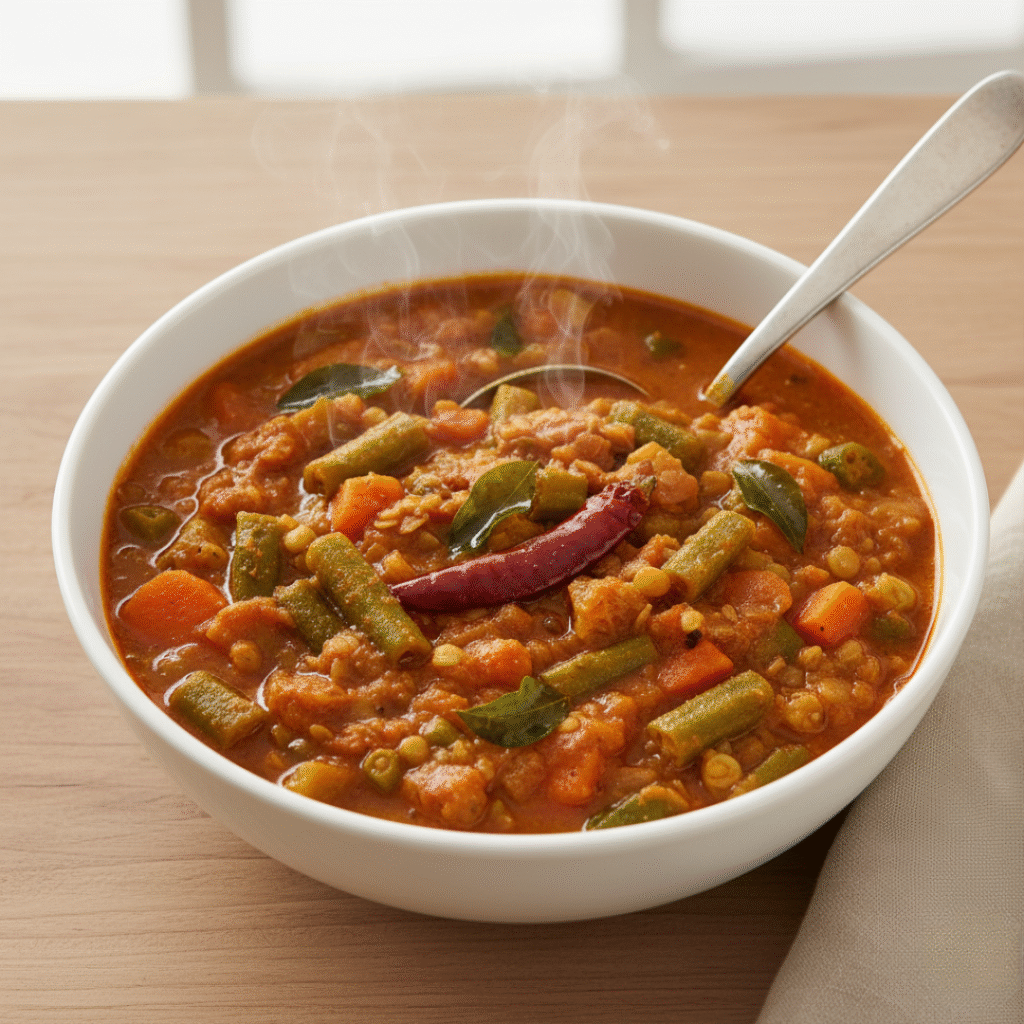
Pressure cook dal with turmeric until soft. Mash it well. In a pot, boil vegetables with tomato, onion, and salt until tender. Add mashed dal to the vegetables. Add sambar powder, tamarind paste, and 2 cups water. Bring to a boil. Simmer for 10 minutes.
Heat oil for tempering. Add mustard seeds. When they crackle, add curry leaves, dried chilies, and asafoetida. Pour into the sambar.
Simmer for another 5 minutes. The sambar should be slightly thick, not watery. Adjust consistency with water if needed.
Pro Tips for Better Dosas
Batter consistency is crucial. If too thick, add water tablespoon by tablespoon. If too thin, let it sit for 30 minutes. Some water will evaporate.
The griddle temperature makes or breaks your dosa. Too hot and it burns. Too cool and it sticks. Medium heat is your friend.
Use a heavy-bottomed pan or iron griddle. They distribute heat evenly. Non-stick works for beginners but iron gives better texture.
Clean the griddle between dosas. Wipe with a cut onion or a damp cloth. This prevents sticking and keeps the surface ready.
Practice the spreading motion. Start from center, move in spiral circles outward. Keep the ladle moving. Don’t press too hard.
Don’t flip too early. Wait for those edges to lift. Patience pays off.
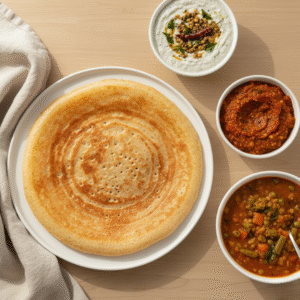
🥞 Dosa with Dipping Sauces – Ingredients & Cooking Method
Equipment
- Wet grinder or blender
- Non-stick pan or iron griddle
- Ladle for spreading
- Large mixing bowls
- Spatula
- Pressure cooker (for sambar)
Ingredients
DOSA BATTER
For the Batter:
- 2 cups parboiled rice idli rice
- ½ cup urad dal
- ¼ teaspoon fenugreek seeds
- Water for soaking & grinding
- Salt to taste
- Oil or ghee for cooking
COCONUT CHUTNEY
Main Ingredients:
- 1 cup fresh coconut grated
- 2 green chilies
- 1- inch piece ginger
- ¼ cup roasted chana dal
- Salt to taste
- Water as needed
For Tempering:
- 1 tablespoon oil
- 1 teaspoon mustard seeds
- 1 teaspoon urad dal
- Few curry leaves
- 1 dried red chili
TOMATO CHUTNEY
Ingredients:
- 4 medium tomatoes chopped
- 2 tablespoons oil
- 1 teaspoon mustard seeds
- 1 teaspoon urad dal
- 2 dried red chilies
- 4-5 garlic cloves
- ¼ teaspoon asafoetida
- Salt to taste
- 1 teaspoon jaggery optional
SAMBAR
Main Ingredients:
- ½ cup toor dal
- 2 cups mixed vegetables
- 1 tomato chopped
- 1 onion chopped
- 2 tablespoons sambar powder
- ¼ teaspoon turmeric
- Tamarind paste lemon-sized
- Salt to taste
For Tempering:
- 2 tablespoons oil
- 1 teaspoon mustard seeds
- Few curry leaves
- 2 dried red chilies
- Pinch of asafoetida
INSTRUCTIONS
- Prepare Batter: Soak rice and urad dal (with fenugreek) separately for 5-6 hours. Grind dal until fluffy (8-10 mins), then rice to a slightly coarse texture. Mix both, add salt, and ferment for 8-12 hours until doubled with bubbles.
- Cook Dosa: Heat griddle on medium-high until water sizzles. Pour ladle of batter in center, spread in circles quickly. Drizzle oil around edges. Cook 2 mins until golden. Flip and cook 1 min. Serve hot with all three sauces.
- Make Coconut Chutney: Blend coconut, green chilies, ginger, and roasted chana dal with water. Transfer to bowl. Temper with mustard seeds, urad dal, curry leaves, and red chili in hot oil. Pour over chutney.
- Make Tomato Chutney: Fry mustard seeds, urad dal, red chilies, and garlic in oil. Add chopped tomatoes, salt, and asafoetida. Cook until mushy (8-10 mins). Cool and blend to coarse paste. Add jaggery if desired.
- Make Sambar: Pressure cook toor dal with turmeric. Boil vegetables with tomato and onion. Mix dal with vegetables, add sambar powder, tamarind, and water. Simmer 10 mins. Temper with mustard, curry leaves, chilies, and asafoetida.
Pro Tips for Perfect Dosa
- Batter consistency should flow like pancake batter – not too thick or watery
- Use parboiled rice (idli rice) for best fermentation and texture
- Fermentation time varies: 8 hours in warm weather, 12+ in cold weather
- First dosa is usually a tester – griddle gets better with each one
- Spread batter quickly in circular motion from center outward
- Don’t flip too early – wait for edges to lift up naturally
Serving Your Dosa Spread
Presentation matters. Not for Instagram. For the experience.Place the dosa on a large plate. Fold it in half or leave it flat. Serve it hot. Really hot. Put small bowls of all three chutneys on the side. Add a small bowl of sambar too. Some people prefer pouring sambar over the dosa. Others like dipping.
A small piece of butter on top of the hot dosa melts and adds richness. Optional but delicious. Filter coffee on the side completes the South Indian breakfast experience. Strong, sweet, milky coffee with crispy dosa. This combination has been perfected over centuries for a reason.
Troubleshooting Common Problems
Dosa sticks to the pan: Your griddle isn’t hot enough, or you’re flipping too early. Also, the batter might need more fermentation.
Batter didn’t ferment: Too cold. Place it in a warmer spot. In winter, try putting it in the oven with just the light on.
Dosas are too thick: You’re spreading too slowly or using too much batter. Use less batter and spread faster.
Not crispy enough: Add a little more rice to your batter next time. Or cook them a bit longer on medium-low heat.
Batter smells too sour: Over-fermented. Still usable, but add a pinch of sugar to balance it out.
FAQS
Can I replace idli rice with normal rice?
The best choice is parboiled rice (idli rice) because it ferments better and provides the right texture. Regular rice can be used but will probably give softer and less crispy dosas. If you want to get the best results, use parboiled or idli rice.
What is the shelf life of the chutneys?
Coconut chutney is good for 1 to 2 days in the refrigerator. Tomato chutney and sambar can last 3 to 4 days when properly refrigerated. Always keep it in airtight containers. Sambar can be heated before serving. Chutneys are most delicious when consumed fresh.
Why doesn’t my dosa batter ferment?
The main reason would be low temperatures. Fermentation needs a warm environment. You can put the batter in an oven that is turned off but with the light on, or in a warm corner of your kitchen. Fermentation during winter could take 15-18 hours instead of the usually required 8-12.
Is it possible to make dosa without fermentation?
Yes, dosa can be made instantly by putting yogurt and baking soda into the batter, and letting it rest for 30 minutes. However, it won’t have that crispy texture and tangy flavor which you get from the fermented batter. Always prefer traditional fermented dosa as it is better in every way.
Why does my dosa batter stick to the pan?
There could be a number of reasons: the pan isn’t hot enough, you’re flipping too early, or the batter is lacking in fermentation. Make certain that your griddle is heated sufficiently before you pour in the batter. Also, between dosas, wipe the pan with the cut onion or damp cloth!
What are the ways to prepare dosa to be crispy?
If you take the right rice-to-dal ratio (4:1), ensure the fermentation is proper, spread the batter thinly, and cook over medium heat, then use a lot of oil or ghee. Plus, don’t put too many in the pan – make 1-2 dosas at a time for the best results.
What should I do if my batter is too thick or too thin?
If the batter is too thick then add water slowly and see if it flows like pancake batter. If too thin, then add a little rice flour or let it sit uncovered for 30 minutes so some moisture evaporates. The batter must coat the back of a spoon but still flow smoothly.
Why This Recipe Works
The 4:1 rice to dal ratio creates the perfect texture. The dal adds protein and helps with fermentation. The rice gives structure and crispiness. Fenugreek seeds might seem like a small detail, but they help fermentation and add subtle flavor. Don’t skip them.
Soaking overnight allows the grains to absorb water. This makes grinding easier and improves fermentation. The three sauces aren’t random. Coconut chutney cools. Tomato chutney adds tang. Sambar brings warmth and spice. Together, they create a complete flavor experience.
Final Thoughts
Making dosa at home connects you to a tradition that goes back centuries. Every dosa you flip carries that history. The technique passed down through generations. The same methods, the same flavors.
Your first batch might not be perfect. Maybe the spreading needs work. Maybe the temperature was off. That’s completely normal. Every dosa maker started somewhere.
But that first perfectly crispy dosa you pull off the griddle? The one that cracks when you bite it? That moment makes all the practice worth it.
So soak that rice tonight. Let the batter ferment tomorrow. Heat up your griddle. Make some chutneys. And experience what millions of people start their mornings with across South India.
The dosa is waiting. Your kitchen is ready. Time to make some magic happen.