
Ever wondered why bakery jelly donuts taste so good? The secret isn’t magic – it’s just knowing the right steps. Making how to make jelly donuts at your own kitchen counter turns out way easier than most folks think. You get that perfect balance: crispy outside, pillowy soft inside, plus that sweet jelly surprise when you bite down.
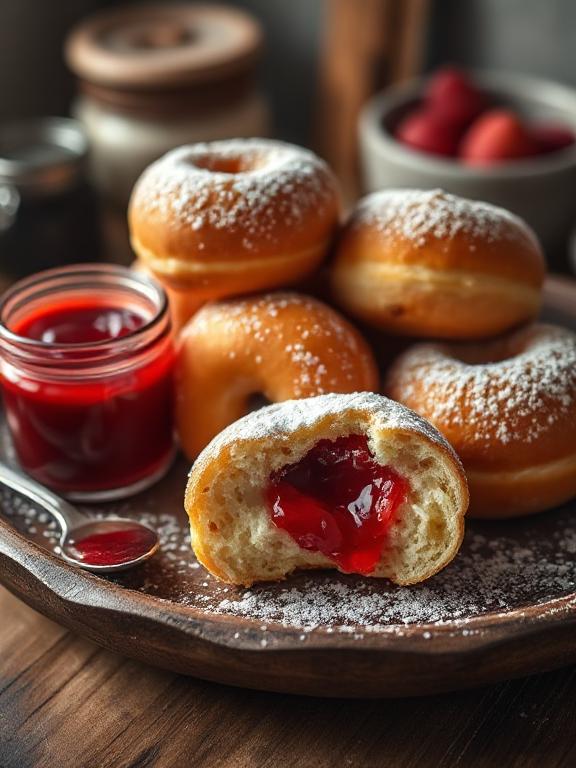
Honestly, store-bought donuts can’t compete with fresh ones. When you make them yourself, you control what goes in. No weird chemicals or day-old taste. Just pure, delicious donut goodness that fills your kitchen with amazing smells.
Getting Your Stuff Together
Before jumping in, grab everything you need. Nothing’s worse than halfway through realizing you’re missing something important.
What Goes in the Donuts:
- Regular flour, about 3 cups
- Sugar, just 1/4 cup
- One packet of yeast from the store
- A teaspoon of salt
- Half cup of milk, warmed up
- 3 egg yolks (toss the whites or save for scrambled eggs later)
- 3 tablespoons butter, melted down
- Vanilla extract, one teaspoon
- Lots of oil for the frying part
For the Good Stuff Inside:
- Your favorite jelly, one cup should do it
- Powdered sugar to dust on top
Tools That Actually Help:
- Big bowl for mixing
- Heavy pot that’s deep enough
- Thermometer so you don’t guess oil temperature
- Something to squeeze jelly with (plastic bottle works fine)
- Round cookie cutter or even a clean glass
- Long toothpick or chopstick
- Bunch of paper towels
Making the Basic Dough
Warm your milk until it feels nice, not burning hot. Sprinkle some sugar in there, then dump the yeast on top. Walk away for ten minutes. When you come back, it should look foamy and alive.
Mix your flour, leftover sugar, and salt in that big bowl. Make a crater in the middle and pour everything else in – the bubbly milk stuff, egg yolks, melted butter, and vanilla. Stir it around until it looks like actual dough.
Now comes the workout part. Dump it on your counter (put some flour down first) and start kneading. Push, fold, turn, repeat. About ten minutes of this and you’ll have smooth, stretchy dough that bounces back when you poke it.
Quick Guide
Table of Contents
The Waiting Game
Plop your dough in a greased bowl and flip it around so all sides get oily. Cover with a damp towel and stick it somewhere warm. Your sunny windowsill works great. Wait about an hour until it doubles up.
When it’s puffy enough, punch it down – satisfying, right? Roll it flat with whatever rolling thing you have. Half-inch thick does the trick. Cut out circles and lay them on paper-covered trays.
Cover these future donuts and wait another 30-45 minutes. They’ll puff up again, getting ready for their oil bath.
The Frying Business
This part needs attention. Heat your oil to 350 degrees – use that thermometer! Too hot burns the outside while leaving raw dough inside. Too cold makes greasy, sad donuts that nobody wants.
Drop just a few donuts in at once. Crowding cools down the oil and messes everything up. Each side needs about 2-3 minutes until they’re golden brown and gorgeous.
Fish them out with a slotted spoon and let them drain on paper towels. Fight the urge to eat them immediately – they need to cool down for the filling step.
Getting Jelly Inside
Here’s where it gets fun. Take your long pointy thing (chopstick works perfectly) and poke a hole in each donut’s side. Go halfway through, no further, or you’ll have jelly leaking everywhere.
Fill whatever squeezy container you’re using with jelly. Stick the tip in the hole and squeeze slowly. You’ll feel when it’s full – there’s a little resistance. Don’t overstuff or you’ll have explosions later.
Picking Your Jelly
Strawberry remains the classic choice, but why stop there? Raspberry adds tartness that cuts through all that sweetness. Grape works great for kids. Apricot feels fancy and grown-up.
The trick is thickness. Runny jelly makes soggy donuts and creates messes. Stick with preserves that actually stay put. Some people go crazy and use chocolate spread or even peanut butter – your donuts, your rules.
Keeping Them Fresh
These taste incredible right after making, but life happens. Room temperature in a covered container keeps them good for two days. Hot, humid weather calls for refrigerator storage, where they’ll last nearly a week.
Freezing works surprisingly well. Wrap each one individually in plastic wrap, then bag them up. Two months later, they still taste great after thawing. Some people warm them slightly in the oven afterward.
Where This All Started
Jelly donuts aren’t some modern invention. Europeans were making similar treats centuries ago. Germans had their Berliners, Polish folks made pączki, and Austrians created Krapfen. Different names, same delicious idea.
When people moved from Europe to America, they packed their recipes along with everything else. Over time, these became the jelly donuts we recognize today. Jewish communities especially embraced them, making sufganiyot for Hanukkah celebrations.
Tricks That Actually Work
Oil temperature matters more than anything else. Get a decent thermometer and use it. Guessing leads to disappointment.
Don’t rush the rising parts. Yeast needs time to work its magic. Cold kitchens slow things down, so find a warm spot. Some people turn their oven on briefly, then shut it off and use that warmth.
Quality ingredients taste better. Real butter beats margarine every time. Good vanilla extract costs more but makes a difference. Same goes for your jelly choice.
When filling, less beats more. Overstuffed donuts explode and create sticky disasters.
When Things Go Wrong
Heavy, dense donuts usually mean the oil wasn’t hot enough or the dough didn’t rise properly. Check your yeast expiration date – dead yeast makes disappointing donuts.
Greasy results point to cool oil temperatures. Donuts should sizzle when they hit the oil and cook quickly.
Uneven browning happens when oil temperature bounces around or you crowd too many donuts together. Patience pays off here.
Making It Your Own
Once you’ve mastered basic homemade jelly filled donuts, experiment begins. Lemon curd instead of jelly tastes amazing. Chocolate ganache appeals to serious chocolate lovers. Vanilla pudding works for something different.
Try rolling finished donuts in cinnamon sugar instead of powdered sugar. Some people dip them in chocolate glaze. Others skip sugar completely and let the jelly sweetness shine.
Mini donuts cook faster and disappear even quicker at parties. Bigger ones hold more filling but need longer frying time.
Safety Stuff Nobody Talks About
Hot oil deserves serious respect. Keep kids far away and have pot lids ready for emergencies. Never walk away from heating oil – fires start fast.
Long-handled utensils prevent burns. Have paper towels ready before you start frying. Good ventilation helps with oil smoke and smells.
Why Bother Making Your Own?
Store donuts sit around for who knows how long. Yours are fresh, made with ingredients you actually recognize. Plus, the house smells incredible while you’re making them.
How to make homemade jelly donuts becomes easier each time you try it. The first batch might not look perfect, but they’ll still taste great. Practice makes better donuts.
Kids love helping with the non-dangerous parts. They can help roll dough, cut circles, and definitely help with quality testing afterward.
Can you freeze donuts? Yes, but with conditions. Plain unfilled donuts freeze excellently for up to 3 months when properly wrapped. Wrap individually in plastic wrap, then place in freezer bags. Remove air to prevent freezer burn. However, filled donuts don’t freeze well – the jelly becomes watery and separates when thawed. Best practice is to freeze plain donuts and add filling after thawing
Planning Your Donut Day
This isn’t a quick fifteen-minute project. Plan for several hours because of rising time. Active work time is much shorter, but timing matters.
Start early if you want fresh donuts for breakfast. Late afternoon works for evening treats. Weekend mornings give you plenty of time without rushing.
Make sure your yeast is fresh before starting. Nothing’s more frustrating than flat dough because your yeast died months ago.
Questions People Always Ask
How long do these donuts stay good?
Two days at room temperature in a covered container, or almost a week in the refrigerator.
Can I freeze them for later?
Absolutely! Wrap each one in plastic wrap and freeze for up to two months. Thaw completely before eating.
Do they need refrigerator storage
Only in really hot weather or if you used fresh fruit fillings. Otherwise, counter storage works fine.
What jelly works best?
Thick strawberry jam is traditional, but any thick preserve works. Avoid runny jellies that leak out.
How do I fill them without making a mess?
Poke gentle holes with something long and thin, then fill slowly with a squeeze bottle until you feel resistance.
Who came up with jelly donuts originally?
European bakers centuries ago created early versions that evolved into today’s jelly donuts through immigrant influence in America.
Final Thoughts on Homemade Donuts
Learning how to make jelly filled donuts opens up endless possibilities. Master the basic technique, then go wild with flavors and fillings. These beat any bakery version because they’re made exactly how you like them.
The process requires some patience, especially with rising times, but the results justify every minute. Fresh, warm donuts filled with your favorite jelly create moments worth remembering.
Don’t expect perfection on your first attempt. Even imperfect homemade donuts taste better than perfect store-bought ones. Each batch teaches you something new about timing, temperature, or technique.
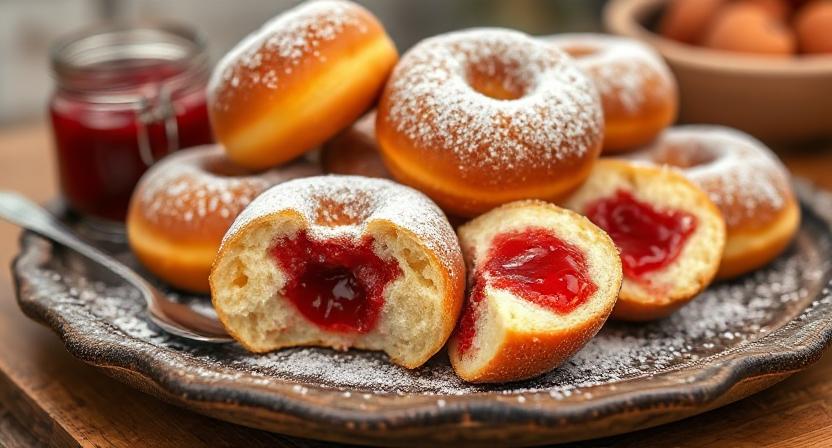
How to Make Jelly Donuts Easy Recipe
Equipment
- Large mixing bowl
- Heavy pot (deep enough for frying)
- Cooking thermometer (keeps oil at right temp)
- Round cookie cutter or even a glass
- Squeeze bottle / piping bag (for filling)
- Chopstick or skewer (to poke holes)
- Paper towels
Ingredients
For the dough:
- 3 cups all-purpose flour
- ¼ cup sugar
- 1 packet instant yeast about 2 ¼ tsp
- 1 tsp salt
- ½ cup warm milk not hot, just cozy warm
- 3 egg yolks
- 3 tbsp melted butter
- 1 tsp vanilla extract
- Oil for frying neutral oil like canola or sunflower works best
For filling & topping:
- 1 cup thick jelly/jam strawberry is classic, but raspberry, grape, or apricot work great
- Powdered sugar for dusting
INSTRUCTIONS
Make the Dough
- Warm the milk and mix with a pinch of sugar. Sprinkle yeast on top, let it sit 10 minutes until foamy. In a bowl, add flour, rest of sugar, and salt. Make a small well, pour in yeast mix, egg yolks, butter, and vanilla. Stir until dough forms. Knead 8–10 minutes until smooth and springy.
Let It Rise
- Place dough in a greased bowl, cover with a damp cloth. Let it rise in a warm spot for about 1 hour (till doubled). Punch it down, roll out to ½-inch thickness, and cut circles. Put on parchment paper, cover again, and rise another 30–40 minutes.
Fry the Donuts
- Heat oil to 350°F (use thermometer!). Fry donuts in small batches, 2–3 minutes per side, until golden brown. Drain on paper towels.
Fill With Jelly
- Cool slightly. Poke a hole with a chopstick halfway inside. Use squeeze bottle/piping bag to fill each donut with jelly—don’t overdo it or they’ll burst.
Finish
- Dust with powdered sugar and enjoy while still warm. Pure heaven!
Notes
- Best eaten fresh, but can last 2 days at room temp in a covered container.
- Fridge storage works for about a week if it’s hot/humid.
- Freezing tip: Freeze plain donuts (without jelly) for up to 2 months. Thaw, then fill before serving.
- Flavor twist: Try lemon curd, chocolate ganache, or even vanilla pudding as filling.
Leave a Comment