
Pizza Margherita seems simple. Like stupidly simple. You’ve got dough, you’ve got tomato sauce, you’ve got mozzarella, you’ve got basil. That’s it. Four ingredients basically. But that’s exactly why it’s hard to do well. When you only have four ingredients, you can’t hide. Everything has to be good.
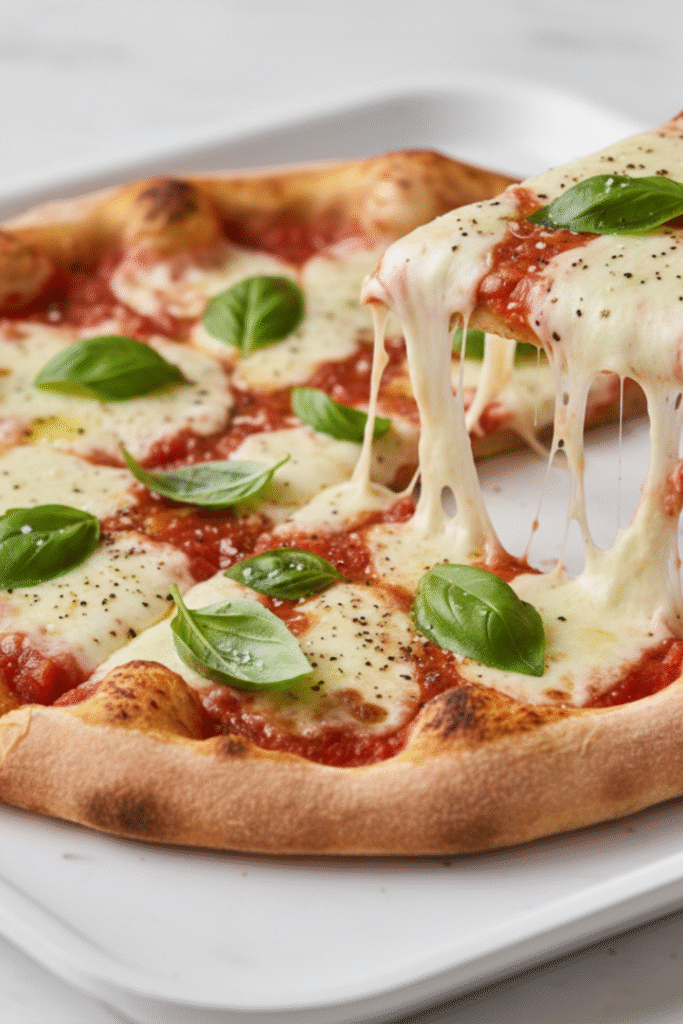
The beauty of Margherita pizza is that it’s basically the purest form of pizza. No meat hiding things. No crazy toppings. Just quality ingredients and proper technique. Get those right and you’ve got something that tastes like it came from a proper Italian pizzeria. Get them wrong and it’s mediocre.
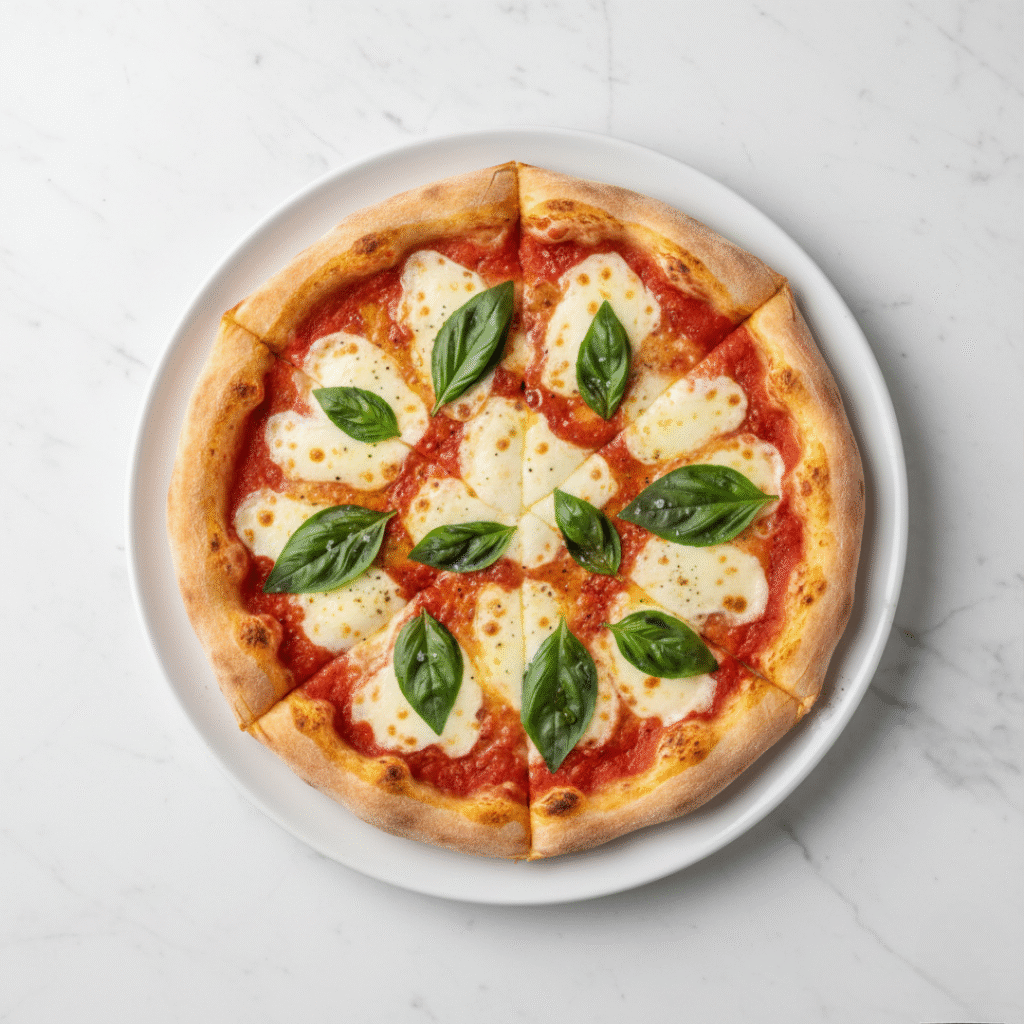
This guide walks you through making authentic Pizza Margherita at home.
Not some complicated version. The real thing. Fresh tomatoes, fresh mozzarella, fresh basil, good dough. That’s what makes it work. The kind of pizza that looks beautiful on a white plate and tastes like you know what you’re doing.
What Makes Real Margherita Pizza Different
Real Pizza Margherita isn’t about fancy technique. It’s about respecting the ingredients. Good dough that’s been given time to develop. Quality tomatoes that taste like tomatoes. Fresh mozzarella that’s actually fresh. Fresh basil that’s alive, not old and sad.
The thing about Margherita is it teaches you something important about cooking. When you don’t have a lot of ingredients, they have to be good. You can’t get away with mediocre tomatoes or old basil. Everything matters.

The balance matters too. The sauce, the cheese, the dough. They all have to be in proportion. Too much sauce and you overwhelm the mozzarella. Too much cheese and you lose the tomato flavor. Get the balance right and it all just works.
Different Pizza Recipes You Should Try
Before we dive into Margherita, there’s tons of other pizza styles worth exploring. Classic Chicago deep-dish pizza which is basically a savory pie with thick fluffy dough and tons of cheese. Neapolitan which is similar to Margherita but cooked differently.
Margherita with burrata which uses creamy burrata instead of regular mozzarella. Four Cheese pizza which is multiple cheeses working together. Bianca which is white pizza without tomato sauce. Marinara which is tomato, garlic, and oregano but no cheese. Prosciutto and arugula which is simple but elegant. Roasted vegetable pizza. BBQ chicken pizza. Truffle pizza for fancy occasions. Seafood pizza. Detroit style pizza which is rectangular and crispy. Each style has its own thing going on.
What You Actually Need to Make Pizza Margherita
Let’s talk about what goes into this because ingredient quality actually matters here.
For the dough, you need 3 cups of all-purpose flour. You need 1 teaspoon of salt. You need 1 teaspoon of instant yeast. You need 1 tablespoon of sugar. You need 2 tablespoons of olive oil. You need 1 cup of warm water. This makes enough dough for two pizzas or one larger one.
For the sauce, you need good quality canned tomatoes or fresh tomatoes if they’re in season. About 400 grams. You need 2 cloves of fresh garlic minced. You need 1 tablespoon of good olive oil. You need salt and pepper. You need maybe 1/2 teaspoon of dried oregano. That’s it. The sauce is super simple.
For the toppings, you need fresh mozzarella. And this is important. Not regular mozzarella. Fresh mozzarella. The kind that comes in water. About 250 grams per pizza. You need fresh basil. Like really fresh. A bunch of it. You need good olive oil for drizzling. You need salt and pepper.
For the oven, ideally you want a pizza stone or at least a baking sheet. A preheated stone creates better crust.
Actually Making Pizza Margherita
Make Your Dough
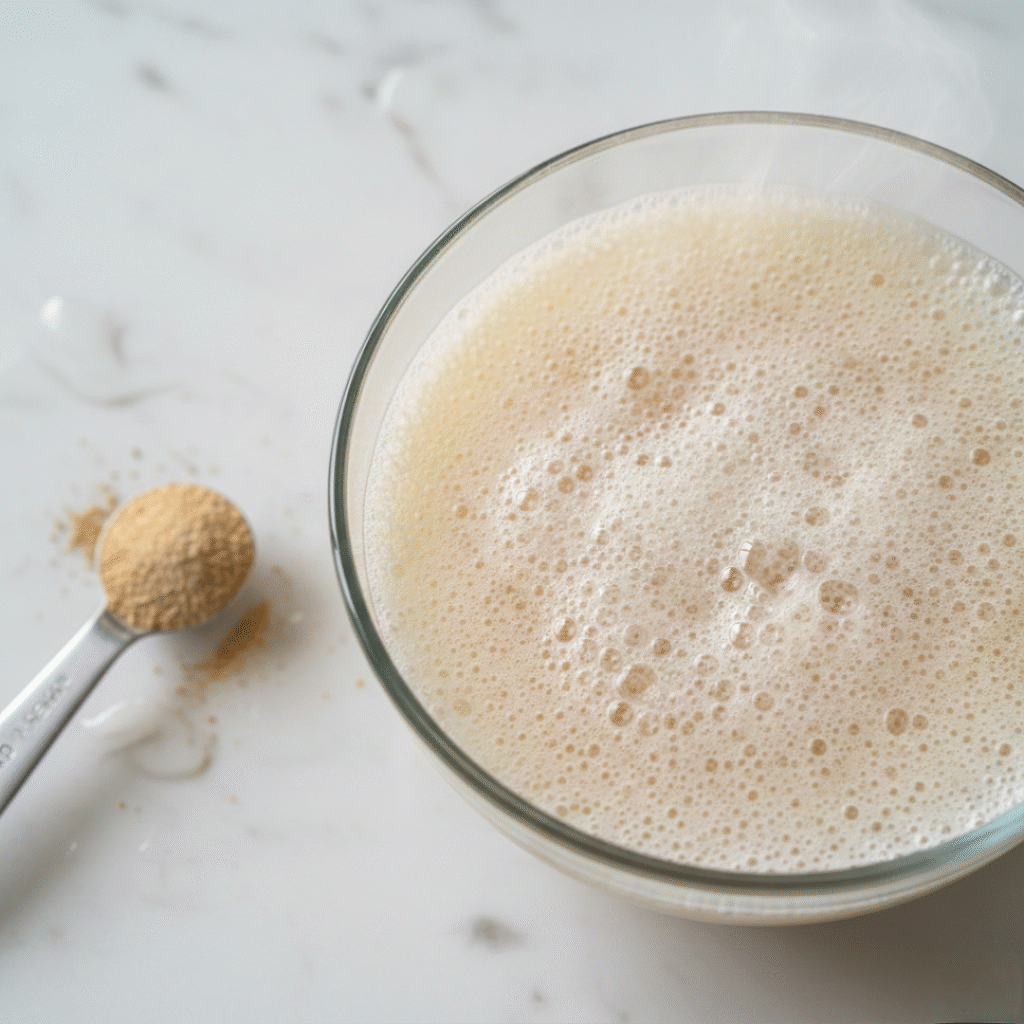
Pour warm water into a bowl. Add sugar and yeast. Let it sit for about 5 minutes. You should see it get foamy. This means your yeast is alive.
In another bowl, mix your flour and salt together.
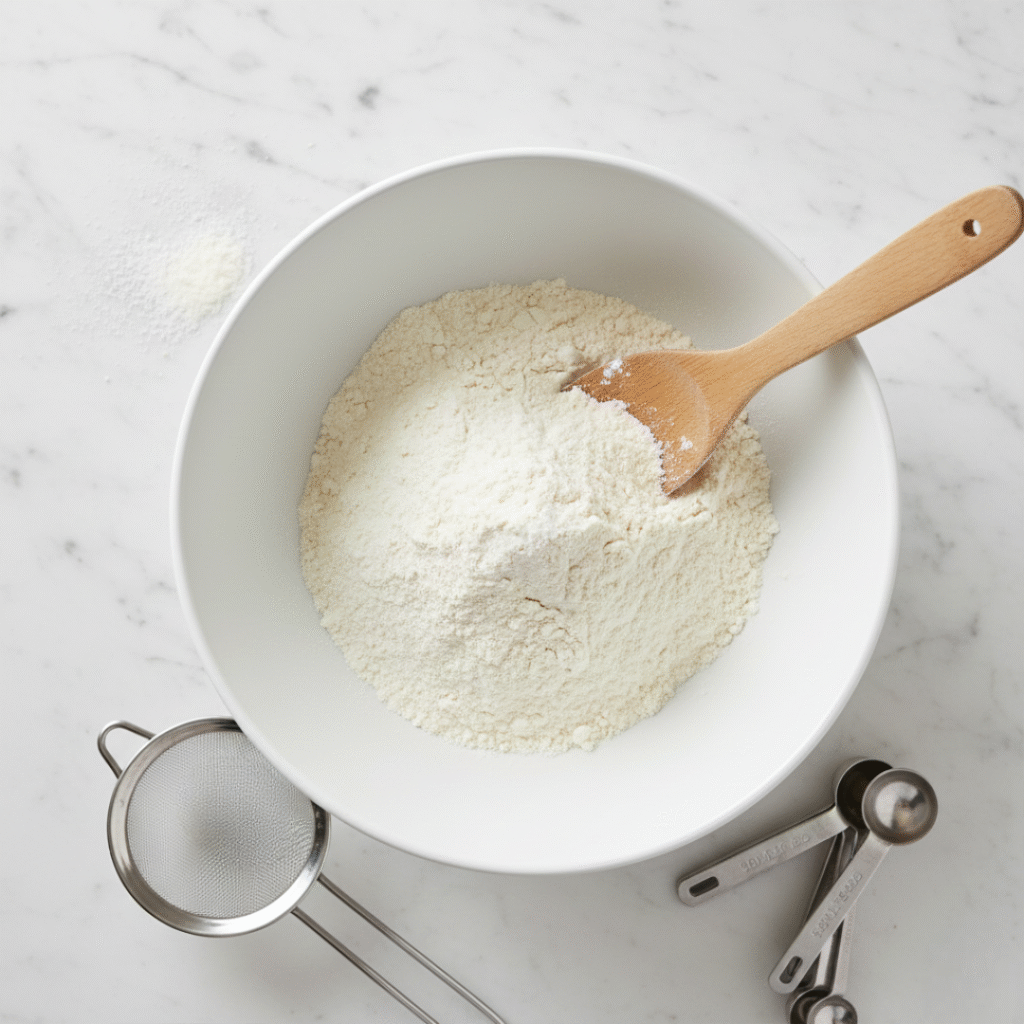
Pour the yeast mixture into the flour.
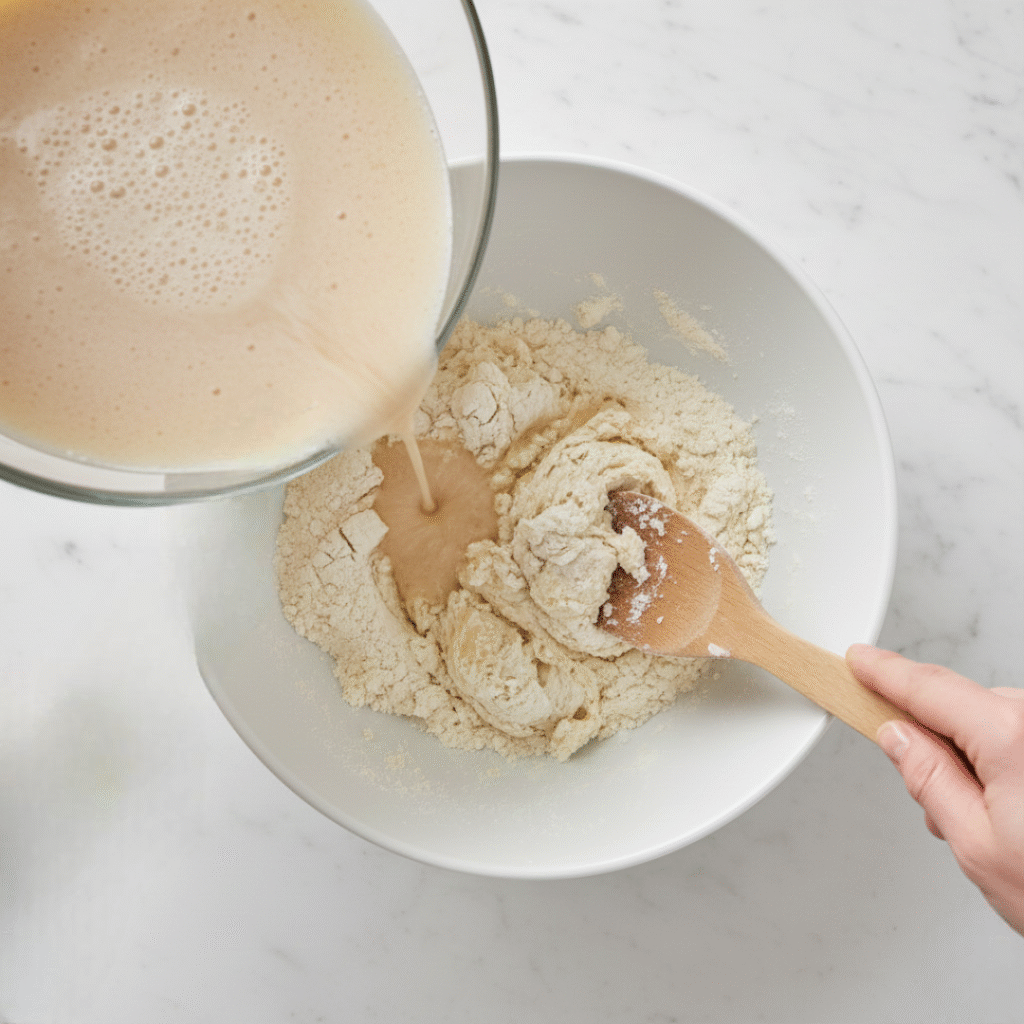
Add your olive oil. Mix it all together until it comes together into a shaggy dough.
Get your dough onto a clean counter. Knead it for about 8 to 10 minutes. You’re looking for it to go from rough to smooth and elastic. When you poke it, it should spring back. The dough is ready when it’s soft but not sticky.
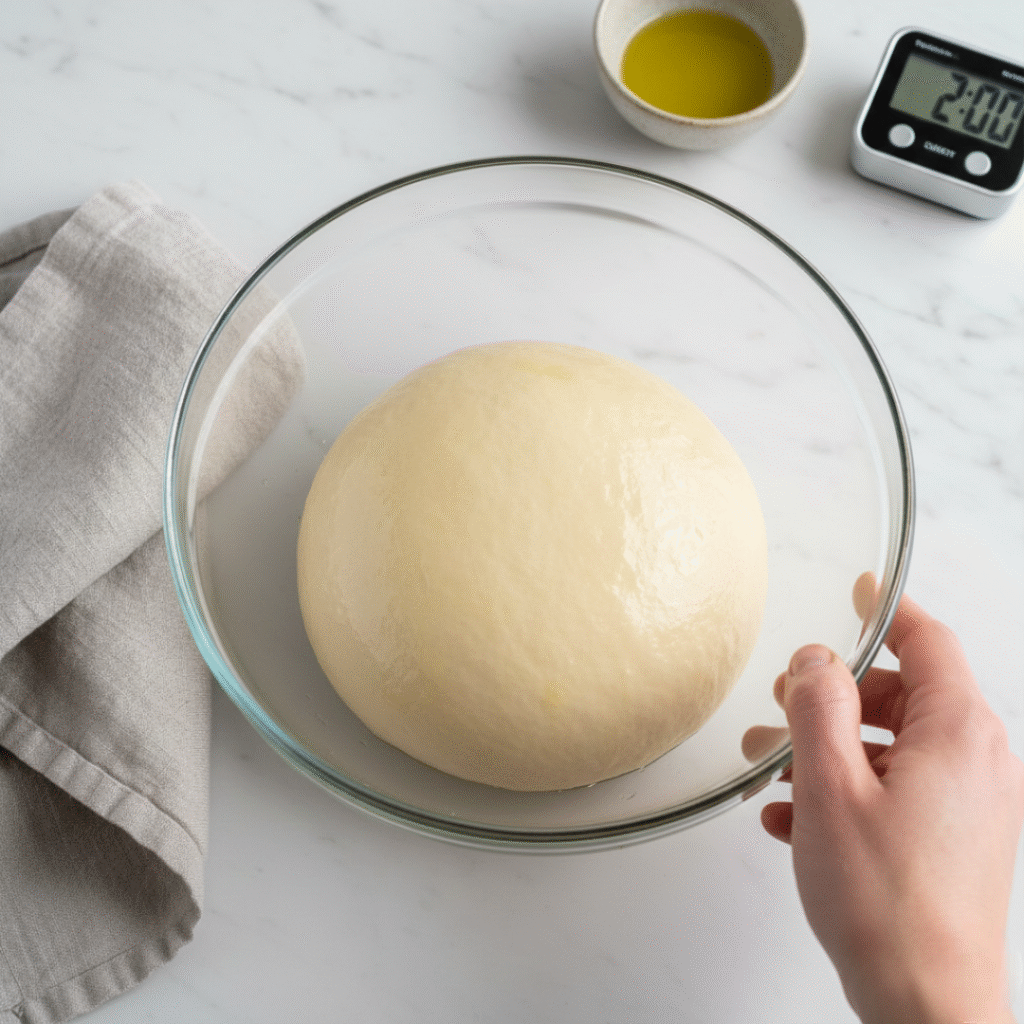
Oil a bowl. Put your dough in there. Turn it to coat with oil. Cover with a damp towel. Let it rise for at least 2 hours at room temperature. Or refrigerate overnight. The longer rise develops better flavor.
Make Your Sauce
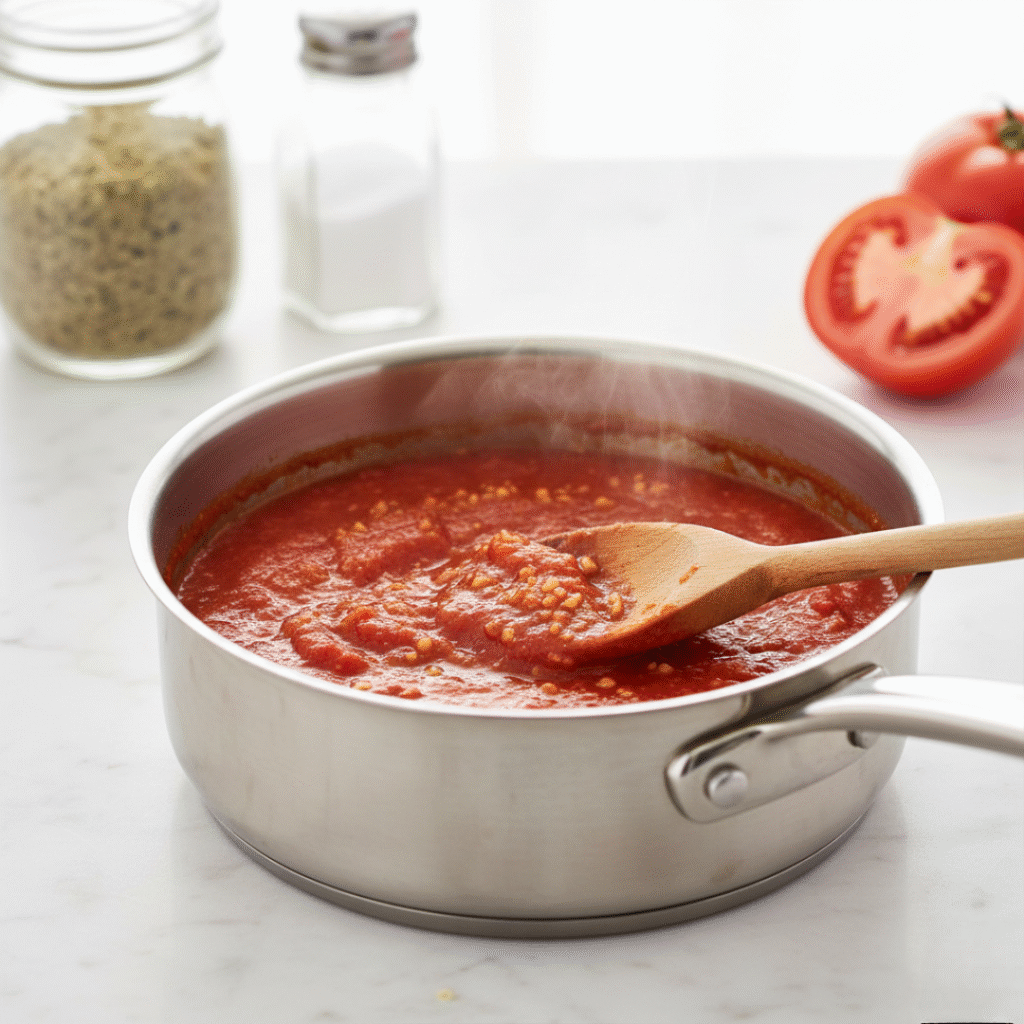
Heat your olive oil in a pan over medium heat. Add your minced garlic. Let it cook for about 1 minute. You want it fragrant but not brown.
Pour in your tomatoes. Add salt, pepper, and oregano. If you’re using fresh tomatoes, roughly chop them first. Let the sauce simmer for about 15 to 20 minutes. You want the flavors to come together. The sauce should reduce a bit.
Taste it. Add more salt if needed. Add more oregano if needed. The sauce should taste like tomato and garlic, nothing else. Don’t overcomplicate it.
Prepare Your Ingredients
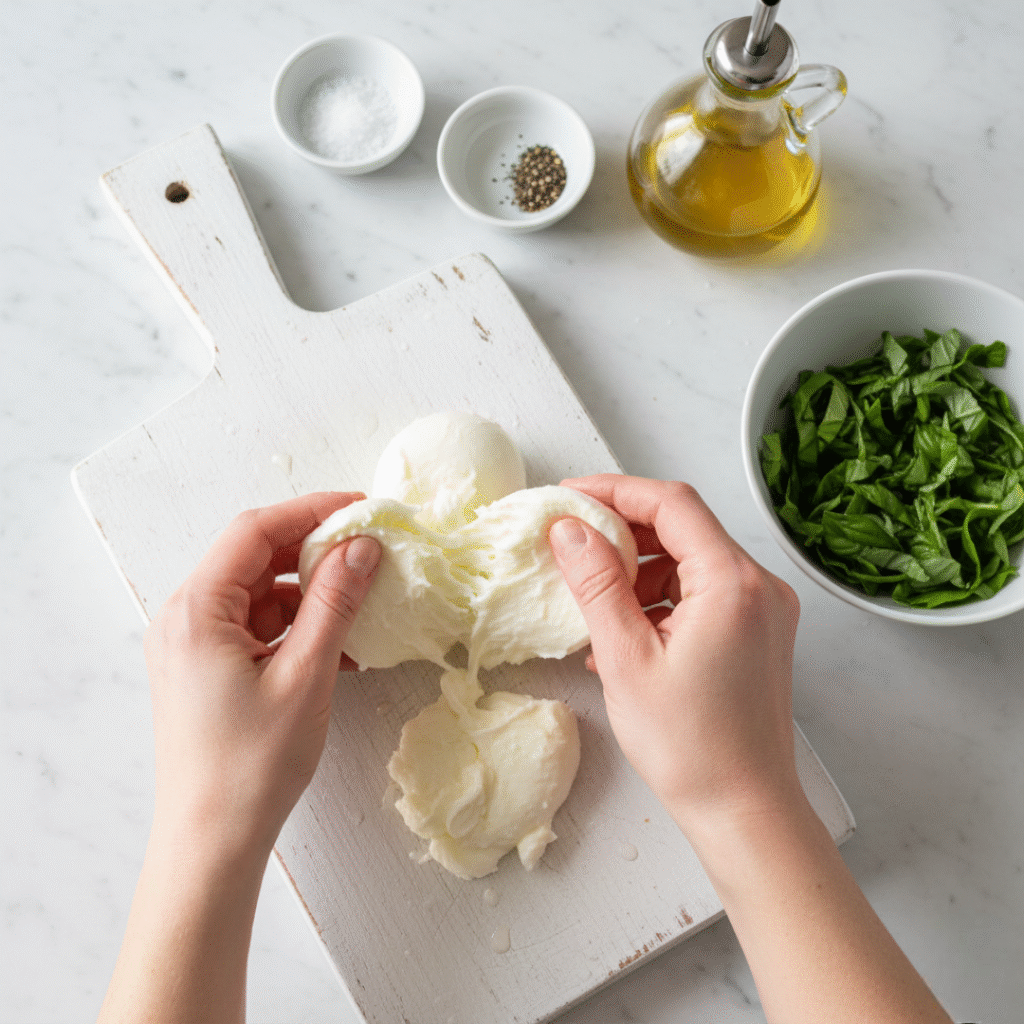
Have everything prepped before you start shaping dough. Tear your fresh basil into pieces. Don’t chop it. Tearing is gentler on the leaves. Have your mozzarella at room temperature. Cold mozzarella won’t melt properly. Have your olive oil ready. Have salt and pepper ready.
Shape Your Dough
Take your risen dough out of its bowl. Gently work it on a clean counter. Don’t punch it down aggressively. You want to keep some of the air in there.
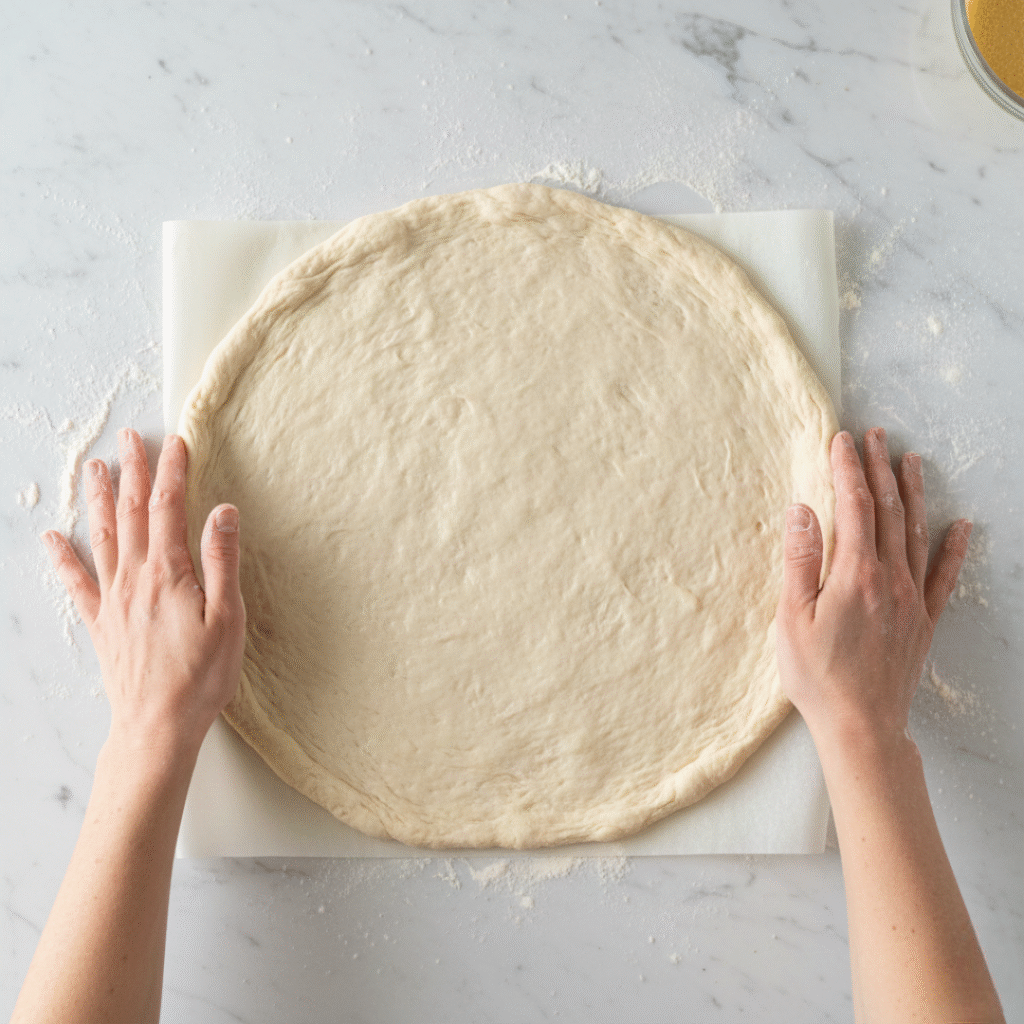
Stretch the dough gently from the center outward. Get it to about 12 to 14 inches. It doesn’t have to be a perfect circle. Rustic is fine. If the dough springs back, let it rest for a minute and try again.
If you’re using a pizza stone, put the dough on a piece of parchment paper. If you’re using a baking sheet, put the dough right on there.
Sauce Your Pizza
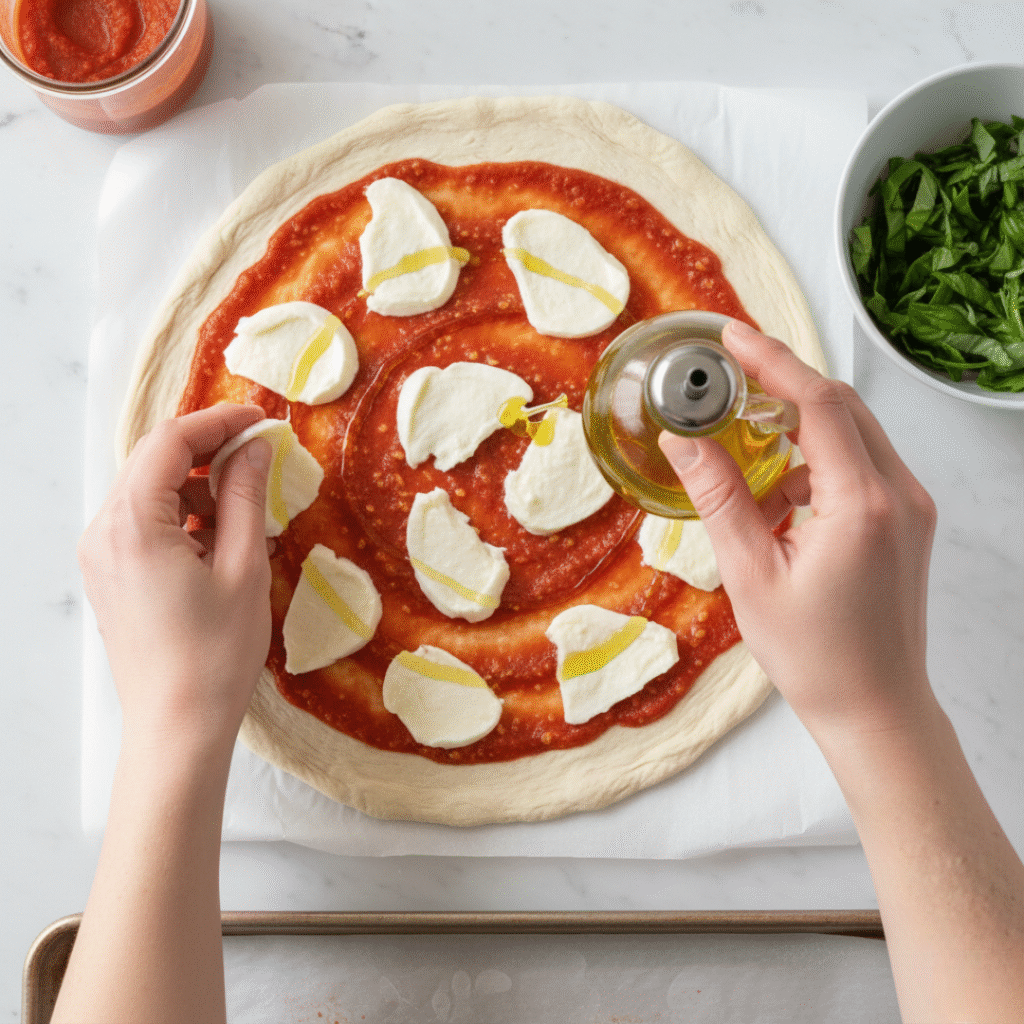
Spoon your tomato sauce onto the dough. Don’t use too much. You should be able to see some dough around the edges. The sauce should cover most of the pizza but not be drowning it. About 1/2 cup per pizza.
Use the back of a spoon to spread the sauce gently. You’re trying to distribute it evenly without pressing down too hard on the dough.
Add Your Cheese
Tear your fresh mozzarella into chunks. Distribute it over the sauce. Don’t use too much. You want to see sauce and some dough still. The mozzarella should be in pieces, not spread out. This is different from melted mozzarella pizza. The pieces stay somewhat distinct.
Drizzle a little olive oil over the top. About 1 tablespoon total per pizza. This helps the crust get crispy.
Bake Your Pizza
Preheat your oven to 475°F. If you’re using a pizza stone, let it preheat for at least 30 minutes.
Put your pizza in the oven. If you’re using parchment paper on a stone, slide it off the parchment after about 2 minutes so the crust can crisp up underneath.
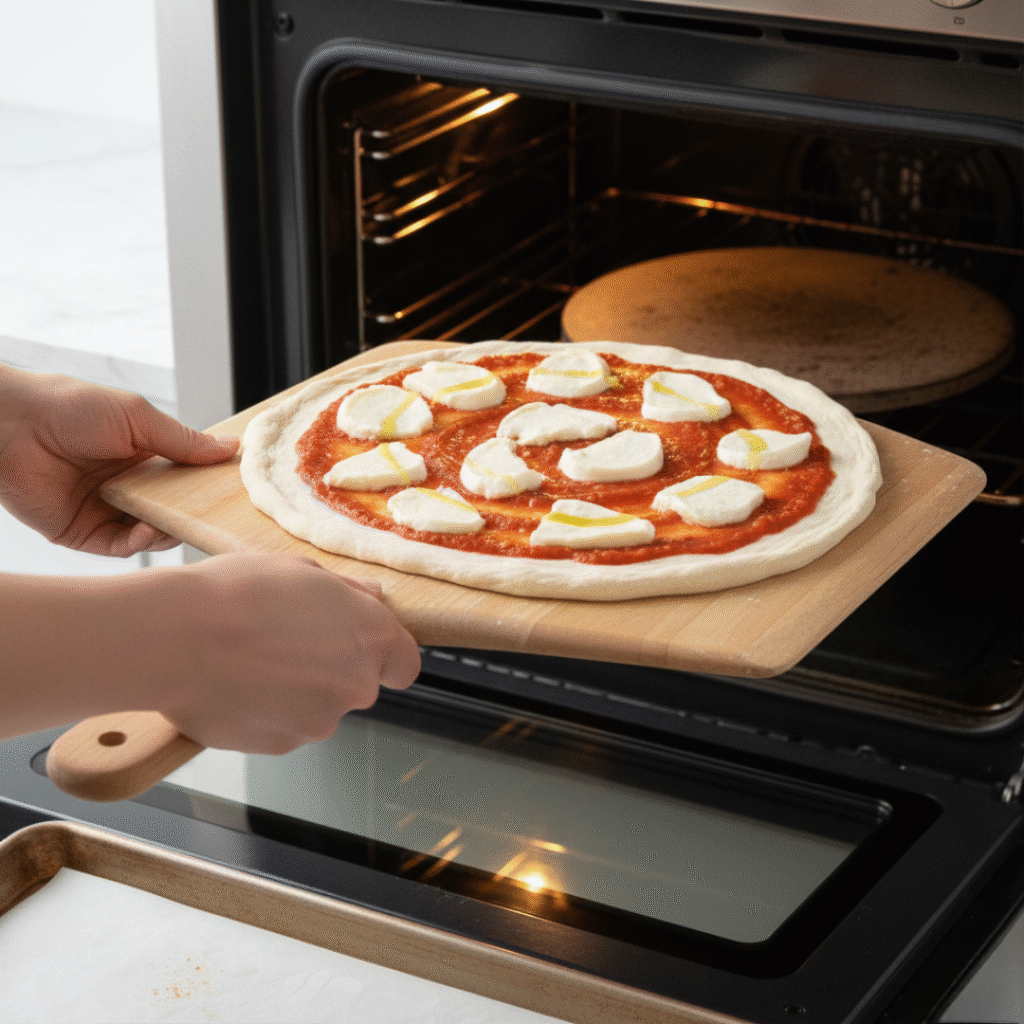
Bake for about 12 to 15 minutes. You’re looking for the crust to be golden brown. The cheese should be melted but not completely brown. There should be some brown spots on the mozzarella but it shouldn’t be dark brown everywhere.
Finish with Fresh Basil
Remove the pizza from the oven. Immediately tear fresh basil and scatter it over the top while the pizza is still hot. The heat will slightly soften the basil but keep it fresh tasting.
Sprinkle a little coarse salt and black pepper on top if you want. Drizzle a tiny bit more olive oil if you want.
Serve It Right
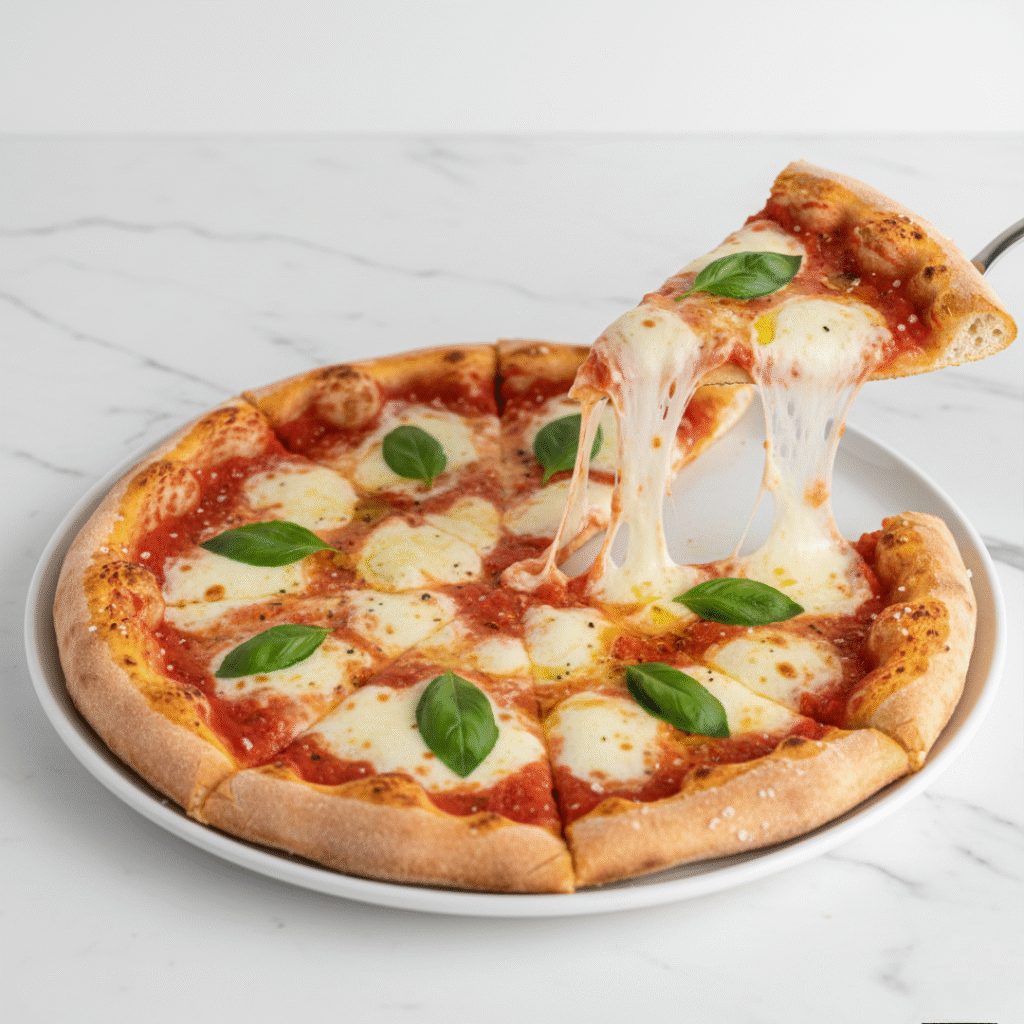
Put it on a nice white plate if you’ve got one. That’s what Margherita is meant to look like. Cut it into slices. Serve immediately while it’s hot.
Stuff That Actually Matters
Ingredient quality is everything. Good tomatoes taste like tomatoes. Good mozzarella tastes like mozzarella. Good olive oil tastes like olive oil. You can’t compensate for bad ingredients with technique.
Fresh basil is not optional. Dried basil tastes like nothing. If you don’t have fresh basil, don’t make Margherita. Make a different pizza.
Fresh mozzarella is different from regular mozzarella. Fresh mozzarella is softer and more delicate. It has a different flavor. Don’t substitute regular mozzarella.
Don’t overload your toppings. The whole point of Margherita is restraint. Simple, quality ingredients. Not a ton of stuff.
Room temperature mozzarella melts better than cold mozzarella. Take it out of the fridge about 30 minutes before using it.
Warm water for yeast should be around 110 degrees. You can test it on your wrist like baby formula. Warm but not hot.
Let your dough rise fully. Rushing the rise gives you dense dough. Good dough takes time.
Don’t dock your dough. Don’t poke holes in it. You want to keep the air in the dough. The air creates texture.
Spread sauce gently. Don’t press down hard on the dough. You’re trying to support it, not compress it.
Fresh basil goes on after baking. Not before. Raw basil tastes fresher.
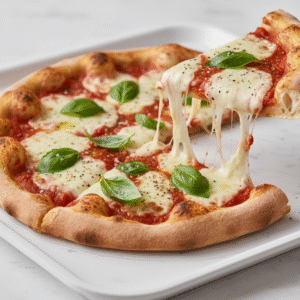
Delicious Pizza Margherita on White Plate: Fresh Tomato & Basil
Equipment
- 2 large mixing bowls
- 1 medium saucepan
- Pizza stone or baking sheet
- Parchment paper
- Measuring cups and spoons
- Wooden spoon
- Damp kitchen towel
- Pizza peel or large spatula
- Pizza cutter or sharp knife
- White plates for serving
- Serving utensils
Ingredients
for Dough (Makes 2 Pizzas):
- 3 cups all-purpose flour
- 1 tsp salt
- 1 tsp instant yeast
- 1 tbsp sugar
- 2 tbsp olive oil plus more for bowl
- 1 cup warm water around 110°F
For Sauce:
- 400 g canned tomatoes or fresh tomatoes
- 2 cloves fresh garlic minced
- 1 tbsp good quality olive oil
- ½ tsp dried oregano
- Salt and pepper to taste
For Topping (Per Pizza):
- 250 g fresh mozzarella
- Fresh basil about 15-20 leaves
- 2 tbsp good quality olive oil for drizzling
- Coarse salt
- Black pepper
INSTRUCTIONS
- 1. Activate Yeast Properly – Pour 1 cup warm water into a bowl. Add 1 tbsp sugar and 1 tsp instant yeast. Stir gently. Let sit for about 5 minutes until foamy. Foaminess means yeast is alive and active. If it doesn't foam, your yeast is dead, start over.
- 2. Mix Dough Base – In a separate large bowl, mix together 3 cups flour and 1 tsp salt. Pour the foamy yeast mixture into the flour. Add 2 tbsp olive oil. Mix everything together with a wooden spoon until it comes together into a shaggy, rough dough. Don't worry if it looks messy at this point.
- 3. Knead Dough Thoroughly – Transfer dough onto a clean counter surface. Knead for 8 to 10 minutes using your hands. Push the dough away with the heel of your hand, fold it back, rotate, and repeat. You're developing gluten which creates structure. The dough should gradually go from rough and shaggy to smooth and elastic. When you poke it lightly, it should spring back.
- 4. First Rise – Oil a large bowl. Place your kneaded dough into it, turning once to coat all sides with oil. Cover bowl with a damp kitchen towel. Let rise at room temperature for 2 hours until roughly doubled in size. Or refrigerate overnight for better flavor and easier handling. Cold rises develop deeper, more complex flavor.
- 5. Make Tomato Sauce – While dough rises, heat 1 tbsp olive oil in a saucepan over medium heat. Add 2 minced cloves of fresh garlic. Cook for about 1 minute until fragrant and softened. Don't let it brown or turn dark. Pour in 400g canned tomatoes or chopped fresh tomatoes. Add 1/2 tsp dried oregano, salt, and pepper. Let simmer for 15 to 20 minutes, stirring occasionally. Sauce should reduce slightly and flavors should come together. Taste and adjust seasonings.
- 6. Prep Ingredients Before Shaping – While sauce cooks, prepare all your toppings. Tear fresh basil leaves by hand into rough pieces. Don't chop. Tearing is gentler and keeps leaves fresher. Remove fresh mozzarella from refrigerator and let sit at room temperature for 30 minutes. Cold mozzarella won't melt properly. Tear mozzarella into chunks. Have olive oil, salt, and pepper ready in bowls.
- 7. Preheat Oven and Stone – Preheat oven to 475°F. If using a pizza stone, place it in oven now so it heats for at least 30 minutes. If using baking sheet, you can preheat the sheet or just use it room temperature.
- 8. Shape First Dough Ball – Remove risen dough from bowl. Take about half the dough for one pizza. Gently work it on a clean, lightly floured counter without punching it down aggressively. You want to keep air bubbles in the dough. Stretch gently from center outward. Push with your fingers and gently pull to shape into rough circle. Aim for about 12 to 14 inches diameter. Rustic shape is fine.
- 9. Transfer to Baking Surface – If using pizza stone, place shaped dough on parchment paper. Use this parchment to transfer to the hot stone. If using baking sheet, place dough directly on sheet. Keep the parchment under the dough while cooking to help transfer.
- 10. Sauce Your Pizza Evenly – Spoon about 1/2 cup of your tomato sauce onto the dough. Use back of a spoon to gently spread sauce in circular motions. Cover most of the dough but leave about 1 inch border around edges. Sauce should cover evenly but you should still see dough underneath in places.
- 11. Add Fresh Mozzarella – Tear your fresh mozzarella into roughly equal pieces. Distribute pieces evenly across the sauce. Don't cover completely. You want to see sauce through the cheese. Mozzarella pieces should stay somewhat distinct, not be spread out like shredded cheese.
- 12. Drizzle Oil and Bake – Drizzle about 1 tbsp good olive oil over the top of the pizza. This helps the crust get crispy and adds flavor. Carefully place pizza in preheated 475°F oven. If using stone with parchment, slide pizza and parchment onto stone. After about 2 minutes, use a pizza peel to carefully slide pizza off parchment directly onto the stone so bottom crust can crisp.
- 13. Monitor Baking Process – Bake for 12 to 15 minutes total. Watch through oven window. Crust should gradually turn golden brown. Cheese should melt with some brown spots appearing. Edges should become crispy and slightly charred. Don't open oven constantly or heat escapes.
- 14. Check for Doneness – Pizza is ready when crust is golden brown on bottom, cheese is melted with some brown spots on top, and edges are crispy. Insert a wooden spatula under the edge to check crust color. Bottom should be brown, not pale.
- 15. Add Fresh Basil After Baking – Remove pizza from oven using pizza peel. Immediately tear fresh basil leaves and scatter over the hot pizza. The residual heat will slightly soften basil but keep it fresh tasting. Sprinkle a little coarse salt and black pepper on top if desired.
- 16. Serve on White Plate – Transfer pizza to a white plate or serving surface. Let cool for 1 minute. Cut into slices using a pizza cutter or sharp knife. Serve immediately while hot. The presentation on a white plate really shows off Margherita.
- 17. Repeat for Second Pizza – Shape remaining dough half and repeat steps 9 through 16 for second pizza. Or save dough for later by wrapping tightly and refrigerating.
Ways to Switch Things Up
Different tomatoes work. San Marzano tomatoes are considered best. Regular canned tomatoes work. Fresh tomatoes in season work. Use burrata instead of regular mozzarella. Burrata is creamier and richer.
Add caramelized onions for sweetness. Add roasted garlic for depth. Use different olive oils. Each oil has different flavor. Add a pinch of red pepper flakes for heat. Use arugula instead of basil for different flavor.
Make white Margherita without sauce. Add prosciutto but only on half the pizza to keep it somewhat traditional. Use buffalo mozzarella instead of regular fresh mozzarella. Add a drizzle of honey at the end for sweet and salty contrast. Use fresh oregano instead of dried.
Make multiple small personal pizzas instead of one large one. Top with microgreens for fancy presentation. Add a fried egg on top if you want breakfast pizza.
Questions People Keep Asking
Why is my mozzarella not melting?
It’s probably cold. Fresh mozzarella needs to be at room temperature. Take it out of the fridge 30 minutes before using. Also make sure your oven is hot enough.
Can I use regular mozzarella?
You technically can but it’s not the same. Fresh mozzarella is what makes Margherita special. If you use regular mozzarella, it becomes just a regular pizza.
What if I don’t have fresh basil?
Don’t make Margherita. Make a different pizza. Dried basil isn’t acceptable here. The basil is too important.
How do I know when my pizza is done?
The crust should be golden brown. The cheese should be melted with some brown spots. The edges should be crispy. Usually 12 to 15 minutes at 475 degrees.
Can I make the dough ahead?
Yeah absolutely. Make it the night before. Refrigerate it overnight. Cold slow rise develops better flavor.
What if my crust is too thick?
Stretch it thinner before baking. Practice helps. You want it about 1/4 inch thick for Margherita.
Why is my basil wilting?
Fresh basil wilts easily. Add it right after baking when the pizza is hot but not actively cooking. The residual heat softens it slightly but keeps it fresh.
Do I need a pizza stone?
Not required but it helps. A preheated stone creates better crust. A baking sheet works too.
Can I freeze the dough?
Yeah. After the first rise, freeze it. Thaw in the fridge before using.
How much sauce should I use?
About 1/2 cup per 12-inch pizza. Enough to cover most of the dough but not so much that it’s soggy.
Why is my pizza too salty?
You probably salted it too much. Fresh mozzarella already has salt. Canned tomatoes have salt. Go easy on added salt.
Can I use tomato paste instead of sauce?
You could dilute tomato paste with water and make sauce. But fresh tomatoes or canned tomatoes are better.
What if my oven doesn’t get hot enough?
Turn it to the highest setting. Most home ovens max out at 500-550°F which is enough for Margherita.
Should I add oil to the crust?
A little drizzle helps the crust get crispy. But not too much. About 1 tablespoon per pizza.
How to Store Your Pizza Margherita Properly
Making great Pizza Margherita is one thing. Storing it right so you can enjoy leftovers is another. Done properly, you can make one pizza and enjoy it over several days. Done wrong, you end up with stale pizza that tastes sad.
Fresh Pizza Storage
Right after you make your pizza, let it cool for a few minutes on the counter. Don’t immediately throw it in the fridge while it’s steaming hot. The condensation that forms makes the crust soggy. Let it cool to room temperature first. This usually takes about 15 to 20 minutes.
If you’re eating it the same day, you can keep it on the counter covered loosely for up to 2 to 3 hours. Cover it with a clean kitchen towel or loose aluminum foil. You want air to circulate so it doesn’t get too moist but you also want to keep dust and bugs off.
Refrigerator Storage
For storing pizza longer, put it in an airtight container or wrap it tightly with plastic wrap. Put parchment paper between the slices so they don’t stick together. This makes reheating individual slices way easier.
Pizza Margherita keeps in the fridge for about 3 to 4 days. The quality goes down as time goes on but it’s still edible for a few days. The crust gets a bit tougher. The cheese gets a bit tougher. The basil should be added fresh after reheating, not kept on the pizza while storing.
Actually, if you’re keeping it for more than a day, remove any fresh basil before storing. Fresh basil gets black and sad in the fridge. Add fresh basil right after you reheat the pizza. This keeps the basil tasting fresh and bright.

Freezer Storage
You can freeze Pizza Margherita for up to 3 months. Wrap each slice individually in plastic wrap then put them in a freezer bag. Label the bag with the date.
Frozen pizza tastes pretty good when reheated properly. It’s not as good as fresh but it’s still solidly edible. The crust stays decent. The cheese stays melty. Just add fresh basil after reheating.
Thaw frozen pizza in the refrigerator overnight before reheating. Or you can reheat straight from frozen, just add a few extra minutes to the heating time.
Best Reheating Methods
The best way to reheat Pizza Margherita is in a regular oven. Preheat to 350°F. Place the pizza slice on a baking sheet. Heat for 10 to 12 minutes. The crust will get crispy again. The cheese will melt properly. It’s basically like eating fresh pizza.
You can also reheat in a skillet on the stovetop. Put a pizza slice in a skillet over medium heat. Cook for 2 to 3 minutes until the bottom gets crispy. Cover with a lid. Cook for another 1 to 2 minutes so the cheese melts and the basil slightly wilts. This method works great and the crust gets really crispy.
Microwave reheating works if you’re desperate but it’s not ideal. The crust gets chewy and soft instead of crispy. If you do microwave, use 30 to 45 seconds per slice. Just enough to heat through without ruining the texture. After microwaving, put it in a hot skillet for 30 seconds to re-crisp the bottom.
Never microwave with basil on the pizza. The basil gets black and tastes weird. Always add fresh basil after reheating.
Storing Dough and Sauce Separately
If you want to store components separately, that works great for making fresh pizzas later.
Pizza dough stores beautifully in the refrigerator. Put your risen dough in an oiled container or wrap it tightly in plastic wrap. It keeps for 3 to 5 days. In fact, cold dough develops better flavor than fresh dough. So refrigerating it overnight and using it the next day actually improves your pizza.
You can also freeze pizza dough. Wrap it tightly in plastic wrap then put it in a freezer bag. It keeps for up to 3 months. Thaw overnight in the refrigerator or at room temperature for 2 to 3 hours. The dough actually tastes even better after being frozen.
Tomato sauce stores well too. Keep it in an airtight container in the fridge for 4 to 5 days. Or freeze it in portions. You can freeze sauce in ice cube trays then pop the cubes into a freezer bag. This gives you perfectly portioned sauce for making pizzas later. Frozen sauce keeps for up to 3 months.
Fresh Mozzarella Storage
Fresh mozzarella is different from other cheeses. It doesn’t keep as long. If you buy it in brine, keep it in the original liquid. Change the water every 2 to 3 days if you’re keeping it longer than a week.
Once you open fresh mozzarella, use it within 2 to 3 days. If it starts to smell sour or tastes weird, throw it away. Don’t try to salvage it.
Never freeze fresh mozzarella. Freezing changes the texture and makes it grainy when it thaws. Fresh mozzarella needs to stay fresh.
Fresh Basil Storage
Fresh basil is delicate and doesn’t keep long. The best way to store it is like cut flowers. Put the stems in a glass of water. Cover the leaves loosely with a plastic bag. Keep it at room temperature away from direct sunlight.
Stored this way, basil keeps for about 1 to 2 weeks. Check it daily and remove any leaves that start to blacken. If water gets cloudy, change it.
You can also freeze basil but only if you’re okay with it being for cooking use. Chop fresh basil and freeze it in olive oil in ice cube trays. Once frozen, pop the cubes into freezer bags. These last for up to 3 months. Use them in sauces and cooking. Don’t use frozen basil as a fresh garnish because the texture changes.
Tips for Best Storage
Keep pizza completely cool before refrigerating. Hot pizza releases steam that makes everything soggy.
Use parchment paper between slices. This prevents them from sticking and makes reheating individual slices super easy.
Store pizza away from strongly flavored foods. Pizza picks up odors easily.
Don’t store pizza in the back of the fridge where it freezes. The coldest part of the fridge can actually partially freeze pizza which damages the texture.
If you’re storing dough, make sure it’s in an airtight container so it doesn’t dry out.
If you’re making multiple pizzas, you can prep dough balls, wrap them individually, and refrigerate or freeze them. This lets you make fresh pizza whenever you want.
Actually, the best practice for Pizza Margherita is to make it fresh and eat it fresh. But if you need to store it, do it properly and you can enjoy it for a few days. Just remember to add fresh basil after reheating. That’s the key to making reheated Margherita taste closer to fresh.
Why You Should Make This
Pizza Margherita at home is totally achievable. It looks fancy but it’s actually pretty straightforward once you understand the basics.
This is the kind of pizza that makes you feel confident in the kitchen. You make it and it looks beautiful on a plate. People see that and they think you’re a serious cook.
The discipline of making Margherita teaches you about respecting ingredients. When you only have four main components, they all have to be good. That lesson applies to way more than just pizza.
This is also the kind of pizza that’s fun to share. It looks good. It tastes good. Everyone enjoys eating it.
Leave a Comment